
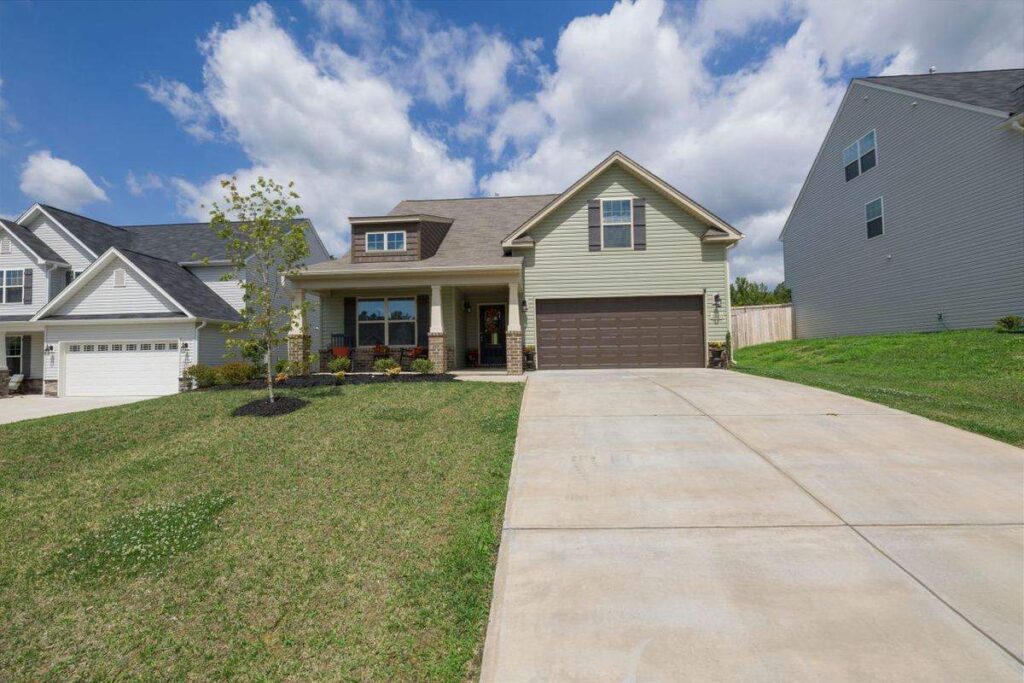
So how much does a concrete driveway cost in 2026? In the Bay Area, a plain gray broom-finish driveway typically runs $12 to $18 per square foot installed — roughly $7,000 to $11,000 for a standard two-car driveway on a flat, accessible lot. Decorative finishes push that to $18 to $30 per square foot. A full tear-out-and-repour of an existing driveway lands somewhere between $9,000 and $15,000, once demolition and haul-off join the bid.
Those numbers run higher than the $6-to-$12 figure national cost guides quote, and the gap is not padding. It is labor, disposal, clay soil, and city permits — line items that exist on real Bay Area driveways and nowhere in a national average. This breakdown walks through where every dollar goes. It covers the per-square-foot ladder, what demolition really adds, why base prep matters more than the concrete itself, and what a too-low bid usually leaves out.
Key Takeaways Before You Price a Driveway
- The installed ladder: plain gray broom finish $12–$18 per square foot, colored or textured $16–$24, stamped or exposed aggregate $18–$30 — a two-car driveway runs $7,000–$11,000 in plain gray.
- Replacement adds $2–$7 per square foot for demolition and haul-off, and nobody knows how much reinforcement is in the old slab until it is opened.
- Base prep is the project on Bay Area clay: 4 to 6 inches of compacted Class II aggregate base is the difference between a 35-year driveway and one that cracks in three.
- The apron belongs to the city: the strip between sidewalk and street sits in the public right-of-way and usually needs an encroachment permit — skipping it can force a tear-out.
- Cure time is non-negotiable: keep cars off the new slab for about 7 days; full design strength takes 28.
What This Guide Covers
- What a Concrete Driveway Costs per Square Foot in the Bay Area.
- Why the National Average Falls Apart on a Bay Area Lot.
- What Tearing Out the Old Driveway Adds to the Bid.
- Base Prep on Expansive Clay Decides Whether the Slab Lasts.
- Slab Thickness, Reinforcement, and Joint Layout Move the Bid.
- The Apron Permit Most Cost Guides Never Mention.
- Asphalt vs. Concrete in a Climate Without Freeze-Thaw.
- How to Read a Concrete Driveway Bid Before You Sign It.
- FAQs.
What a Concrete Driveway Costs per Square Foot in the Bay Area
The honest way to price a driveway is per square foot, fully installed. That one number covers forms, base, reinforcement, concrete, finishing, and cleanup. Here is the ladder Bay Area bids follow in 2026, and what each step up actually buys you.
Plain Gray Broom Finish as the Workhorse Standard
What Plain Gray Costs per Foot
Plain gray broom finish runs roughly $12 to $18 per square foot installed in the Bay Area — about $7,000 to $11,000 for a standard 400-to-600-square-foot two-car driveway. That installed figure covers the whole job, from forms and base through reinforcement, pour, finishing, and cleanup. Nothing should be waiting to appear at the bottom of the bid.
What the Standard Pour Includes
The standard pour is a 4-inch slab of 3,000-to-4,000-psi concrete over compacted aggregate base. Wire mesh or rebar goes inside, and control joints get cut on a proper grid. The broom texture is dragged across the surface before the concrete sets, leaving traction underfoot in winter rain. It is a finish that handles daily driving for decades without asking for anything.
What Moves a Plain Gray Bid
Lot access, slab thickness, and grading do most of the moving inside that range. A site where the mixer can back straight up to the forms stays near the low end. A narrow lot that forces a pump truck or wheelbarrow pour pushes the number toward the top. So does a sloped yard that needs cut-and-fill before the forms go up.
Colored or Textured Concrete That Hides Tire Marks
What Colored Concrete Costs per Foot
Colored or textured concrete runs roughly $16 to $24 per square foot installed — about $8,000 to $14,000 on a typical two-car driveway. The premium over plain gray buys the pigment in the mix and the extra passes at the finishing stage, not a different grade of concrete.
How Integral Color Works
Integral color is mixed into the truck. It costs more than a surface dusting, but it never wears off. It is usually paired with a light texture, which is the sweet spot for most homes. That combination also hides tire marks noticeably better than plain gray.
Where the Color Premium Comes From
Integral color costs more than a surface-applied treatment, because every yard in the truck carries the pigment. But it also can’t wear off or chip the way a topical color can. The rest of the premium is finishing labor. Texture work happens while the concrete is setting, so every extra pass adds crew time at the most time-critical stage of the pour.
Stamped or Exposed Aggregate at the Top of the Ladder
What Stamped and Aggregate Finishes Cost
Stamped and exposed aggregate finishes run roughly $18 to $30 per square foot installed — about $9,000 to $18,000 for a two-car driveway. That is the top of the residential ladder. The spread inside that range mostly tracks pattern complexity and how much hand finishing the design demands.
Why Finishing Labor Sets the Price
The material cost barely changes from plain gray — the labor is what you are buying. Stamping is a race against the set time, and it takes a full, experienced crew. Exposed aggregate needs a wash-and-seal cycle that adds days to the schedule.
The Resealing Cost Low Bids Omit
You will also need to budget for resealing every few years, which is what keeps the color and texture from fading under tires and sun. It rarely appears in the install quote, so plan for it up front. Ask who pays for the first reseal. The sealer, not the stamp, is what keeps either finish looking right over time.
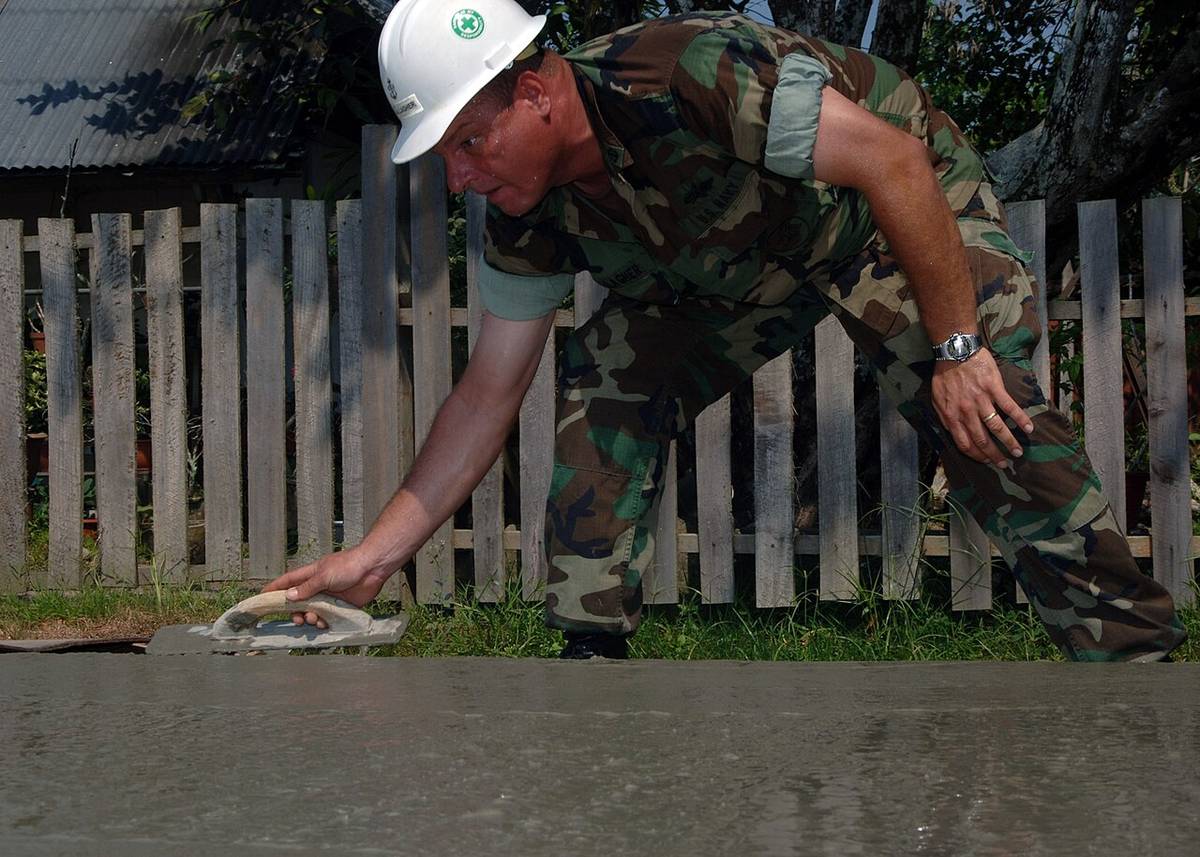
Multiply by real sizes and the totals get concrete fast. A single-car driveway (roughly 200–300 square feet) starts around $3,000–$5,500 plain. A two-car (400–600 square feet) runs $7,000–$11,000. A long or extra-wide driveway scales almost linearly. There are few economies of scale in flatwork, because labor, not material, drives the bid.
Why the National Average Falls Apart on a Bay Area Lot
Most cost guides ranking for this question quote a national average of $6 to $12 per square foot. For much of the country, that is fair. Here it is not, for reasons that show up as line items, not markup.
Labor is the big one. A finishing crew’s hourly cost in Alameda or Santa Clara County runs well above the national figure those guides average against. Flatwork itself is roughly 40 percent labor. Ready-mix concrete also prices higher out of local batch plants, and short-load fees hit small residential pours hardest.
Then there is disposal. Old slab has to be trucked somewhere, and dump fees here are among the steepest in the country. Recycled concrete tips cheaper per ton than landfill, but either way, someone has to load it, haul it, and pay at the gate.
Access finishes the job. A wheelbarrow pour on a narrow San Francisco or Berkeley lot. A pump truck, because the mixer cannot reach. A hillside that needs cut-and-fill before forms ever go up. None of that exists in a national average. All of it exists on real driveways here.
What Tearing Out the Old Driveway Adds to the Bid
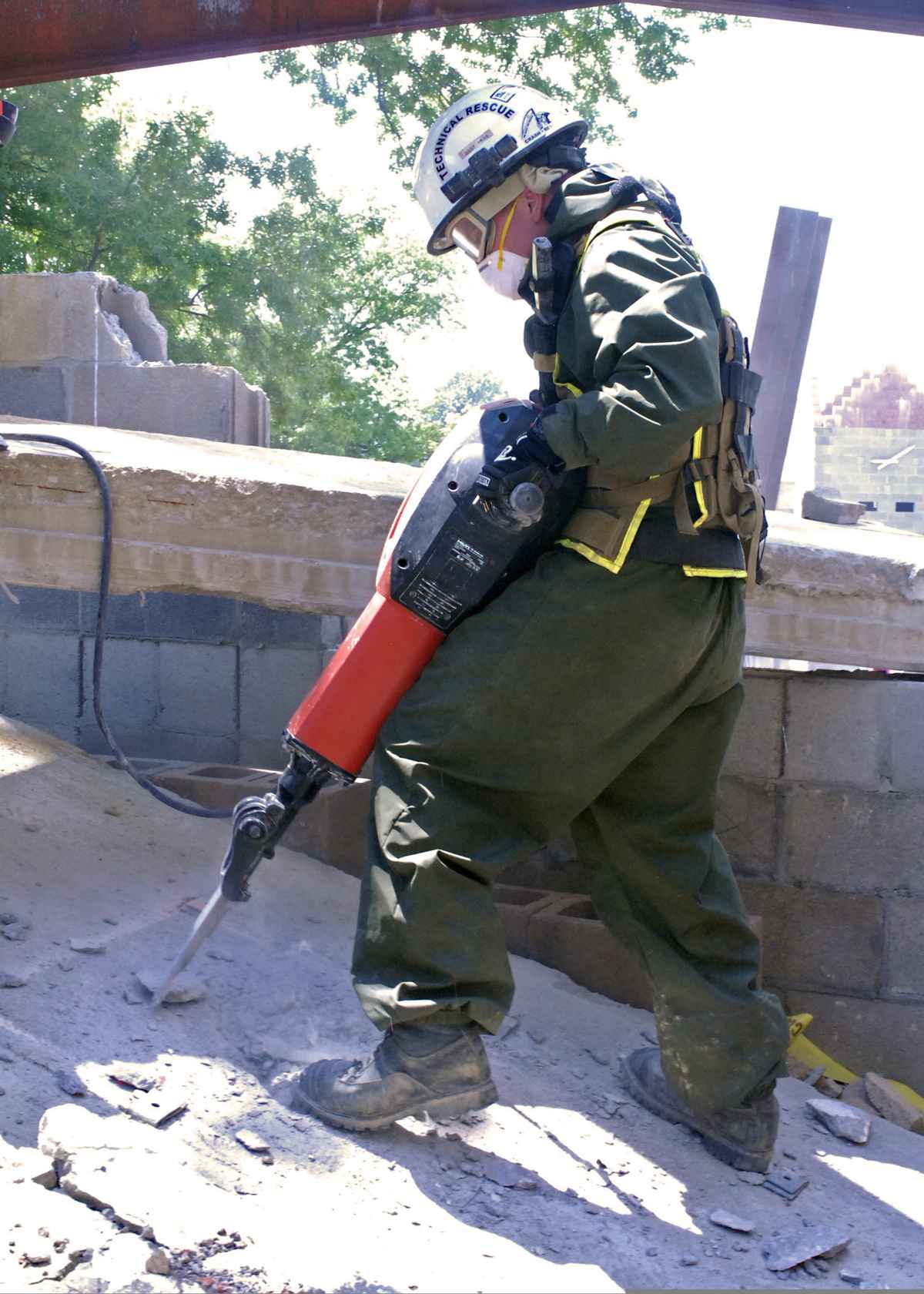
A replacement is a different project than a new pour, and the difference is demolition. Breaking, loading, and hauling old concrete typically runs $2 to $7 per square foot on top of the new work. The low end applies to a thin, unreinforced slab with easy truck access. The high end applies to thick, rebar-laced concrete on a tight lot.
Reinforcement is the multiplier most homeowners don’t see coming. Rebar and wire mesh have to be cut and separated as the slab comes apart. That can add 30 to 50 percent to demolition time, and you won’t know what’s in the slab until it’s opened. That is exactly why a good bid states its demolition assumption in writing.
There is an upside worth asking about. Crushed concrete is recyclable, and local recyclers charge meaningfully less per ton than landfills. A contractor who recycles the rubble and passes the difference through saves you real money on a big tear-out.
Base Prep on Expansive Clay Decides Whether the Slab Lasts
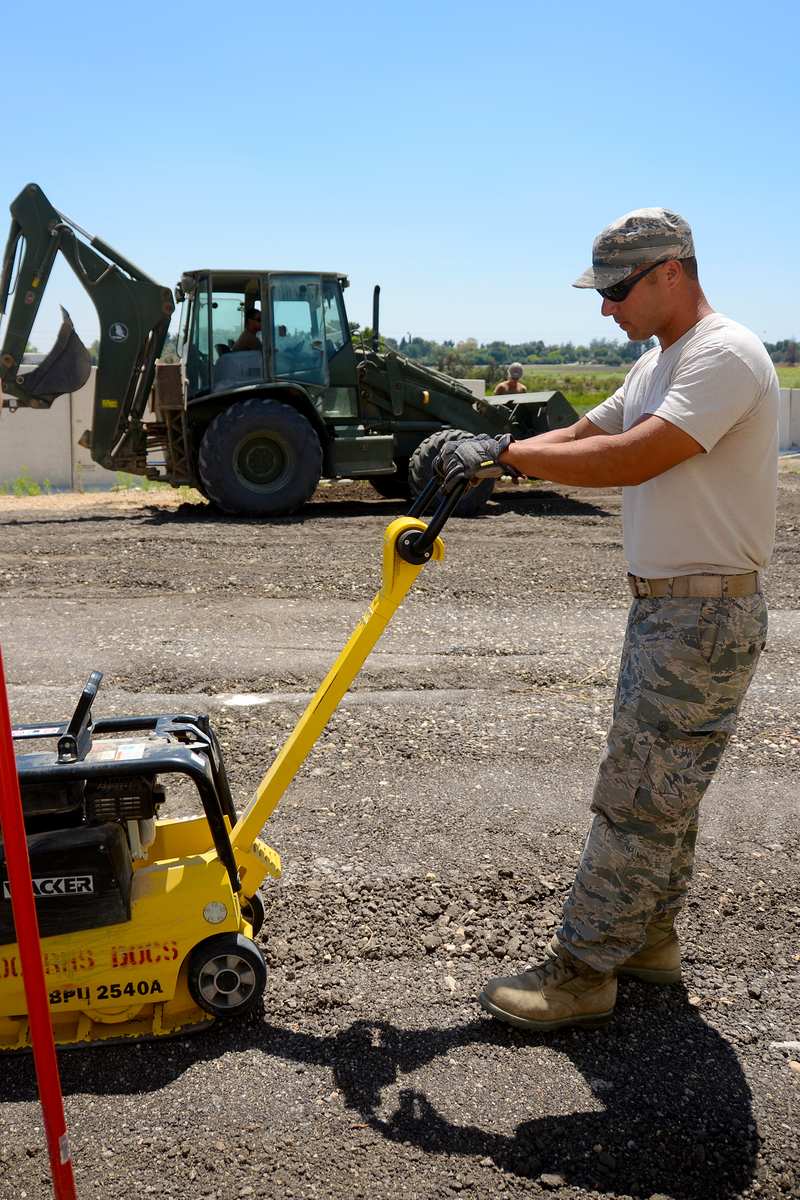
Much of the East Bay and South Bay sits on expansive clay — adobe soil that swells with winter rain and shrinks hard through the dry summer. Pour a slab directly on it and the ground moves under the concrete twice a year, every year. The slab cracks not because the concrete was bad, but because the base was never there.
Done right, base prep on clay looks like this. Excavate to grade, compact the native soil, then place and compact 4 to 6 inches of Class II aggregate base in lifts. That gravel layer spreads loads. Just as important, it also drains water away from the clay so it swells less in the first place. On paper it is the boring line item. In practice it is the difference between a driveway that lasts 35 years and one that cracks in three.
Sloped lots raise the stakes again. Hillside driveways in the Oakland or Berkeley hills often need real grading, retaining at the edges, and drainage. That can mean a cutoff drain at the top of the slope, or a trench drain at the garage so winter runoff doesn’t sheet under the door. Expect grading and drainage to add anywhere from a few thousand dollars to well beyond, depending on the slope. If the driveway ties into a larger yard regrade, plan both at once. Our landscaping and outdoor design team handles driveways as part of whole-lot drainage for exactly this reason.
Slab Thickness, Reinforcement, and Joint Layout Move the Bid
Three specs on the bid decide how the slab behaves for the next thirty years, and each one moves the number. They are also where thin bids quietly save their money, so they are worth reading closely.
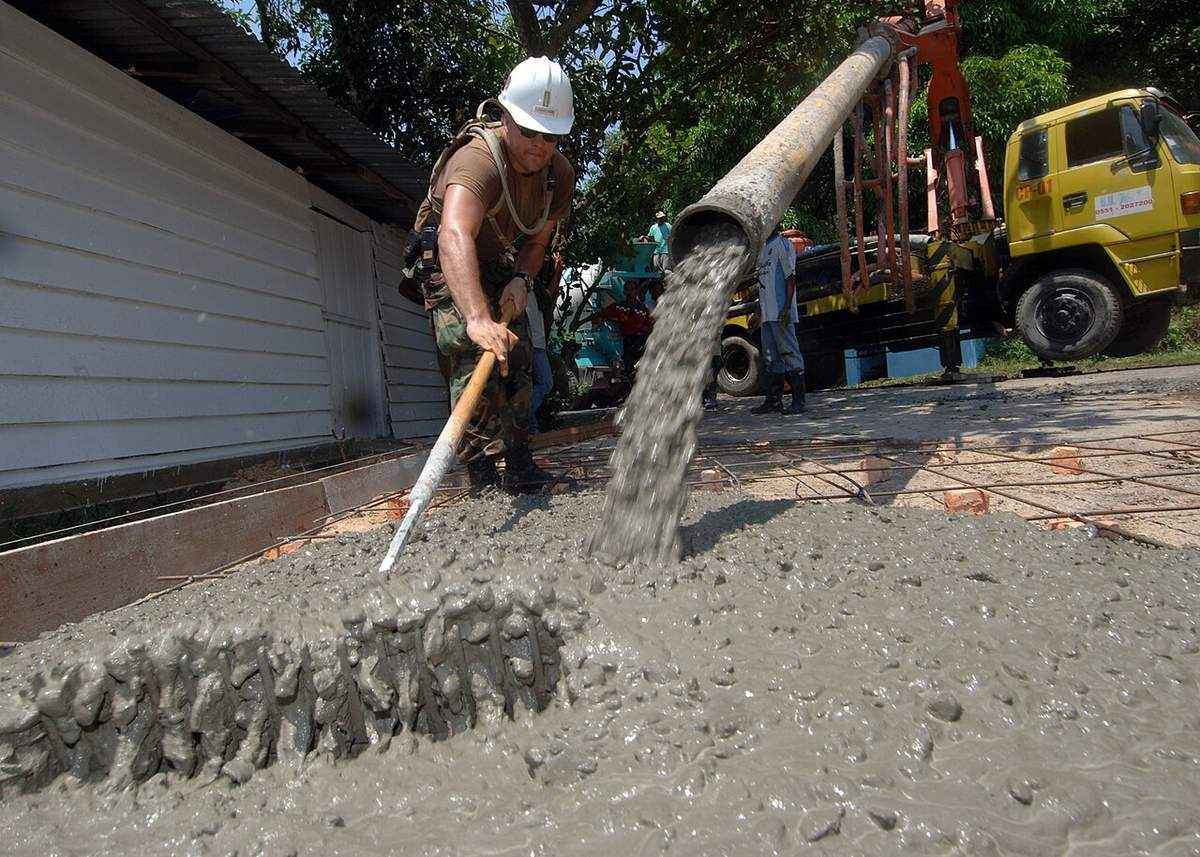
How Thick the Slab Needs to Be for What You Park
The Standard 4-Inch Residential Slab
The residential standard is a 4-inch slab of 3,000-to-4,000-psi concrete. It handles cars and SUVs for decades when the base under it is right. Thickness only answers the load question, though. A thicker slab over a poor base still cracks, which is why this line and the base-prep line have to be read together.
When Heavy Loads Demand 6 Inches
Park anything truly heavy — an RV, a boat trailer, regular delivery or work trucks — and the spec moves to 5 or 6 inches, with reinforcement upgraded to match. Concentrated wheel loads are what break a 4-inch slab. So the upgrade decision comes down to what parks on the driveway, not how many cars roll over it.
What Going Thicker Adds to the Bid
Going from 4 to 6 inches means 50 percent more concrete and heavier reinforcement, which typically shows up as a few extra dollars per square foot. That is cheap insurance if the heavy loads are real, and wasted money if they are not. So answer the parking question honestly before paying for it.
Reinforcement That Earns Its Keep on Clay Soil
Where Mesh Ends and Rebar Begins
Welded wire mesh is the standard reinforcement in a 4-inch residential slab, with half-inch rebar on an 18-inch grid taking over at 5 inches and up. The steel doesn’t stop the ground from moving. It holds the slab together and in plane when movement happens, so any crack stays hairline-tight instead of widening into a step.
Why Clay Movement Makes Steel Non-Negotiable
In our market, reinforcement earns its keep less against freeze-thaw — we don’t have it. It earns its keep more against the clay movement described above. That movement swells the ground under the slab every winter and shrinks it every summer. That twice-a-year cycle is why we treat reinforcement as non-negotiable even on thin slabs.
Control Joints That Decide Where the Concrete Cracks
How Deep and Far Apart Joints Go
The standard calls for joints cut to about a quarter of the slab’s depth, spaced roughly 8 to 12 feet apart on a 4-inch slab. They’re typically sawed within a day of the pour. That is late enough for the blade to cut cleanly, and early enough to get ahead of the shrinkage cracking they exist to control.
Why Joints Decide Where Cracks Land
Concrete shrinks as it cures, and it will crack somewhere — the joints decide where. A slab jointed on a proper grid cracks along the bottom of the saw cuts, out of sight. Without that grid, it cracks by wandering across the middle of a panel, in full view of the street.
When a Bid Ignores Joint Layout
A proposal that says nothing about joint layout is a proposal that hasn’t thought about it. Specifying joint spacing costs a contractor nothing. Its absence usually means the crew will saw wherever is fastest on pour day. The slab wears that decision for the next thirty years.
The Apron Permit Most Cost Guides Never Mention
Here is the permit reality most cost guides skip. The driveway on your property is often exempt from a building permit. But the apron — the section between the sidewalk and the street — sits in the public right-of-way. Touching it requires an encroachment permit in most Bay Area cities.
San Jose requires an encroachment permit before a new driveway approach or curb cut goes in, with ADA-compliant sidewalk crossings. The city’s driveway and sidewalk permit rules spell out what triggers one. Oakland routes curb, gutter, and sidewalk work through its own approval process. Rules, fees, and inspection requirements differ city by city. That is one reason two bids on the same driveway can carry different permit line items.
This matters for cost in two directions. The permit itself, plus city inspection and any required sidewalk repair at the tie-in, adds real money to a replacement. Skipping it can cost far more, since cities can require unpermitted right-of-way work to be torn out and redone. Several cities also require the right-of-way work to be done by a licensed contractor with a bond on file, not a homeowner.
As a licensed, bonded, and insured general contractor, Top Tier carries CSLB License #1146790, which you can verify online. We pull these permits routinely, pricing them into the bid up front. If a bid doesn’t mention the apron at all, ask why. HOAs and property managers often juggle shared driveways and sidewalk tie-ins across multiple units. Our HOA and property management services handle the permitting and phasing as one scope for cases like that.
Asphalt vs. Concrete in a Climate Without Freeze-Thaw
Every homeowner runs this comparison at least once: asphalt installs for roughly $4 to $7 per square foot nationally. That is 30 to 40 percent cheaper than concrete, up front. So why does concrete dominate residential driveways around here?
Lifespan does most of the work. Asphalt lasts 15 to 30 years with diligent sealcoating every 3 to 5 years at a few hundred dollars per cycle. Concrete runs 30 to 40 years with almost no required maintenance. And the freeze-thaw cycles that crack concrete in cold states — the main argument for asphalt — don’t really exist here. Our mild climate quietly removes concrete’s biggest weakness. But it keeps asphalt’s: the material softens in heat and never stops needing sealcoat.
There is also a practical market problem. Residential asphalt crews are scarce in this region. Hot-mix plants and paving contractors here are built around roadwork and commercial lots. So small driveway jobs either get declined, or they carry mobilization premiums that erase the material savings.
How to Read a Concrete Driveway Bid Before You Sign It
Everything above collapses into one skill: reading the bid. Concrete work is unforgiving of shortcuts precisely because the shortcuts are buried — under the slab, inside it, or at city hall. A first-time buyer comparing two numbers on price alone is exactly the person the thin bid is written for. Before signing, make sure the bid states all six of these in writing.
- Demolition and disposal, with the assumption named. Square footage, expected thickness, whether reinforcement is assumed, and where the rubble goes. “Demo included” with no detail is where change orders are born.
- Base depth and compaction. You want a specified depth of Class II aggregate base, compacted — not “grade and prep.” On clay soil this line is the project.
- Slab thickness, mix strength, and reinforcement. Four inches and 3,000+ psi with mesh or rebar, minimum. If you park heavy vehicles, look for the 5-to-6-inch upgrade.
- Joint layout and finish. Control-joint spacing, the finish you chose, and — for stamped or colored work — the sealer and who pays for the first reseal.
- Permits and the apron. Who pulls the encroachment permit, who meets the city inspector, and whether sidewalk tie-in work is included.
- Cure protection. Nobody drives on the new slab for about 7 days; full design strength takes 28. A crew that lets cars on early is undoing its own work.
For a broader checklist before you sign anything, CSLB’s own guide to hiring a contractor covers what to ask beyond the driveway itself.
A bid that covers all six is almost never the cheapest one you receive. It is usually the cheapest one you actually pay, because everything the low bid left out still has to happen — at change-order prices, after your negotiating power is gone.
FAQs
How much does a 24×24 concrete driveway cost?
A 24-by-24-foot driveway is 576 square feet. In the Bay Area, that is roughly $7,000 to $10,500 for a plain new pour, and about $9,000 to $14,500 as a full replacement once demolition and haul-off are included. Decorative finishes can push it past $17,000.
How thick should a concrete driveway be?
Four inches of 3,000-to-4,000-psi concrete is the residential standard and handles cars and SUVs for decades. Move to 5 or 6 inches with heavier reinforcement if you park an RV, a boat trailer, or regular work trucks — that means about 50 percent more concrete and a few extra dollars per square foot.
How long does a concrete driveway last?
A properly built concrete driveway lasts 30 to 40 years — often longer in the Bay Area’s mild climate, since there is no freeze-thaw stress. The base preparation and joint layout matter more to that lifespan than the concrete brand does.
How soon can you drive on a new concrete driveway?
Keep cars off for about 7 days; concrete reaches full design strength at roughly 28 days. Foot traffic is fine after 24 to 48 hours. Driving early is one of the most common ways a brand-new driveway gets damaged.
Is asphalt cheaper than a concrete driveway?
Upfront, yes — asphalt installs 30 to 40 percent cheaper. Over 30 years it usually is not, because asphalt needs sealcoating every 3 to 5 years and replacement decades sooner. Locally, scarce residential paving crews narrow even the upfront gap.
Do you need a permit to replace a concrete driveway?
Often not for the slab on your own property, but the apron, curb cut, or any sidewalk work sits in the public right-of-way and typically requires an encroachment permit. Rules vary by city — Oakland and San Jose both regulate this work — so confirm before demolition starts.
Price Your Driveway With a Contractor Who Shows the Math
Ranges get you budgeting; a walk-through gets you a price. How much a concrete driveway costs on your lot comes down to the soil, the slope, the old slab, and your city’s rules. A contractor can pin all of that down in a single site visit. Top Tier Building Services Inc. (CSLB License #1146790) will walk the site and explain what your lot actually needs. Then we will hand you an itemized bid you can hold us to — the same six-line standard laid out above. Call 510-470-1870 for a free consultation, or reach out through our concrete and entry finishes service page. You can also contact Top Tier Building Services online to get started.