
A kitchen remodel fails in the paperwork, not the demolition. The demo is the same on every job; what separates a kitchen that lands on budget from one that doubles is what the contract says about allowances, permits, and change orders before the first cabinet comes down. These twelve questions are the ones a licensed general contractor would ask if you were hiring them for someone else’s kitchen — asked before you sign, they expose the scope gaps, the allowance games, and the timeline surprises that hide in most kitchen bids.
Key Takeaways
- Allowances — the budget placeholder lines for cabinets, counters, and tile — are where kitchen budgets quietly double; every allowance needs a written price range and a process for overruns.
- A real kitchen bid names appliances, fixtures, and finishes by model or grade, not by category.
- Permits and Title 24 compliance are the most expensive things a contractor can leave out of a bid — confirm who pulls them and who pays.
- The schedule and the kitchen-outage window belong in the contract, not in a verbal “probably six weeks.”
- One named point of contact and a written change-order rule prevent most mid-project disputes.
- Verify any license number at CSLB before you sign anything.
What This Guide Covers
- Why the Questions Come Before the Contract
- The Price on the Page Is Either a Promise or a Guess
- The Permit Questions That Decide Whether Your Remodel Survives Resale
- Allowances Are Where Kitchen Budgets Quietly Double
- A Spec Sheet That Names Models Is the Only One You Can Hold
- You Live in the House While the Kitchen Gets Rebuilt
- One Named Contact and a Written Warranty Keep the Job Honest
- The Answers That Should Worry You
- How the Best Bay Area Kitchens Get Bid
- Ready to Put These Questions to Work?
- FAQs
Why the Questions Come Before the Contract
A kitchen remodel is the most decision-dense project a homeowner signs. Cabinets, counters, appliances, plumbing, electrical, tile, lighting, and a permit — each line has a budget, a lead time, and a failure mode. A contractor who has answered these questions a hundred times answers them without flinching, in writing. A contractor who improvises is telling you which stage of the project will improvise your budget.
The questions below are organized the way the project actually flows: price structure first, then scope, then permits, then allowances, then the details that decide how it feels to live through the remodel.
The Price on the Page Is Either a Promise or a Guess
Is This a Fixed Price or an Estimate?
What to Ask
Ask plainly whether the number on the page is a fixed, guaranteed price or an estimate that moves, then ask what, specifically, could change it — materials, discovered conditions, or scope changes. Ask the same question twice, once early in the conversation and once after the walkthrough, and compare: a contractor who quotes the same number both times has actually priced your kitchen, while one whose number grows between conversations is pricing your optimism.
Why It Matters
The difference is the difference between a contract and a conversation. An estimate is a starting point; a fixed price is a commitment. Most “budget blowouts” start because the homeowner thought they had a price and the contractor had a guess — and the dispute lands squarely on who said what, with no paper trail either way. A fixed price forces the contractor to have priced every line item, which is exactly the homework you want done before demo day.
What a Good Answer Sounds Like
“This is a fixed price for the scope on the contract. The only things that change it are changes you make to the scope, or conditions we both see and agree to in writing — like opening a wall and finding rot.” That answer names the two and only two legitimate price movers, and it puts both in writing, which is the entire point of the question.
What Is Included, and What Is Not?
What to Ask
Ask for the two lists — everything included in the price and everything explicitly excluded — and read the exclusions first. Then walk the spec sheet line by line and ask what each line actually covers: demolition, haul-away, permit fees, appliance hookups, painting the ceiling, and disposal of old cabinets are the classic omissions.
Why It Matters
The exclusions are where the money hides — demolition, haul-away, permit fees, appliance hookups, painting the ceiling, and disposal of old cabinets. A $60,000 bid with a $6,000 exclusions list is a $66,000 project, and the exclusions line is the only place that math is visible before you sign.
What a Good Answer Sounds Like
“Included: demo, haul-away, permit, all labor, and materials on the spec sheet. Excluded: appliances, countertops beyond the allowance, and any structural work discovered after demo — which we would quote separately before proceeding.”
The Permit Questions That Decide Whether Your Remodel Survives Resale
Who Pulls the Permit, and Who Pays for It?
What to Ask
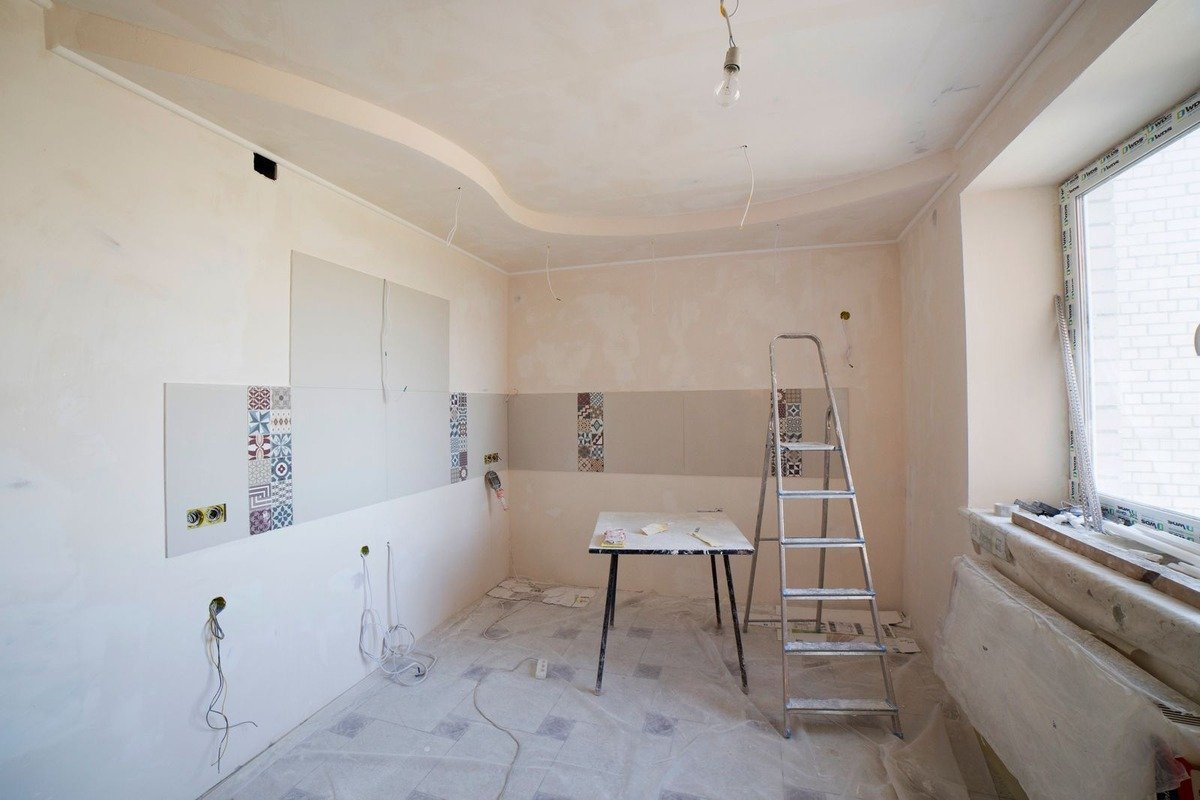
Ask who applies for the permit, who pays the fee, and who schedules the inspections, then ask what the permit actually covers on this project — plumbing, gas, electrical, or all three. In most Bay Area cities a kitchen remodel that moves a sink, a range, or a wall requires a permit and a set of scheduled inspections.
Why It Matters
In most California jurisdictions, moving plumbing, gas, or electrical — which almost every kitchen remodel does — requires a permit and inspections. A contractor who suggests skipping the permit is saving themselves paperwork at your expense; unpermitted work surfaces at resale, insurance claims, and any future renovation.
What a Good Answer Sounds Like
“We pull the permit and the fee is in the contract. Inspections are scheduled at the plumbing, electrical, and final stages, and you get copies of the sign-offs.” A contractor who has done permitted work in your city names the inspection points without being prompted — that fluency is the signal.
Does This Scope Meet Title 24 Requirements?
What to Ask
Ask how the remodel handles California’s Title 24 energy requirements — the lighting controls, ventilation, and insulation rules that apply to kitchen remodels — and ask which specific measures this project includes. Recessed lighting, range hoods, and exterior-wall insulation all carry code requirements that a permitted kitchen must meet.
Why It Matters
Title 24 compliance is baked into permitted kitchen work in California, so it is not optional polish — it is the building code. A contractor who cannot tell you how the lighting, vent hood, and insulation meet current code is a contractor who has not done a permitted Bay Area kitchen recently, and the inspection is where that gap surfaces.
What a Good Answer Sounds Like
“The recessed lights are Title 24 compliant with integrated controls, the range hood vents to the exterior, and the insulation at the exterior walls meets current requirements. It’s all in the spec.” Specific, named measures that are already in the documents beat vague promises that compliance will be handled later.
Allowances Are Where Kitchen Budgets Quietly Double
What Are the Allowances, and What Are They Worth?
What to Ask
Ask for the allowance list — cabinets, counters, tile, fixtures, and anything else chosen later — with the dollar amount of each, the grade it assumes, and what happens if you pick something above or below it. Then ask how allowances are reconciled at the end of the job, and whether you get a credit if you come in under.
Why It Matters
Allowances are the classic kitchen budget trap. A $5,000 counter allowance in a $60,000 kitchen sounds generous until you pick quartz and learn the real number is $9,000. The allowance is not the price; it is the placeholder.
What a Good Answer Sounds Like
“Cabinets: $18,000 allowance at the grade on the spec sheet — upgrades priced before ordering. Counters: $5,500 for the quartz grade quoted. You see the actual selections and sign off before anything is ordered.” That answer pins the allowance to a grade, a price path, and a sign-off point — the three things that keep an allowance from becoming a surprise.
How Do Change Orders Get Priced and Approved?
What to Ask
Ask what happens when you change your mind mid-project — what the change-order process is, who prices it, how quickly you get the number, and whether you approve it in writing before work proceeds. Ask for an example of a recent change order to see the format and the markup in action.
Why It Matters
Without a written change-order rule, mid-project changes get priced after the fact at whatever rate the contractor decides — and you have already lost leverage the moment the wall is open. With one, every change is a written, signed, priced step approved before any work proceeds, which is the only version of a change that does not end in an argument.
What a Good Answer Sounds Like
“Any change is documented, priced, and emailed to you for written approval before we proceed. No verbal ‘sure, we’ll add that.'” The written-before-work rule is the whole game — it means you never approve a price you have not seen.
A Spec Sheet That Names Models Is the Only One You Can Hold
Are the Fixtures Named by Model and Finish?
What to Ask
Ask whether the bid names specific models — the range, refrigerator, sink, faucet, tile, and cabinet line — or refers to them by category. Then ask whether the named models are what gets ordered, or whether they are placeholders that can be swapped at the supplier’s suggestion.
Why It Matters
“Faucet” in a spec sheet can mean $150 or $800. “Tile” can mean $4 a square foot or $18. The difference between a spec that names models and one that names categories is the difference between a budget you can hold and a budget that holds you.
What a Good Answer Sounds Like
“The spec sheet names every fixture and finish by brand and model, with the exact grade of cabinets and counters. What you see on the sheet is what gets ordered.” A named spec is the only kind you can verify, price, and hold the contractor to.
What Is the Timeline, and What Actually Moves It?
What to Ask
Ask for the schedule in writing — start date, key milestones, and completion date — then ask what the three most common causes of delay are on a kitchen like yours, and how lead times for cabinets, counters, and appliances are handled in the plan.
Why It Matters
Cabinet and counter lead times, appliance availability, and inspection scheduling move kitchen timelines more than labor ever does. A contractor who names those honestly is a contractor who has done this before.
What a Good Answer Sounds Like
“Eight weeks from permit to finish is our planning number. Lead time on your cabinet line is three weeks, counters two, and appliances are confirmed in stock before we order. We build float into the schedule for inspections.” Named lead times and built-in float are the difference between a schedule and a hope.
You Live in the House While the Kitchen Gets Rebuilt
How Long Will My Kitchen Be Out of Service?
What to Ask
Ask which weeks the kitchen is genuinely unusable — no sink, no stove, no counter — and what the staged alternatives are, like a temporary cooktop, a utility sink, or keeping one counter alive until cabinets go in. Ask it before you sign, because the answer changes how you plan meals for a month or more.
Why It Matters
The kitchen is the room a household runs on. Knowing whether you lose the kitchen for two weeks or six changes how you plan meals, and a contractor who can stage the work — keeping a sink or a countertop usable as long as possible — is worth real money in takeout and stress avoided.
What a Good Answer Sounds Like
“The kitchen is fully out of service for about four weeks: two for demo and rough-in, two for cabinets, counters, and finishes. We keep a workable sink and a temporary cooktop as long as the layout allows.” A precise outage window with staging details tells you the schedule has actually been thought through.
How Is the Jobsite Protected and Cleaned?
What to Ask
Ask about dust containment, floor protection, daily clean-up, and who covers any damage to the rest of the house — and ask to see it in the contract, not just in the pitch. Demo and drywall work generate dust that migrates through the whole house, and pathways take a beating from material deliveries.
Why It Matters
Demo dust migrates through the whole house — through door gaps, HVAC returns, and under doors — and it lands on furniture, in closets, and in air ducts for years afterward. A contractor with a written dust-containment and daily-clean protocol has done this enough to know the whole house lives through the job, not just the kitchen.
What a Good Answer Sounds Like
“We seal the kitchen with zippered barriers, run a HEPA filter during demo and sanding, protect all pathways, and do a full clean at the end of every day.” Specific protocols with equipment named are the honest version of “we’re very clean.”
One Named Contact and a Written Warranty Keep the Job Honest
Who Is My Point of Contact, and How Do I Reach Them?
What to Ask
Ask for the name of the single person who owns your project — not the salesperson — and their direct line, then ask how often you get updates and in what form. Ask who covers when that person is unavailable, and whether site decisions route through the same contact.
Why It Matters
On a six-to-ten-week project, communication is the difference between a smooth remodel and a stressful one. One named contact with a scheduled update cadence means decisions never stall and questions never vanish.
What a Good Answer Sounds Like
“Your project manager is Sarah, and you have her direct line. You get a written update every Friday, and any question gets an answer within one business day.” A named person with a stated response cadence is the difference between a project and a black box.
What Warranty Covers the Work and the Finishes?
What to Ask
Ask for the warranty in writing — what it covers, how long it runs, and who honors it — then check that the company will actually exist to honor it by verifying the license at the California Contractors State License Board. Ask which parts are labor warranties versus manufacturer warranties, and get both in writing.
Why It Matters
Cabinets, counters, and labor all carry different warranty realities, and “we stand behind our work” is not a warranty. The written version protects you for years — against failing finishes, sagging doors, and workmanship defects — while the verbal version protects you until the crew drives away.
What a Good Answer Sounds Like
“One-year warranty on labor and workmanship, with manufacturer warranties on cabinets and counters passed through to you in writing. Here’s the warranty document.” The contractor who hands you the document has nothing to hide; the one who describes it has something to lose.
The Answers That Should Worry You
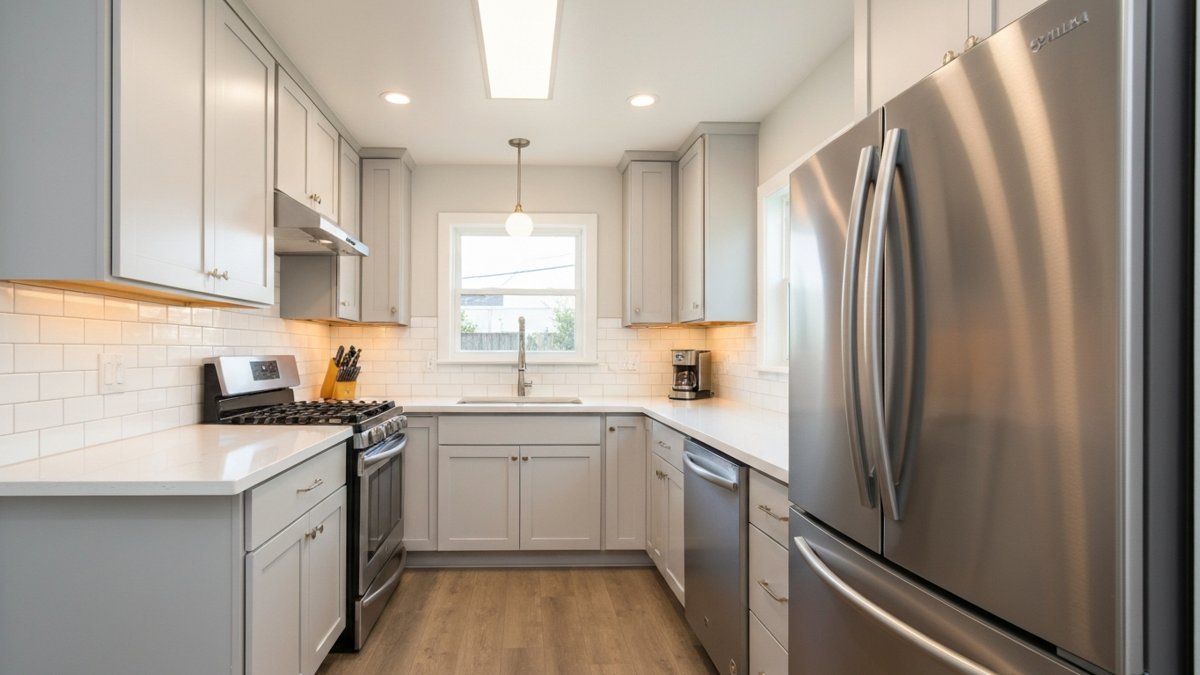
Run the questions, then read the answers against this table.
How the Best Bay Area Kitchens Get Bid
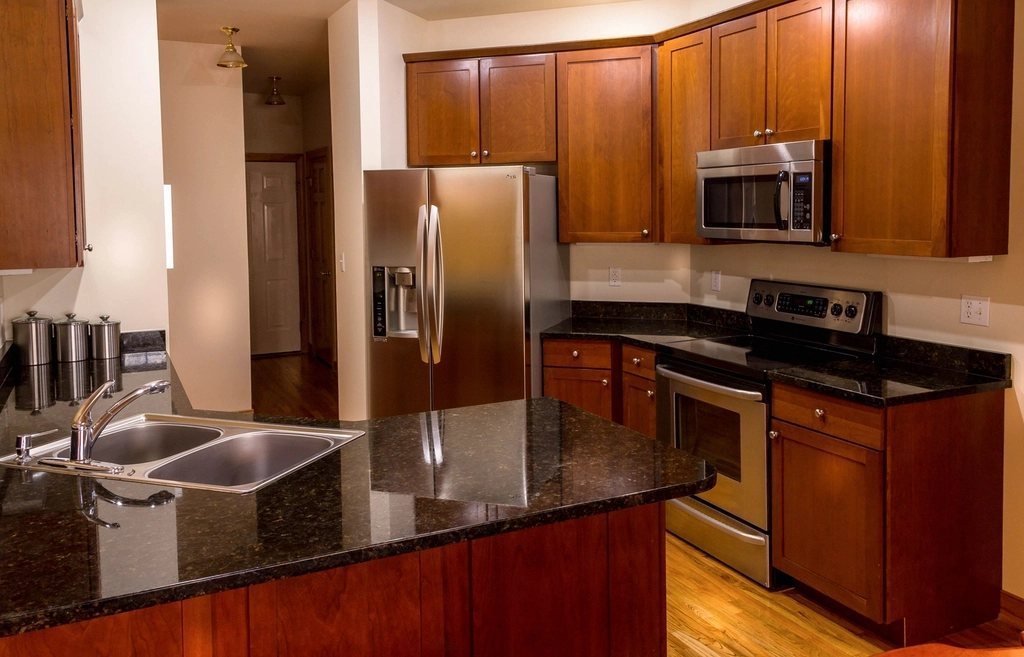
The kitchen remodel market in the Bay Area is competitive and expensive, which means the contractors who survive it are the ones with real systems: written scopes, named specs, permit processes, and project managers. That is exactly what these twelve questions filter for. If a contractor hesitates on the spec sheet, the permit, or the warranty document, that hesitation is the answer.
Beyond the contract, the kitchen itself has its own standards. The National Kitchen and Bath Association publishes the design and workflow guidance most professional kitchen work follows — the work triangle, clearances, and storage planning that separate a kitchen that looks right from one that works right. Asking whether the plan follows NKBA guidelines is a fast, honest signal of design depth.
For the numbers behind the questions, this site’s kitchen library has you covered: what a small kitchen remodel budgets to, how long a kitchen remodel really takes, what painting kitchen cabinets costs instead, and the full cabinet refacing vs painting math. And before you sit down with anyone, run the Before You Remodel Your Kitchen checklist page — it is the same five things a good contractor checks first, in a printable form.
Ready to Put These Questions to Work?
Bring the twelve questions to every kitchen bid you collect — including ours. Top Tier Building Services Inc., CA General Contractor License #1146790, remodels kitchens across the Bay Area with written scopes, named specs, and one project manager from demo to final walkthrough. Start with your kitchen details and get a contract you can actually hold to the number.
FAQs
How much should a kitchen remodel cost in the Bay Area?
A typical Bay Area kitchen remodel runs $40,000 to $90,000+ depending on scope, with smaller cosmetic updates from $20,000. The honest range depends on whether the layout changes, what the cabinets and counters cost, and how much plumbing and electrical moves — which is exactly what the questions above pin down.
Do I need a permit for a kitchen remodel?
Almost always, when the work moves plumbing, gas, or electrical — and most kitchen remodels do. Permit requirements vary by city, but the safe assumption in the Bay Area is: if you move a sink, range, or wall, you need a permit and inspections.
What questions should I ask a kitchen remodeler before hiring?
Start with the twelve in this guide: fixed price vs estimate, included vs excluded, permits, allowances, named specs, timeline, change orders, point of contact, kitchen-outage window, jobsite protection, and warranty. The answers belong in writing.
How long does a kitchen remodel take?
Plan for six to ten weeks for a typical full remodel in the Bay Area, from permit to finish. Cabinet and counter lead times, appliance availability, and inspection scheduling are the real timeline drivers.
What is a kitchen remodel allowance?
An allowance is a budget placeholder in the contract for items chosen later — cabinets, counters, tile, fixtures. It is not the final price; the difference between the allowance and your actual selections is added to or credited from the contract.
Is it cheaper to paint or replace kitchen cabinets?
Painting is by far the cheaper path — roughly $4,000 to $9,000 versus $20,000 to $40,000+ for replacement in the Bay Area — but it only works when the cabinet boxes are sound and the layout is staying. Refacing sits in between at $9,000 to $18,000.