
Most people look up the termite treatment cost at the worst possible time. A report just landed. An escrow clock is ticking. A quote sits on the table, and there is no way to tell if it is fair. So here is the honest picture. Spot treatment for one small drywood colony often runs a few hundred dollars, up to about $2,500. Tenting the whole house usually lands between $2,000 and $4,500 for an average California home. Big or complex homes near the coast can hit $4,000 to $8,000 or more. Work on ground-nesting termites usually falls between $1,500 and $5,000.
Those numbers are only half the story. They are the smaller half, too. Treatment kills termites. It does not rebuild the wood they ate. Repair is the line item most pest quotes never mention, because pest companies do not do that work. It can run from a few hundred dollars of trim to five figures of framing. This guide walks through all of it. Which treatment fits which problem. What the tent really involves. How Section 1 findings work when you sell a home in California. And what the repairs behind the treatment cost. We are a Bay Area general contractor. We see the repair side of this story every month, usually right after someone paid for treatment and thought they were done.
Key Takeaways
- Spot treatment for a contained drywood colony often costs a few hundred dollars, up to about $2,500. Tenting a whole house usually runs $2,000 to $4,500, and more near the coast.
- Subterranean termites nest in soil, so they need ground-level work, not a tent. Soil treatment and bait systems usually cost $1,500 to $5,000, plus yearly monitoring for baits.
- In a California home sale, Section 1 findings mean live termites or existing damage. Lenders often want them cleared before closing, and sellers usually pay.
- Repair is priced apart from treatment, almost always by a different company. Small fixes run a few hundred dollars. Structural repairs often run $5,000 to $25,000.
- Tenting gas leaves no protection behind. So the warranty terms matter as much as the price. A retreat-only warranty does not touch your repair risk.
- California termite work is policed by the Structural Pest Control Board. Past inspection reports on a property are filed with the state, and you can order copies.
What This Guide Covers
- Why Termite Quotes Swing by Thousands of Dollars
- The Three Treatment Paths and When Each Fits
- What Tent Fumigation Really Involves and Costs
- How Termite Findings Can Stall a California Home Sale
- The Repair Bill the Pest Company Never Quotes
- Bay Area Termite Costs Run Above the National Numbers
- Warranty Terms That Matter More Than the Price
- One Team From Termite Inspection to Finished Repairs
- Get One Bid That Covers Treatment and Repairs
- FAQs
Why Termite Quotes Swing by Thousands of Dollars
Ask three companies about the same house. The quotes can land thousands of dollars apart. That spread is not a scam. It usually means the bidders are pricing different jobs. “Termite treatment” covers several very different procedures, aimed at two very different insects.
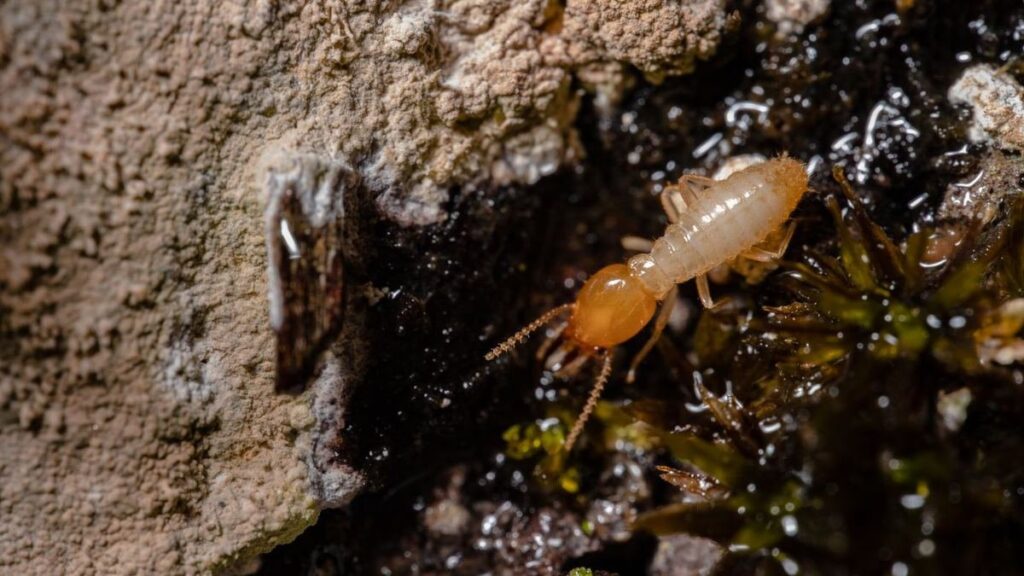
Drywood termites live inside the wood they eat. They need no contact with soil, and one house can host several separate colonies at once. Subterranean termites are the other kind. They nest in the ground and commute into the house through mud tubes. Treat the wood alone and you miss that colony completely. The right method, and so the right price, depends on which termite you have. It also depends on how far they have spread, and whether anyone can reach the damaged wood. Two quotes only compare when both name the same insect, the same method, and the same scope.
Where you live moves the number too. The same tenting job can cost two or three times more in coastal California than in Texas. Labor rates, bigger and more complex homes, and demand all push it up. National averages blend all of that together. That is why they feel useless when a real quote is in your hand. Later in this guide we break out what changes in our East Bay market.
Treat these as planning bands, not quotes. Square footage, roof shape, foundation type, and access all move a real bid inside or past these ranges.
The Three Treatment Paths and When Each Fits
Every termite quote you get is a version of one of three plans. Most of the battle is knowing which one you are being sold, and why.
Local Spot Treatment for Contained Colonies
How Spot Treatment Actually Works
A tech drills into the damaged wood. Then a termite killer, foam, or orange oil goes straight into the tunnels, and the holes get sealed. The whole job takes hours, not days, and nobody moves out. It only treats the wood the tech can find and reach. That is both its price advantage and its big weakness.
The Price and Its Fine Print
Expect a few hundred dollars for one easy spot. Several areas, or hard access, can push it near $2,500. That is a fraction of tenting. The fine print is coverage. The University of California’s pest guidance is blunt about this. Tools cannot see through walls, so no one knows exactly where a drywood colony ends. Local treatment carries a real risk of missing hidden termites.
When the Small Job Is Enough
Spot treatment earns its keep when one contained colony sits in wood you can reach. Think a garage rafter, an attic beam, or a window frame, with the rest of the house clean. It is also the standard play for clearing one Section 1 item on a deadline. If signs show up in several rooms, stop spot-treating. Price the whole house instead.
Whole House Tenting for Hidden Infestations
Why the Tent Exists at All
Tenting wraps the entire house in tarps and fills it with a gas called sulfuryl fluoride. The gas soaks into every stud, plate, and rafter. That includes wood no inspector could ever see. It is the one drywood treatment that does not depend on knowing where every colony hides. That certainty is what you pay for.
What Tenting Typically Costs
Pricing follows the size of the structure. That is why quotes talk about square footage and roof height. Average single-family homes in California often land between $2,000 and $4,500. Large or hillside homes around Oakland, Berkeley, and San Jose often run $4,000 to $8,000 or more. Add two to three nights of lodging, bagged food, and boarded pets to the real budget.
When Certainty Is Worth It
Choose the tent when termites show up in several areas. Same call when signs appear inside walls or in framing no one can reach. Same call again when a sale demands a clean house with no room for a missed colony. One honest caveat. The gas leaves nothing behind, so the day the tent comes off, the house is termite-free but not termite-proof.
Barriers and Baits for Subterranean Termites
Why the Ground Is the Target
Subterranean termites nest in soil, not in your framing. The colony survives anything you do to the house itself. So the fix goes in the ground. A liquid treatment places a ring of termite killer in the soil around and under the foundation. Termites tunnel through it, carry it home, and the colony collapses. Trenching, drilling through slabs, and foundation type drive the labor.
What Ground Treatment Costs Here
Liquid treatment is usually priced per foot of foundation edge. Most single-family jobs land between $1,500 and $5,000. Bait systems cost about $1,500 to $3,500 to install. Then add a few hundred dollars a year for monitoring. Baits work slower, but they shine where drilling a slab or trenching a tight lot line will not work.
The Moisture Fix That Comes Along
These termites follow water. So the treatment talk should also cover gutters, grading, leaky hose bibs, and crawl space airflow. A soil barrier under a house with standing water below it is fighting its own environment. A bid that ignores the water source treats the symptom and books the sequel.
What Tent Fumigation Really Involves and Costs
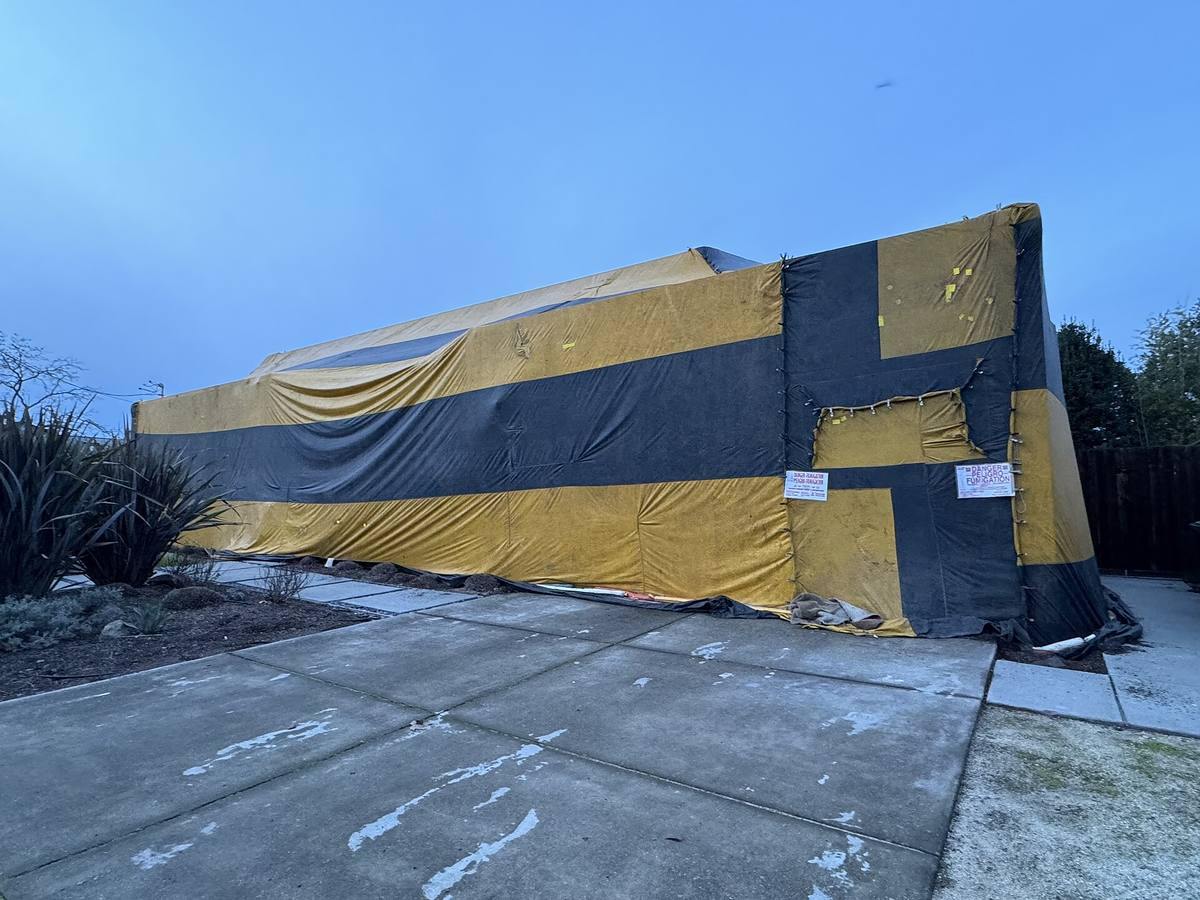
Tenting is the treatment people fear most. So it is worth knowing exactly what the money buys. The crew tarps the whole house, seals the seams, and posts warning signs. You are out for about two nights and three days. Food and medicine go into special sealed bags. Plants come out. Pets and people stay away. The gas goes in and holds at strength. Then the house is aired out and tested with meters before anyone returns.
Two facts about the gas matter for your wallet. First, it kills the insects present but leaves no residue behind. It gives zero ongoing protection. New termites can move in the very next season. That is exactly why the warranty section below matters. Second, tenting is its own licensed trade in California. It is separate from the license that covers termite inspection and local treatment. Many termite companies hire a dedicated tenting crew for the job. That is normal and fine. But your contract should say clearly who answers if something goes wrong.
How Termite Findings Can Stall a California Home Sale
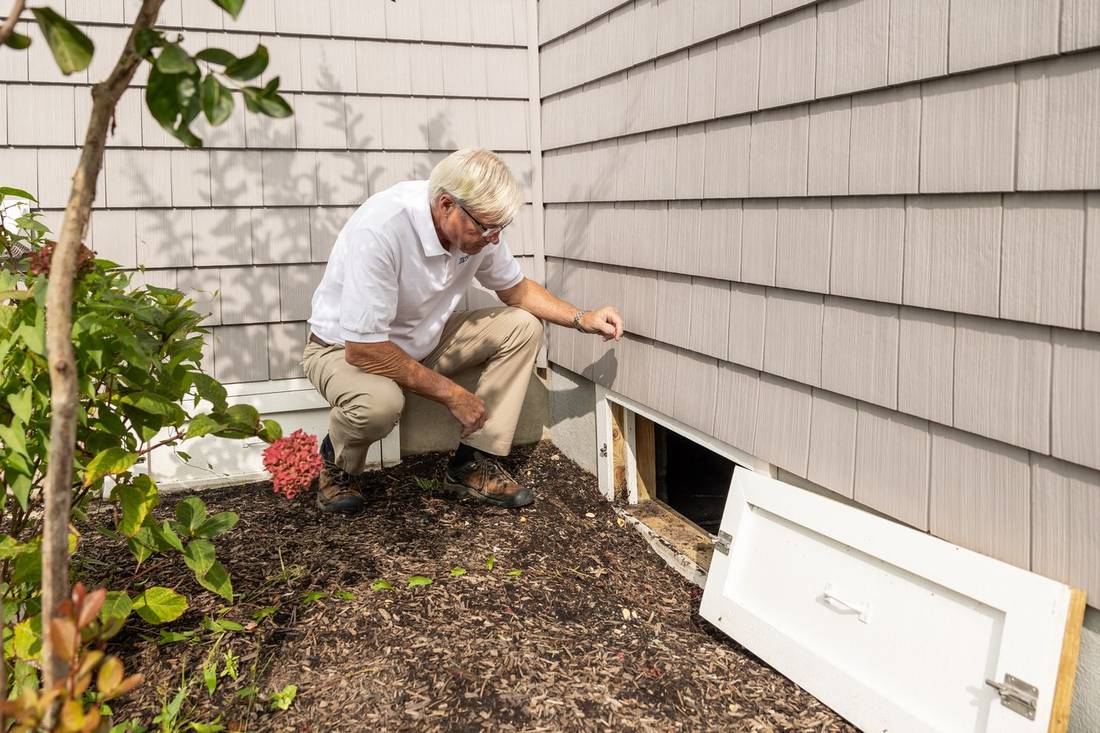
California home sales run on a document most buyers have never heard of. It is the wood-destroying organism report, ordered during escrow. It comes from a company licensed by the Structural Pest Control Board. The report splits every finding into two buckets. The bucket decides who is likely to pay.
Section 1 items are the deal-stoppers. Many lenders want them cleared before funding, and VA and FHA loans push hardest. Clearing them means doing the treatment and the linked repairs. Then a licensed company signs off that no live termites remain in view. Local custom in most of the Bay Area is that the seller pays for Section 1 work. But no California law requires it. Everything is open to negotiation, which means everything is also leverage. A buyer who knows a fair termite treatment cost can push back on a padded repair credit. A seller who inspects early can fix findings at contractor prices, not escrow-panic prices.
The Repair Bill the Pest Company Never Quotes
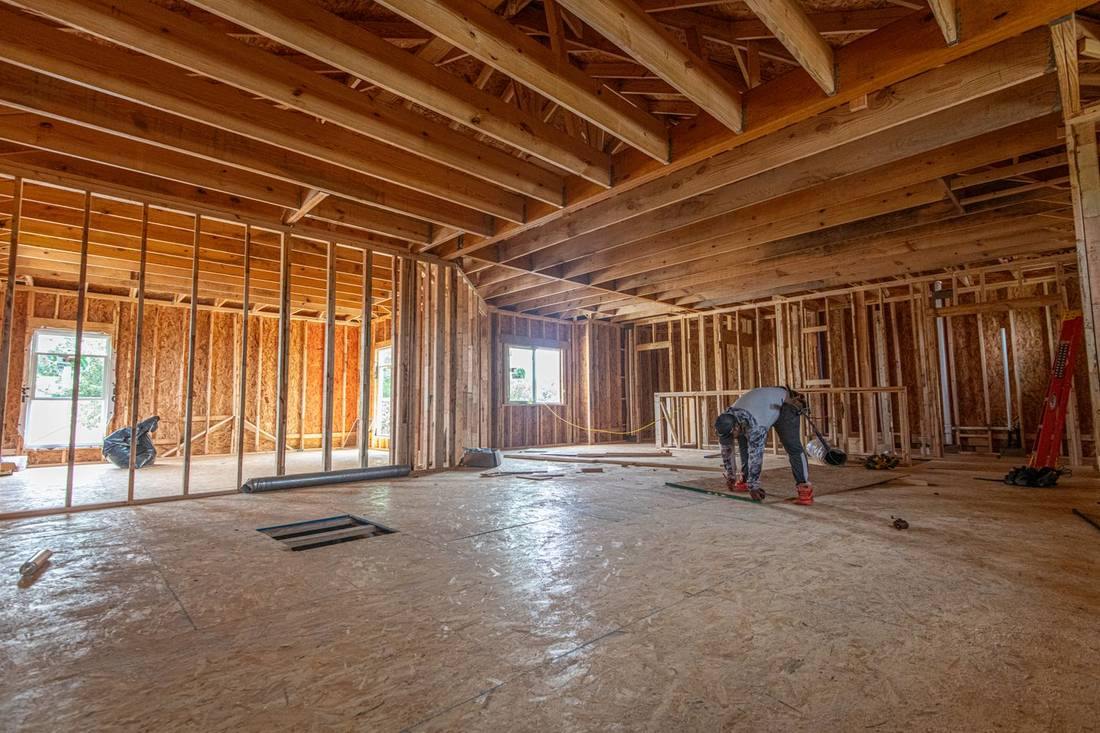
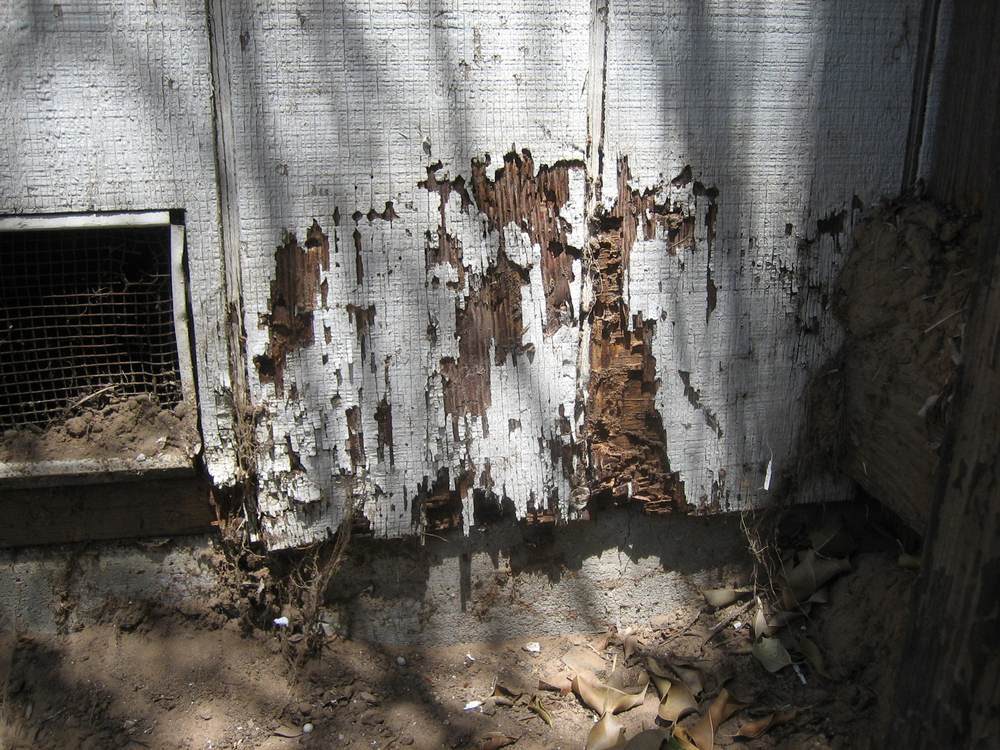
Here is the gap in almost every termite talk. The pest company’s job ends when the termites are dead. The hole in your subfloor is still there. So is the hollow sill plate, the sagging door header, and the chewed rim joist. Fixing them is construction, not pest control. Pest firms can do some wood repairs under their state license. Most prefer treatment work. Anything structural lands squarely with a general contractor. This is why termite damage repair cost surprises people more than the treatment itself. It gets quoted later, by someone else, after the urgency already drained the budget.
The ranges break along one line: cosmetic versus structural. Damaged trim, fascia boards, door casings, and small siding patches often run a few hundred dollars to about $3,000. Structural work is a different world. Think replacing a run of sill plate, or the plate is the wood your walls sit on. Think swapping floor joists, rebuilding a patch of subfloor, or reframing a wall that lost its studs. That work often costs $5,000 to $25,000. Long-ignored termites can push past it, once framing, sheathing, and finishes all come apart. The single biggest cost driver is access. Wood you can reach from a crawl space is a repair. Wood buried behind tile, stucco, or a finished ceiling is a small remodel that starts with termites.
Bay Area Termite Costs Run Above the National Numbers
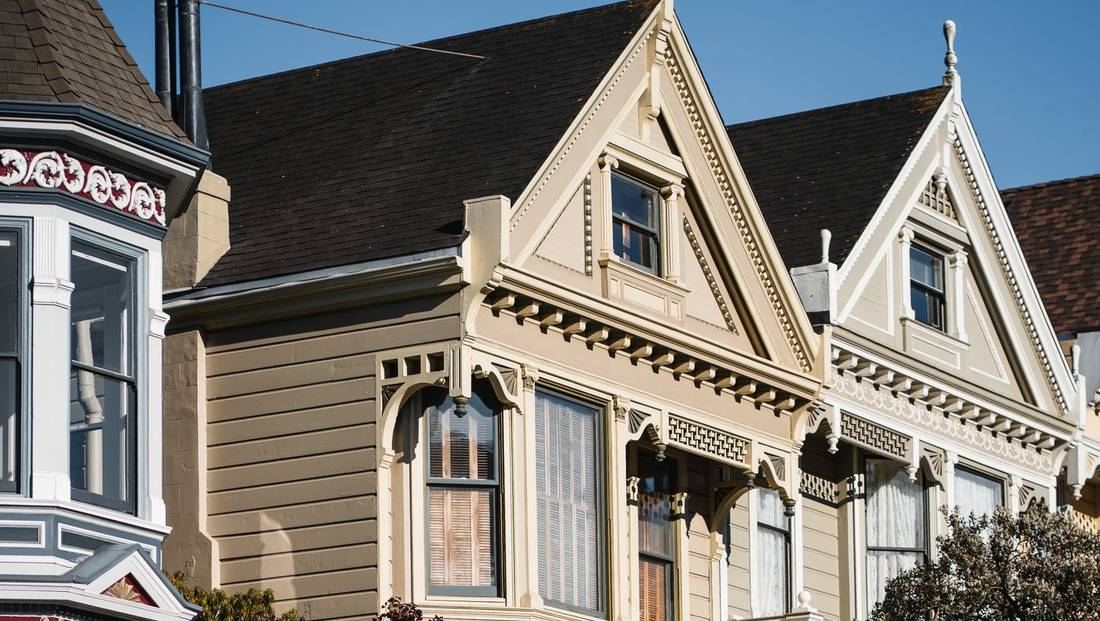
National termite averages read low from Oakland, Berkeley, San Jose, or the Peninsula. The reasons are baked into the housing itself. The region’s older wood homes, from Victorians to mid-century ranchers, have had decades to collect both problems. Drywood colonies in the framing. Ground termites pressing at the foundation. The mild, damp coastal climate suits both insects. One older East Bay house often needs drywood work upstairs and soil work below. That is really two projects in one bid.
Labor and logistics push the same way. Tent pricing follows size and shape, and local homes on slopes, with additions, or with tile roofs take longer to tent safely. A simple national job might quote around $1 to $2 per square foot. Complex local jobs often price above that. That is how a per square foot method becomes an $8,000 bid on a big hillside home in Fremont or Castro Valley. Repair labor is the widest gap of all. Carpentry here bills at general contractor rates. And older homes hide their damage behind plaster and stucco that must be opened, then restored.
One more local wrinkle. Termite damage and earthquake weakness live in the same wood. The sill plate a colony hollows out is the same board your seismic bolts anchor into. A short wall under the floor that termites chewed has lost strength right where shaking will test it. If a report flags damage down low, read our guide to seismic retrofit costs before planning repairs. Fixing the framing and strengthening it cost least as one project, while the walls are already open.
Warranty Terms That Matter More Than the Price
Tenting gas leaves no protection behind, and soil barriers fade over years. So the paper that comes with the treatment is a real part of its value. Two companies can quote the same tent at the same price. Read the warranty and they are selling different products.
The first question is retreat versus repair. Most termite warranties are retreat-only. If termites return during the term, the company treats again for free. That is all. A repair warranty is rarer and worth paying for. It also covers new damage during the coverage period. The second question is term and renewal. Tent warranties often run one to three years. Soil coverage often continues only if you pay a yearly renewal fee. That is really a service subscription. The third question is transfer. A warranty that passes to a buyer is a real selling point in escrow. It is one more reason the cheapest bid is not always the best one on a house you plan to sell.
One Team From Termite Inspection to Finished Repairs
Most homeowners build this project themselves. One company inspects. Sometimes another tents. Then comes a scramble to find a contractor for repairs, with escrow deadlines hanging over all of it. Every handoff is a place for scope to fall through the cracks. The repair phase is where the cracks are widest.
Top Tier Building Services comes at it from the construction side. Our termite control service covers full inspections, drywood termite treatment, subterranean termite control, and local spot treatments. When the problem calls for a tent, we coordinate and oversee the whole-house fumigation. And because we are a licensed general contractor, CSLB #1146790, the wood the termites ruined gets assessed and rebuilt by the same team that scoped the job. Sill plates, subfloors, joists, framing, and the finishes over them. For a home sale, that means treatment, repairs, and the paper trail your escrow needs. One project, one accountable party, instead of three vendors pointing at each other.
Get One Bid That Covers Treatment and Repairs
The quotes on your table only become comparable when someone defines the whole job. Which termite. Which treatment. Which repairs. And what the escrow paperwork requires. That is a construction scoping question as much as a pest question, and it is exactly what we do.
Top Tier Building Services (CSLB #1146790) inspects, treats, coordinates fumigation, and rebuilds termite-damaged homes across the East Bay and the wider Bay Area. Contact us for a free consultation. We will walk the property, tell you honestly whether you need a spot treatment or a tent, and give you one clear number that includes the repairs the pest quotes leave out.
FAQs
How much does termite treatment cost in California?
Spot treatment often runs a few hundred dollars, up to about $2,500. Tenting a whole house usually costs $2,000 to $4,500 for an average single-family home. Large or complex homes in expensive coastal metros can run $4,000 to $8,000 or more. Treating subterranean termites with soil chemicals or bait stations usually lands between $1,500 and $5,000. California prices sit above national averages because of labor rates and older, more complex housing.
How much does termite fumigation cost for a whole house?
Fumigation is priced on the size of the structure. Square footage and roof height drive the quote. Simple homes often price near $1 to $2 per square foot. Large, tall, or hillside homes cost more per foot to tent safely. In practice, most California homes land between $2,000 and $8,000. Budget separately for two to three nights of lodging, since everyone must be out, including pets and plants.
Who pays for termite treatment when selling a house?
It is negotiable in California. But custom in most Bay Area sales is that the seller pays to clear Section 1 findings, meaning live termites and existing damage. Many lenders require that clearance before they fund the loan. Section 2 findings are conditions likely to invite termites later. Those are often left to the buyer or split in negotiation. Everything is leverage, so knowing real costs changes what each side gives up.
How much does it cost to repair termite damage?
Cosmetic repairs like trim, fascia, and door casings often run a few hundred dollars to about $3,000. Structural repairs cover sill plates, floor joists, subfloor sections, and wall framing. Those often run $5,000 to $25,000, and severe long-term damage can cost more. Access drives the price. Wood you can reach from a crawl space costs far less to replace than framing hidden behind stucco, tile, or finished ceilings.
Does homeowners insurance cover termite damage?
Almost never. Standard policies treat termite damage as maintenance you could have prevented, not a sudden covered event. So both the treatment and the repairs come out of pocket. The rare exception involves a covered event that follows hidden damage, like a sudden collapse, and insurers fight those claims hard. In practice, regular inspections are your insurance. Catching termites early is what keeps the repair bill small.
Can drywood termites be treated without tenting?
Yes, when the problem is truly contained. Local methods, like injected termite killers, foams, and orange oil, can wipe out colonies the inspector can find and reach. Whole-house heat treatment can also clear a home without chemicals. The risk is coverage. University of California guidance notes that tools cannot see through walls, so local methods carry a real chance of missing hidden colonies. Termites in several spots usually justify the tent.