
Here is the pricing puzzle that catches almost every homeowner. A doorknob punches a hole in the hallway. That repair lands around $300 to $500. Then a brown ring shows up on the ceiling. The bill for that “little stain” can pass $2,500. Same material. Same wall. An eight-times gap in price.
The short answer on drywall repair cost: you are not paying for drywall. You are paying for everything the damage dragged into the job. A small hole is one trade, one visit, one patch. A water stain is a leak, a mold risk, a tear-out, a rebuild, a texture match, and a paint job. All of it lands on one invoice. This guide shows what each type of damage really costs, where the money hides, and when a patch stops making sense.
Key Takeaways
- Pros charge about $300 to $500 to patch a small hole. Most carry a $350 to $650 minimum job fee, so even tiny repairs start near that floor.
- A water stain costs more because the drywall is the last thing fixed. The leak, the drying, the mold check, and the repaint all bill before the patch does.
- Texture matching is the quiet cost driver. Blending a patch into a textured wall takes real skill, and a bad blend shows in every side light.
- Per-square-foot pricing of roughly $3 to $8 only fits large, multi-sheet repairs. For one hole, the minimum fee sets the price, not the math.
- Once damage covers more than roughly 60% of a wall, replacing the panel beats patching on both price and finish.
What This Guide Covers
- What Drywall Repair Really Costs by Damage Type
- Why Patching a Small Hole Still Costs Real Money
- When Per-Square-Foot Math Applies and When It Misleads
- What a Water Stain Actually Bills For
- Texture Matching Is the Hidden Cost Driver
- When a Patch Stops Being a Patch
- How to Get a Drywall Repair Estimate That Holds Up
- Get an Honest Number Before You Patch
- FAQs
What Drywall Repair Really Costs by Damage Type
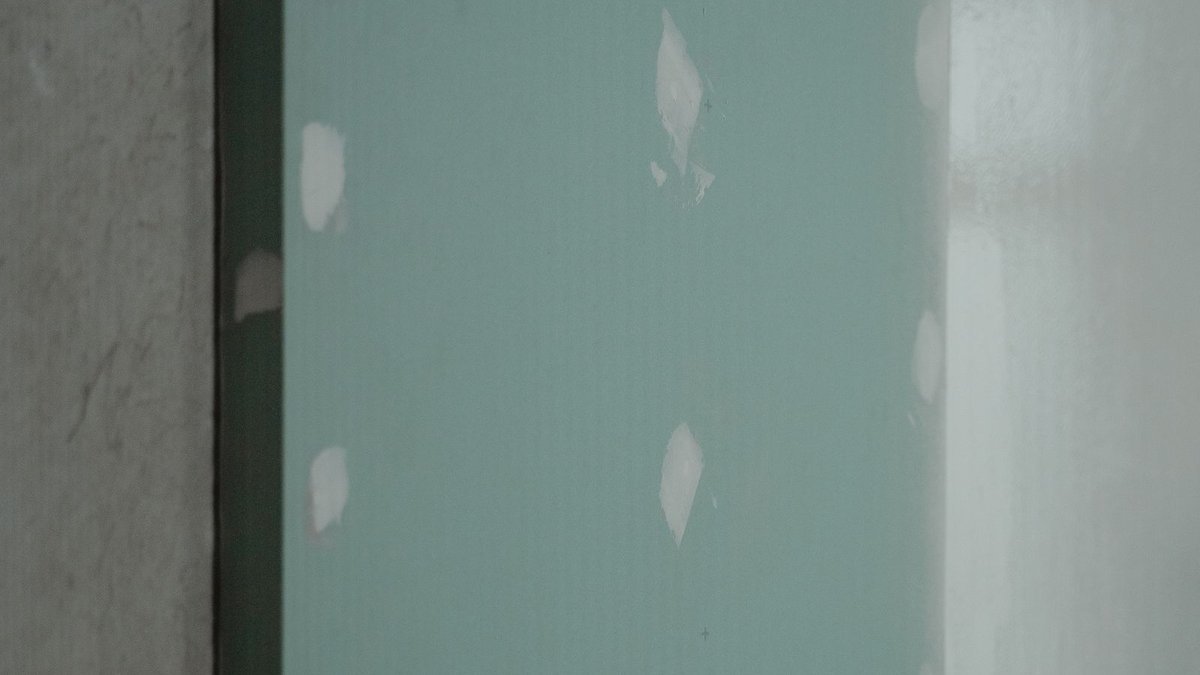
Repair pricing spreads wide because “drywall damage” covers a lot. It runs from a thumbtack hole to a soaked, sagging ceiling. Here is how typical pro pricing breaks out by damage type. Use it to sanity-check local bids.
These ranges line up across sources. HomeGuide puts small holes at $300 to $500 and larger repairs at $500 to $800 or more. Homewyse pegs the national average near $297 to $472 per repair as of mid-2026. Water damage sits in its own bracket. It is a restoration project, not a patch.
Why Patching a Small Hole Still Costs Real Money
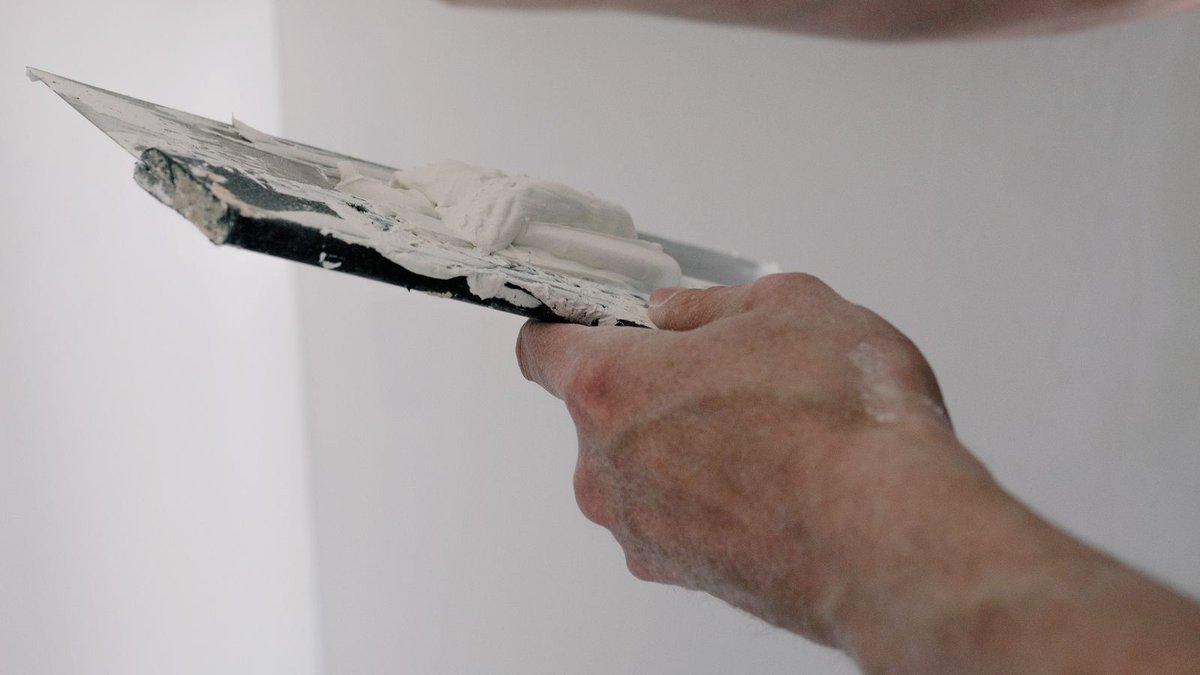
The materials for a small patch cost less than lunch. So why does the pro bill start near $300? Because you are buying finish quality and return trips, not gypsum.
A proper patch takes days, not minutes. The pro sets a backing and embeds a patch. Then joint compound goes on in three coats, each one wider than the last. Each coat must dry before the next. Rushing this step is exactly why DIY patches bulge or show through paint. Add sanding, priming, and blending the paint into the wall around it. One “small” hole has now eaten two or three site visits.
Labor is the other half. Drywall pros charge roughly $60 to $150 per hour. In high-wage metros like the Bay Area, expect the upper half of that band. A two-visit repair cannot be billed by the minute. So contractors quote a flat minimum, usually $350 to $650. It covers travel, setup, dry time, and cleanup. Paint matching adds around $125 more when the old color has to be matched from scratch.
When Per-Square-Foot Math Applies and When It Misleads
Search results love per-square-foot numbers, but they only describe one kind of job. Drywall repair cost per square foot runs about $3 to $8 for labor and materials. That math fits large repairs, like replacing full sheets after a plumbing failure. It does not fit single patches.
The parts behind that number help you read any bid. Drywall sheets cost $10 to $20 each. Taping, mudding, and finishing runs $1.50 to $3 per square foot. Texture adds roughly $0.80 to $2 per square foot on top. Stack those layers and you land inside the $3 to $8 range for a paint-ready surface.
The trap is using that math on a small job. A 2-square-foot patch at $8 per square foot “should” cost $16. No contractor will roll a truck for that. Below about one sheet of drywall, the minimum fee is the price. Above several sheets, the square-foot math takes over. Knowing which side your job falls on tells you fast whether a bid is padded or fair.
What a Water Stain Actually Bills For
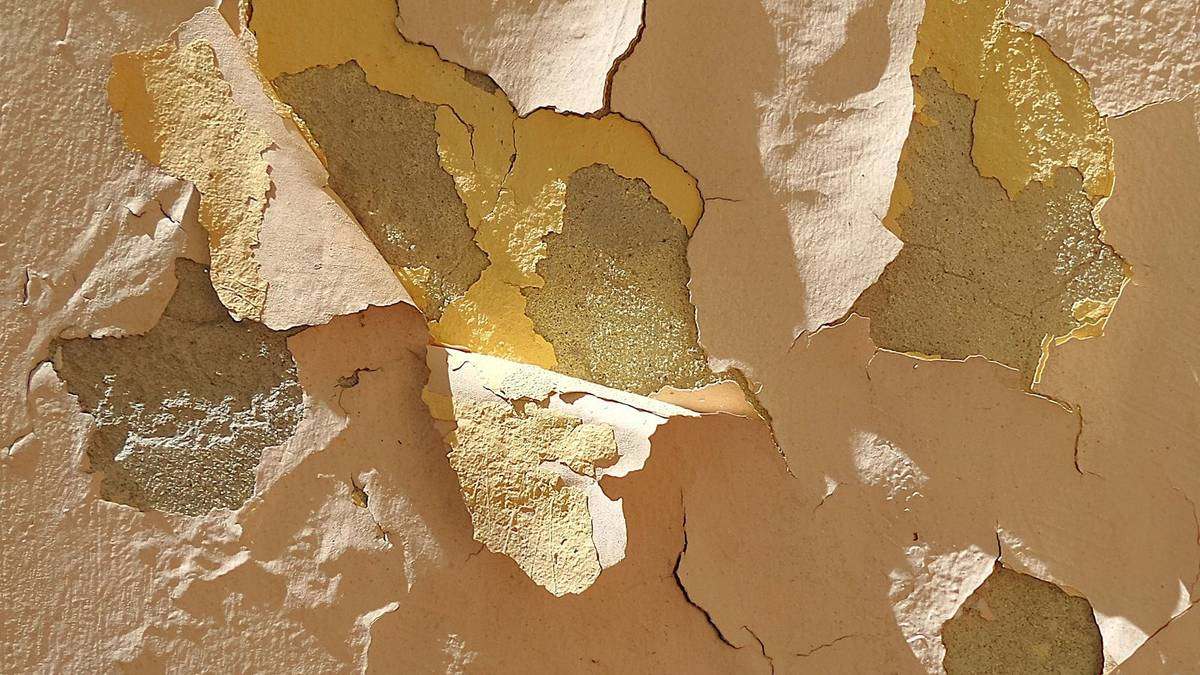
A brown ceiling ring looks like a cosmetic problem. It is really a status report. Water has already traveled somewhere it should not be. It has soaked material that will not dry on its own. It may have fed mold for weeks. That is why water damage restoration averages $2,000 to $6,000 nationally. The stain is the last chapter of the story, and the repair has to run the whole plot in reverse.
1. Finding and Stopping the Leak First
What the Crew Does
Before anyone touches drywall, someone has to trace the water to its source. That may be a failed supply line, a slow drain joint, or a shower pan. Tracing often means opening more ceiling or wall to follow the path, because water rarely stains right below where it enters.
Where the Money Goes
Plumbing is its own trade at its own rates. Fixing a burst section of pipe runs about $150 to $250 per linear foot, and finding the leak bills time even when the fix is small. Skipping this step guarantees a repeat bill, so no honest contractor patches first and asks questions later.
2. Cutting Out More Than the Stain
What the Crew Does
Wet gypsum loses its strength and crumbles. So the crew cuts back past the visible stain to solid, dry material, usually to the nearest framing so the new piece has support. A stain the size of a dinner plate often becomes an opening of several square feet once the soft spots are mapped.
Where the Money Goes
You pay for tear-out, disposal, and a bigger rebuild than the stain suggested. New drywall itself is cheap at $1.50 to $3.50 per square foot installed. But wet insulation above a ceiling adds $1 to $4 per square foot, and drying the cavity with fans and dehumidifiers bills on top of that.
3. Checking for Hidden Mold Growth
What the Crew Does
A cavity that stayed damp is a mold candidate, so the opening gets inspected before it gets closed. The EPA’s mold cleanup guidance draws the line at about 10 square feet. Smaller patches can be handled directly, while larger growth calls for professional cleanup methods.
Where the Money Goes
A pro mold inspection runs $300 to $650. Actual removal costs $15 to $30 per square foot once growth is established. This is the biggest fork in a water-stain budget. Caught early, mold is a line item. Caught late, the cleanup can dwarf the entire drywall repair several times over.
4. Rebuilding the Surface in Layers
What the Crew Does
New drywall gets hung, taped, and mudded. Then the surface has to vanish into the old ceiling or wall around it. That means feathering compound well past the patch, and rebuilding whatever texture the surface carried, coat by coat, with dry time between each pass.
Where the Money Goes
Finishing runs $1.50 to $3 per square foot, and texture adds roughly $0.80 to $2 more. The real cost is skilled time. Texture matching is freehand work — the difference between an invisible repair and a ceiling that shows its patch every time the afternoon sun rakes across it.
5. Repainting Corner to Corner
What the Crew Does
Fresh mud drinks paint differently than aged painted drywall. So pros prime the repair, then repaint the whole ceiling or wall out to the nearest corners. They do not dab paint on the patch. Corners hide the transition; the middle of a ceiling never does.
Where the Money Goes
Interior painting adds $2 to $8 per square foot after repairs are done. Color matching an aged, sun-faded paint adds around $125 when the original can is long gone. On a ceiling stain, the repaint is often the largest line after the plumbing — and the item most often missing from lowball bids.
Put the pieces together for a typical bathroom-leak ceiling stain. The math explains the headline number.
That stack lands between roughly $1,450 and $2,900. So $2,500 is an ordinary invoice for a stain the size of a plate. It is also why the water-damage bracket starts near $2,000.
Texture Matching Is the Hidden Cost Driver
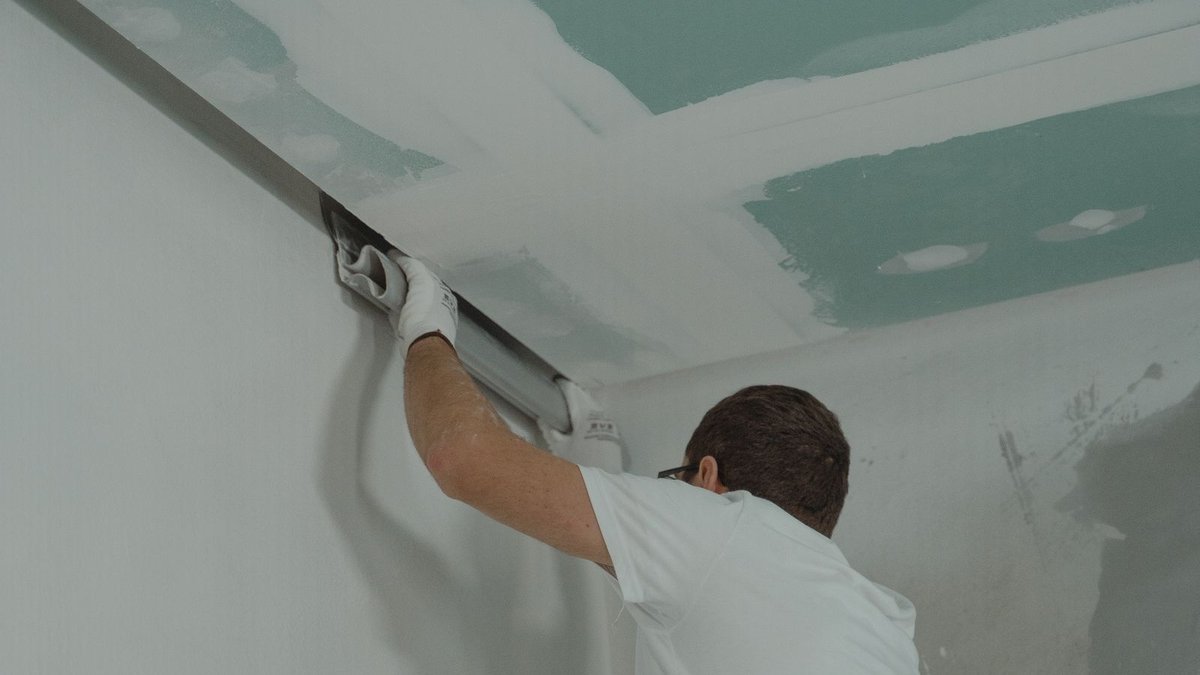
Ask three contractors why drywall bids vary, and texture comes up three times. A patch on a smooth wall is forgiving. A patch on orange peel, knockdown, or hand-troweled texture is not. The pro has to copy a pattern that was sprayed or floated across the whole surface in one pass. The eye is brutal at spotting the seam.
This is regional as much as technical. Much of the Bay Area’s postwar housing carries sprayed texture from the era — the tract streets of San Jose, Fremont, and the East Bay suburbs. Many older Oakland and Berkeley homes are plaster, not drywall. Plaster repairs mean lath, base coats, and skim coating at a higher price. Matching the era’s finish is the difference between a repair you forget and one you see nightly.
It is also why repair and refinishing belong to one trade. Our painting and surface finishes team treats drywall repair, skim coating, and texture matching as a single scope, because a patch is only finished when the light stops finding it.
When a Patch Stops Being a Patch
There is a point where paying for repairs means paying twice. Watch for these thresholds.
The clearest one is coverage. Once damage spans more than roughly 60% of a wall, replacing the whole panel is usually cheaper than chasing patches. One hang, one tape job, one uniform finish. Cracking spread across a room points the same way. At that point you are pricing new sheets rather than patches, and our drywall installation cost guide breaks down what hanging and finishing fresh panels runs.
Cracks that come back deserve extra doubt. Hairline cracks from a new home settling are normal. A crack that reopens after a proper repair is movement, not cosmetics. In East Bay hillside neighborhoods, seasonal soil movement does exactly that. Repeated reopening is a signal to have the framing or foundation checked before spending again on mud. The same logic applies outside, where stucco repair costs follow the same story when a wall keeps cracking.
Soft spots settle the question fastest. Drywall that flexes, crumbles at a touch, or sags overhead has lost its structure to moisture. It cannot be skimmed back to health. A sagging ceiling is a replace-now situation, since soaked panels are heavy and fail without much warning.
How to Get a Drywall Repair Estimate That Holds Up
Online calculators are the wrong tool for small repairs. A drywall repair cost calculator multiplies area by a rate. As covered above, single patches are priced by minimum fees, dry-time visits, and texture. None of that lives in the formula. Calculators lowball small jobs and overshoot simple big ones.
A drywall repair estimate that will not grow later itemizes five things: the repair method (patch versus panel replacement), the number of visits for coat drying, texture matching, primer, and paint. If a bid is one line with a round number, the missing items have not vanished. They are waiting for the final invoice.
Two more filters protect you. First, match the pro to the job. A handyperson at $50 to $80 per hour fits simple patches. Ceiling work, water damage, and structural cracks justify a drywall contractor at $60 to $100 or more per hour. Second, for anything beyond a cosmetic patch in California, verify the license at the CSLB’s license check before signing. Water-damage repairs cross several trades, and that is exactly where unlicensed work gets expensive. Top Tier Building Services operates under CSLB license #1146790, and we put the number on every bid because that is what the lookup tool is for.
Get an Honest Number Before You Patch
A repair bid should survive its own final invoice. If you are looking at a hole, a crack, or a stain anywhere from Castro Valley to the wider Bay Area, we will tell you which bracket it falls in, what the fix includes, and what it costs — itemized, in writing, before work starts. Request a free estimate or call 510-470-1870, and get a number that means what it says.
FAQs
How much does it cost to repair a small hole in drywall?
Pro repair of a hole under 4 inches typically runs $300 to $500, and national averages land around $297 to $472 per repair. Most of that is the contractor’s minimum job fee. It covers multiple visits for compound coats, sanding, and paint blending, not the patch material itself.
Why do drywall repair cost calculators come in low?
Calculators multiply area by a per-square-foot rate. But small repairs are priced by minimum job fees of $350 to $650, dry-time visits, and texture matching. None of those appear in square-footage math, so a calculator can show $50 for a job no contractor would take under $350.
How much does drywall repair cost per square foot?
Large repairs run about $3 to $8 per square foot for labor and materials. That breaks down into hanging, taping, and finishing at $1.50 to $3 per square foot, plus texture at roughly $0.80 to $2. Per-square-foot pricing only applies once a repair spans full sheets, not single patches.
Is it cheaper to patch drywall or replace the whole sheet?
Patching wins for isolated damage like small holes and minor cracks. Replacement wins once damage covers more than roughly 60% of the wall, when drywall is soft or sagging from moisture, or when a wall carries many separate repairs. One new panel finishes cleaner than a patchwork.
Why does water-damaged drywall cost so much more to fix?
Because the drywall is the cheapest part of the job. The bill also carries leak repair, drying equipment, a mold inspection, tear-out past the visible stain, insulation replacement, texture matching, and a corner-to-corner repaint. Those projects average $2,000 to $6,000, while a dry small hole is a $300 to $500 patch.
Does homeowners insurance cover water-damaged drywall repair?
Often, but it depends on the cause. Sudden accidents like a burst pipe are commonly covered. Damage from slow leaks or skipped maintenance is routinely denied. Review your policy and photograph the damage before repairs begin, and get the leak diagnosis in writing.