
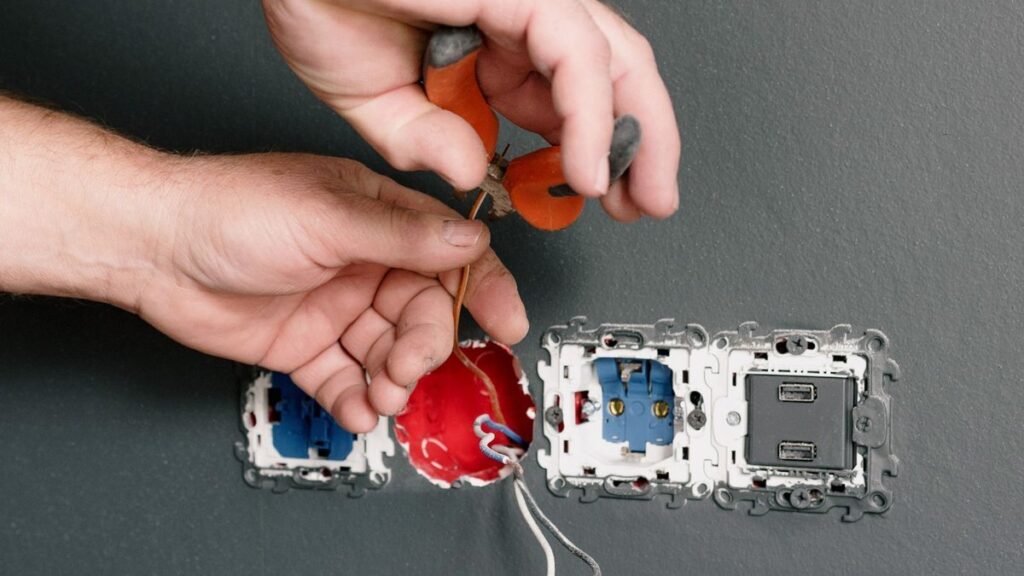
Search the cost to rewire a house and Google’s answer box hands you a calm national range, roughly $6,000 to $15,000 for a 1,500-square-foot home. Then an electrician spends an hour in your 1948 Berkeley bungalow. The quote comes back at $22,000, $28,000, sometimes more. That gap is not a scam. It is not a typo either. The box prices a simple house with drywall, open access, and modern cable. Older Bay Area homes are rarely that house. They hide knob and tube wiring, plaster walls, and panels with no room for new circuits. In fact, the top search results for this phrase are full of homeowners posting five-figure quotes and asking strangers whether they are being robbed. This guide answers that question properly. You will see what each version of the job honestly costs here. You will see why old walls multiply labor, how the electrical panel fits in, and when a smaller partial rewire is a sound move instead of a false economy.
Key Takeaways
- The answer-box range prices a simple house. A whole-house rewire of an older Bay Area home commonly runs $15,000 to $30,000. Plaster walls or knob and tube wiring can push larger homes past $40,000.
- Knob and tube wiring is the single biggest cost trigger. It has no ground wire, its insulation crumbles with age, and many insurers will not write or renew a policy until it is gone.
- Most homes can be rewired without tearing out all the drywall. Electricians fish new cable through walls from the attic and crawl space. Plaster makes that surgery slower, and that is where the money goes.
- Rewiring and the electrical panel are one decision, not two. New circuits need somewhere to land, so many rewires include a panel or service upgrade in the same project.
- Every honest rewire runs through a city permit and inspection. In California the person charging you must hold a contractor license, and you can check any license number online in seconds.
What This Guide Covers
- The Number in the Answer Box Assumes a House You Do Not Own
- What Rewiring Really Costs Around the Bay Area
- Knob and Tube Wiring Is Why Insurers Read Your Quote First
- Plaster Walls Turn a Rewire Into Careful Surgery
- Four Ways to Buy a Rewire and Who Each One Fits
- The Panel Tie-In That Decides a Third of Your Budget
- Permits Inspections and the License Check That Protects You
- Get a Rewiring Bid You Can Actually Compare
- FAQs
The Number in the Answer Box Assumes a House You Do Not Own
National cost databases build their ranges from thousands of reported jobs. Most of those jobs are simple. A 1990s tract home with drywall, an open attic, and a modern panel rewires quickly. Cable pulls fast through easy framing paths. Boxes come out and go back in cleanly. Average a country full of those jobs and you get the tidy $6,000 to $15,000 figure the box shows.
Now look at what actually ranks when people search this phrase. The top organic result is a homeowner forum thread with hundreds of replies. It was started by someone asking whether a $22,000 quote to rewire a house of about 1,460 square feet is fair. Read the answers and a pattern appears. Electricians in cheaper regions call it high. People who have actually rewired old homes in coastal California call it normal. Both are telling the truth about their own market.
Three things separate your house from the database house. The first is the age of the wiring. A home wired before about 1950 usually needs everything replaced, not extended. The second is wall material, because plaster resists the shortcuts drywall allows. The third is the labor market. Licensed electricians around Oakland, San Jose, and the Peninsula commonly bill $150 to $250 an hour, roughly double many inland markets. Stack all three and the honest price is two to three times the box. That is the whole mystery.
What Rewiring Really Costs Around the Bay Area

Treat these as planning ranges, not quotes. They reflect what house rewire cost talks commonly look like across Alameda, Contra Costa, and Santa Clara County right now. Your number depends on size, wall material, access, and how much of the old system can stay.
Notice what drives the spread. It is not copper. Wire and boxes are a small slice of any bid. The spread is hours. A rewire is hundreds of small jobs, and every one of them slows down in an old house. Each opening in plaster takes longer to cut. It takes longer to patch too. Each cable run fights hidden wood blocking inside the walls. Each old circuit has to be traced before it can be retired. At local hourly rates, slow is expensive.
Knob and Tube Wiring Is Why Insurers Read Your Quote First
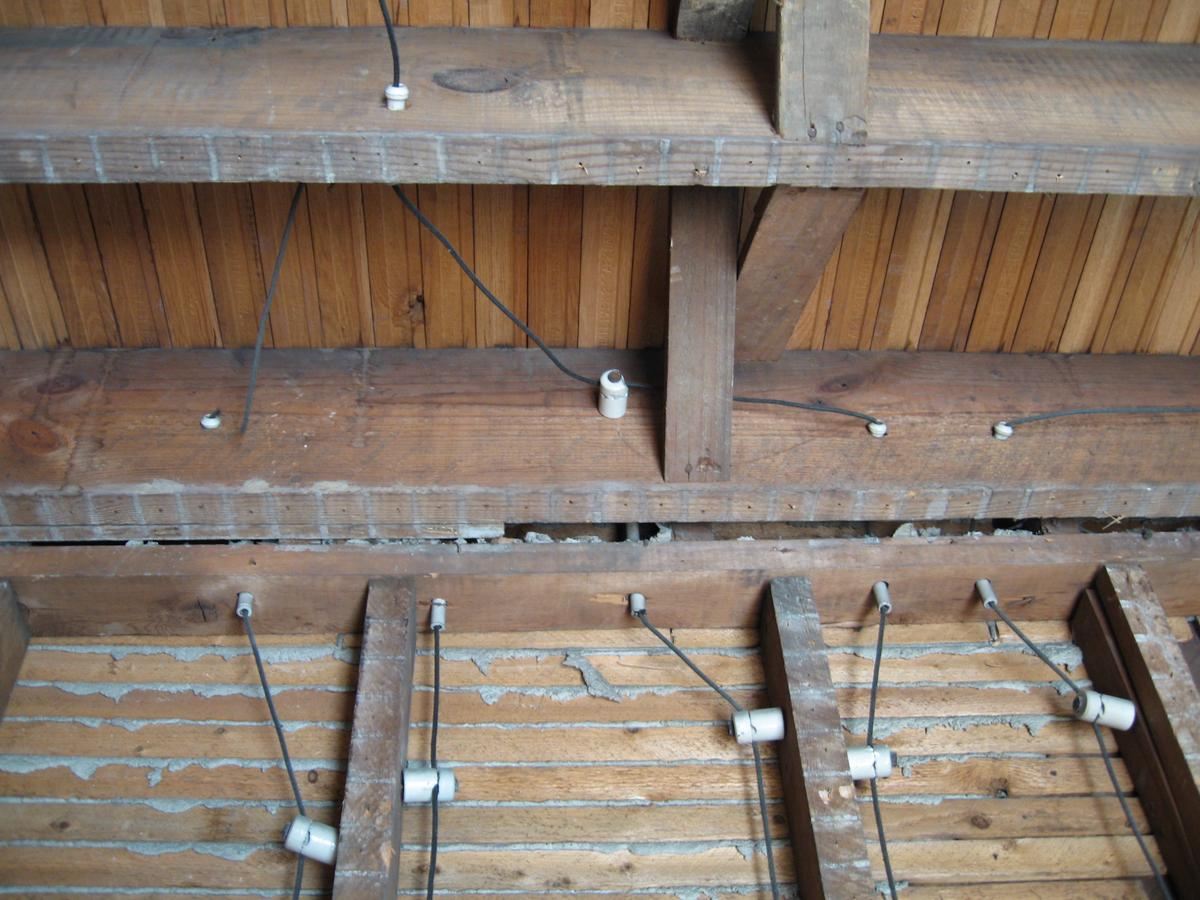
Climb into the attic of a pre-war East Bay home and you may see it. Ceramic knobs hold single cloth-covered wires. Porcelain tubes carry them through the joists. That is knob and tube, standard practice from the 1880s into the 1940s, and fine work in its day. The problem is what a century does to it. The old insulation dries out. It flakes off at splices and fixtures. The system has no ground wire at all, so a fault has no safe path away from you. It also relies on open air around the wire to shed heat. Decades of energy retrofits blew insulation right over those wires and buried them inside the ceiling. The National Fire Protection Association publishes ongoing research on home fires caused by electrical failure or malfunction, and aging wiring is a recurring theme in that work.
Insurers read the same research. That is why knob and tube wiring replacement cost has become a search of its own. Many carriers now ask about wiring type on every application for an older home. Some refuse the policy. Some charge more for it. Some issue coverage only with a replacement deadline attached. Homeowners often find this out during a sale. The buyer’s insurer balks, and the wiring becomes a bargaining chip worth tens of thousands of dollars.
The replacement itself is the deep end of rewiring. Live knob and tube is usually left dead in place, or pulled where it is easy to reach. New grounded circuits are fished to every room. On a typical older East Bay home that lands in the $15,000 to $30,000 range from the table. It climbs when the house is large, the plaster is fragile, or the attic is packed with insulation that has to be moved first.
Plaster Walls Turn a Rewire Into Careful Surgery
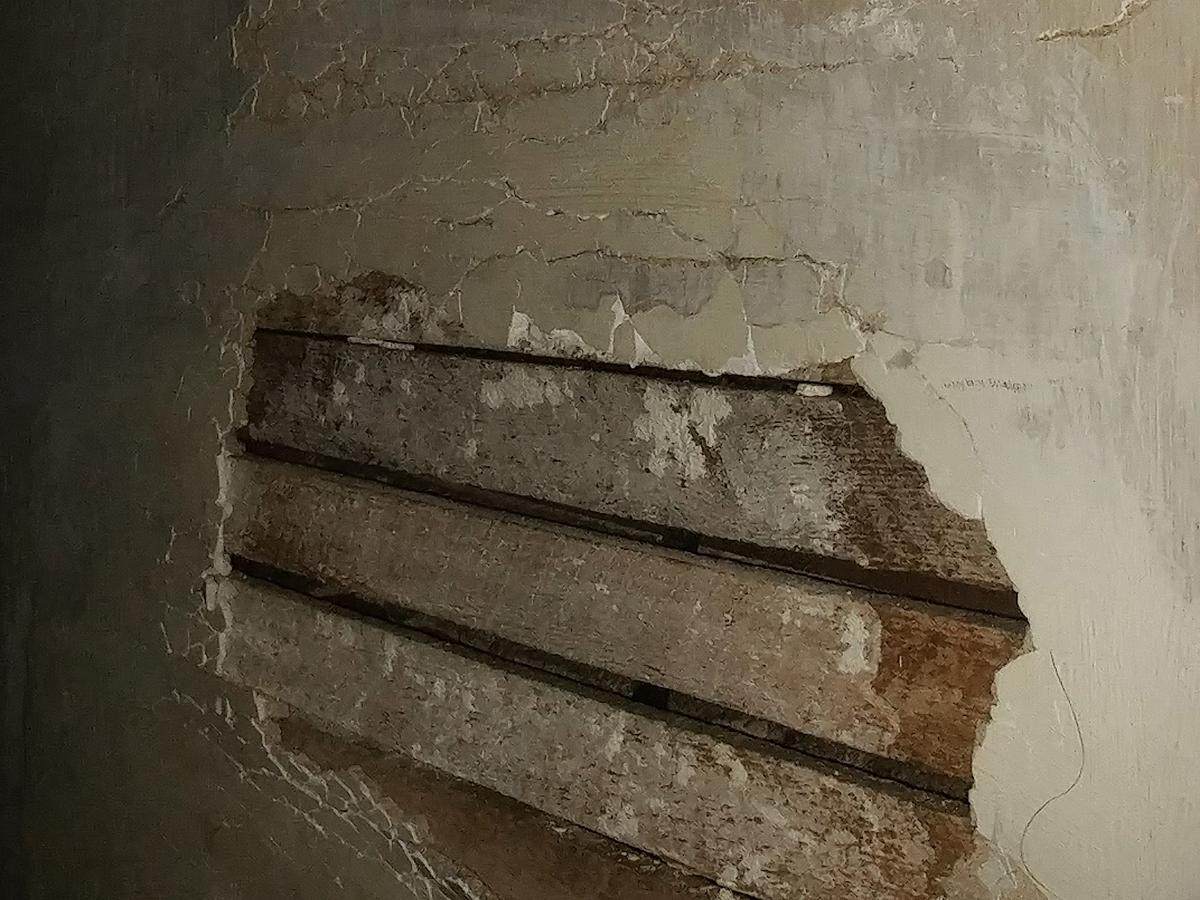
Here is the good news buried in this topic. Rewiring does not mean gutting your house. The question people ask Google, can a house be rewired without removing drywall, has a reassuring answer. Yes, mostly. Electricians rewire finished homes through a technique called fishing. They work from the attic above and the crawl space below. They drill through the hidden framing and push or pull new cable through the wall cavities. At each outlet and switch they cut a small opening, land the new cable in a new box, and move on. A skilled crew rewires entire rooms this way while the walls stay standing.
What changes the bill is what the walls are made of. Drywall forgives. It cuts cleanly, patches invisibly, and costs little to repair. Plaster does not forgive. It is brittle, and it cracks in sheets when cut carelessly. Behind it sits a skeleton of wood lath that snags every drill bit and fish tape. The patch itself is skilled work, because a plaster repair has to match a texture that was hand-applied eighty years ago. That is why the same rewire that runs $12,000 in a drywall house can run $25,000 in a plaster one a mile away in Alameda. The wire is identical. The surgery is not.
There is also a judgment call your electrician makes room by room. Sometimes fishing a wall costs more in hours than opening it would cost in patching. A good contractor prices both paths on the tricky walls instead of defaulting to one. Have that conversation at the estimate stage, not at the change-order stage.
Four Ways to Buy a Rewire and Who Each One Fits
There is more than one honest way to buy this project. The right shape depends on your budget, your timeline, and whether you can leave the house. These four come up on almost every older home.
1. Whole-House Rewire in One Pass
What One Pass Means
The crew replaces every circuit in the home in one continuous project. That usually means one to three weeks of site work. Old wiring is retired everywhere at once. New grounded circuits reach every room. The panel work, inspection, and patching happen in one planned sequence.
Why It Costs Least Per Circuit
Setup is the hidden tax on electrical work. Site protection, access work, and inspection trips get paid for once instead of three times. Crews also move faster when the whole house is open to them. Cable runs take the straightest path instead of detouring around finished rooms.
Best for These Situations
Homes facing an insurance deadline on knob and tube. Houses sitting empty between owners or tenants. Any project already living through a remodel. If you can move out for even part of the work, this is almost always the cheapest path to a fully modern system.
2. Phased Rewiring Floor by Floor
How the Phases Divide
The electrician splits the house into zones, commonly one floor or one wing at a time. Each zone is rewired as a complete small project, months or even a year apart. The panel usually gets its upgrade in phase one, so every later zone has somewhere clean to land.
The Premium You Pay for Comfort
Each phase repeats setup, permits in some cities, and inspection visits. So the total usually runs well above a one-pass job. In exchange, you keep living in the house. Power stays on in every zone the crew is not opening that week.
Best for Occupied Family Homes
Phasing fits households that cannot move out. It fits budgets that prefer three smaller bills to one large one. And it lets a bad surprise in phase one, like brittle plaster, reshape the plan for later phases before the money is spent.
3. Partial Rewire of the Worst Circuits
What a Partial Honestly Covers
Instead of the whole house, the electrician replaces the circuits that carry real load or real risk. That usually means the kitchen, bathrooms, laundry, and any breaker that trips weekly. The rest of the wiring stays, written down and inspected, until a later project retires it.
When Partial Is a Sound Move
It works when the existing wiring is merely old rather than unsafe. It works when a load calculation shows the trouble sits in a few rooms. It also works as a bridge to a planned remodel a few years out. Safety fixes now, completeness later, is a fair order.
When Partial Is False Economy
It fails when the remaining wiring is knob and tube or damaged cloth cable. Insurers and inspectors judge the system by its worst part, not its best. Paying twice for setup and still failing an insurance wiring check is the expensive way to save money.
4. Rewiring Inside a Larger Remodel
Why Open Walls Change Everything
The biggest rewiring cost is careful access through finished walls. A remodel that has already opened the walls erases it. Cable flies through exposed framing in a fraction of the fished hours. Patching belongs to the remodel’s drywall budget, not the electrical bid.
The Planning That Makes It Work
The rewire has to slot in between demolition and insulation. The electrical plan must be final before drywall day. A general contractor running both scopes keeps that order honest. That gap is exactly where homeowners hiring trades separately get burned.
Best for Kitchens Baths and Additions
Is a kitchen remodel, bathroom gut, or addition anywhere in your five-year plan? Then price the rewire inside it. Closing walls this year and opening them again next year is the most common five-figure sequencing mistake we see on older homes.
The Panel Tie-In That Decides a Third of Your Budget
Every new circuit you fish through the walls has to land on a breaker. On many older homes the existing panel has no room, no capacity, or a brand name that ends the conversation. A 60 or 100 amp service feeding a fuse box cannot anchor a modern rewire. Neither can a flagged Federal Pacific cabinet. That is why so many rewiring projects around the East Bay include a panel or full service upgrade in the same contract. It is also why the $5,000 to $15,000 line in the cost table exists.
The two projects belong together. Done in one permit cycle, the panel and the new circuits share one inspection sequence. The grounding system gets built once to serve both. The utility shutoff a service upgrade needs happens while the house is already a job site. Done separately, you pay twice for overlapping work. You also risk a new panel sized wrong for circuits designed a year later. We walked through that side of the project in our electrical panel replacement cost guide, including what drives panel pricing and how PG&E fits into the schedule. If your home still runs on its original wiring, read the two guides as one decision.
Permits Inspections and the License Check That Protects You
A whole-house rewire is permit work everywhere in the Bay Area, full stop. Your contractor pulls an electrical permit from the city. The work is inspected. On projects that touch the service, the city releases the meter so the utility can reconnect. Cities differ in the details. Some want a circuit list filed with the application. Some inspect in stages while walls are open. Fees run from a couple hundred dollars to over a thousand between cities like Oakland, Fremont, and San Jose. An unpermitted rewire is not a savings. It surfaces in the disclosures when you sell the house. It hands your insurer an argument after a fire. And it often gets opened up and re-inspected at your expense anyway.
The license check matters just as much. In California, anyone contracting electrical work beyond a token amount must hold a state contractor license. You can verify any number in seconds through the Contractors State License Board lookup. Rewiring an old house is exactly where that check earns its keep. The project is high-dollar, hidden inside walls, and hard to judge mid-job. Top Tier Building Services carries CSLB license #1146790. We list it because checking should be your first step with every bidder, including us.
Get a Rewiring Bid You Can Actually Compare
The distance between Google’s number and your quote is not padding. It is plaster, knob and tube, a panel with no room left, and one of the priciest labor markets in the country. The fix is to make every bidder define the same job. Which circuits go, which stay, who patches, what happens to the panel, and which permit covers it, in writing. Two bids describing the same scope are easy to compare. Two numbers describing mystery scopes are not.
Top Tier Building Services handles whole-house rewiring, panel upgrades, and electrical work inside larger remodels across the East Bay and the greater Bay Area. We are licensed, bonded, and insured under CSLB #1146790. Want a straight answer on whether your home needs the full rewire, a phased plan, or just its worst circuits handled? Reach out for an estimate or call 510-470-1870. We would rather map the smallest project that actually solves your problem than sell you the biggest one on the menu.
FAQs
Is it worth rewiring an old house?
Usually yes, when any of three things is true. The house still has knob and tube or damaged cloth wiring, because insurers and buyers will keep pricing that against you until it is gone. You plan to stay and go electric, since EV chargers, heat pumps, and induction ranges need grounded modern circuits. Or you are remodeling anyway, because open walls make rewiring far cheaper. The money comes back in insurability, a cleaner sale, and a house that stops tripping breakers. The case against is a short ownership window with healthy wiring. There, a targeted partial rewire covers the real risks for far less.
Can a house be rewired without removing drywall?
Yes, for the most part. Electricians fish new cable through closed walls. They work from the attic and crawl space, drill through hidden framing, and cut small openings at outlets, switches, and blocking. A finished home can usually be fully rewired with dozens of patchable openings, not gutted rooms. The honest trade-off is labor. Fishing takes far more hours than wiring open framing, and plaster walls slow it further. The same technique that saves your walls is also a large share of the bill. Expect some patching and painting in any rewire budget, just not demolition.
How long does it take to rewire a house?
Plan on three to ten working days of on-site electrical work for a typical single-family home. Large houses and fragile plaster take longer. The calendar stretches beyond that. Permit approval comes first. Patching and painting follow the final inspection. Any panel or service upgrade adds utility scheduling on top. From signed contract to painted walls, four to eight weeks is a realistic window. Phased projects spread that across their stages by design.
Can you live in your house while it is being rewired?
Most families do. Crews typically work zone by zone. They kill power only in the area they are opening and restore circuits before leaving each day. Expect real disruption anyway. Furniture moves away from walls. Dust protection goes up. Some days the kitchen or a bathroom will be out of service. If the project includes a service upgrade, plan for at least one full day with the whole house dark. Phased rewiring exists for households that need the gentlest version of this, at some premium in total cost.
Will insurance cover a house with knob and tube wiring?
It is getting harder every year. Some carriers decline older homes with live knob and tube outright. Others add a surcharge. Many will issue or renew only with a written replacement plan and deadline. Standards vary between carriers, so a no from one is not a no from all. Buying an older home? Ask the wiring question before you fall in love. Get any insurer condition in writing, and price the replacement into your offer. A five-figure wiring quote is easier to absorb when the purchase price already reflects it.
Do you need a permit to rewire a house?
Yes, in every Bay Area city and county. A whole-house rewire is exactly the kind of work permits exist for. The inspection genuinely serves you. A city inspector checks grounding, circuit protection, and connections while they can still be seen and fixed. Panel and service work adds a utility release step after inspection. The permit also creates the paper trail that satisfies insurers and future buyers. For older homes, that is half the point of the project.