
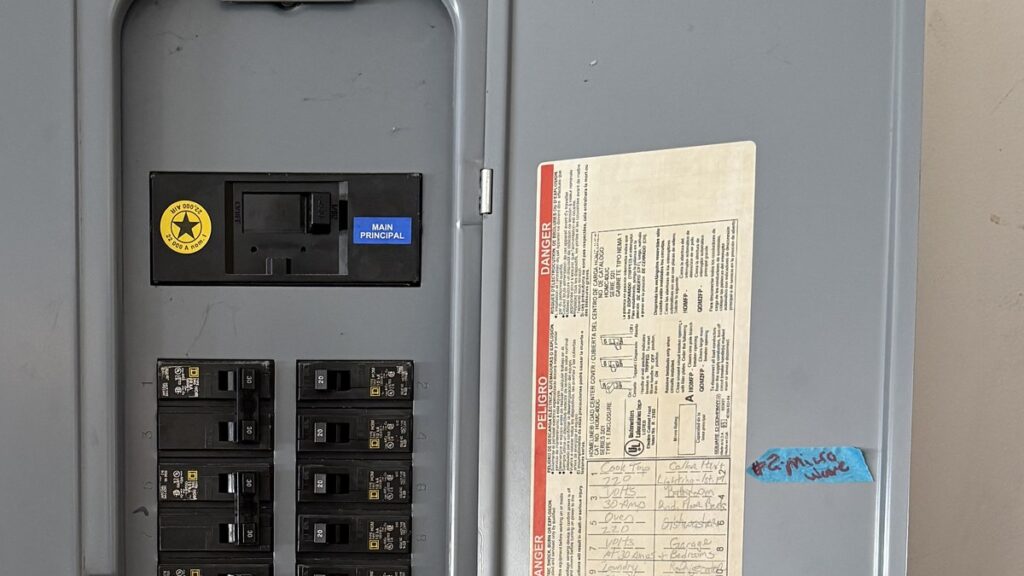
Search for panel prices and Google hands you a tidy national range, usually about $1,300 to $4,500. Then a Bay Area electrician walks your property. The number that comes back is $7,000, $9,000, sometimes more. Neither number is a lie. They are prices for two different jobs. The box answer prices a panel swap. The old cabinet comes off the wall and a new one goes on. But most electrical panel replacement cost quotes around Oakland, San Jose, and the East Bay are for a service upgrade. That is a bigger job. It rebuilds the link between your house and the utility grid. This guide walks through the gap piece by piece. You will see honest local ranges for each version of the job. You will see how PG&E fits into the schedule. You will learn why Federal Pacific and Zinsco panels change the talk entirely. And you will get the questions that keep a bid honest before you sign.
Photo: Famartin, CC BY-SA 4.0
Key Takeaways
- The number in the answer box mostly prices a like-for-like panel swap. In the Bay Area that job runs about $2,500 to $5,000. A full 100 to 200 amp service upgrade lands between $5,000 and $15,000, based on the feed and the wall.
- A service upgrade touches the meter, the main breaker, the grounding, and often the mast or the buried feed. That is why it costs two to three times what a swap costs. It is also why PG&E must be part of the schedule.
- Federal Pacific Stab-Lok and Zinsco panels get replaced, not repaired. Inspectors flag them. Many insurers will not write or renew a policy until they are gone.
- EV chargers, heat pumps, and induction ranges are why a 200 amp panel upgrade is now the default advice for older Bay Area homes. Load-sharing devices can sometimes put it off.
- Every honest panel job runs through a city permit and inspection. In California, anyone charging you for this work must hold a contractor license. You can check it online in seconds.
What This Guide Covers
- The Answer Box Prices a Swap, Not a Service Upgrade
- What Panel Work Really Costs Around the Bay Area
- How PG&E Sets the Pace on a Service Upgrade
- Federal Pacific and Zinsco Panels Change the Math
- EV Chargers and Heat Pumps Are Pushing Panels to 200 Amps
- The Cost Drivers Hiding Inside Every Panel Bid
- The Permit Path Every Bay Area Panel Job Follows
- Get a Straight Answer on Your Panel Before You Sign Anything
- FAQs
The Answer Box Prices a Swap, Not a Service Upgrade
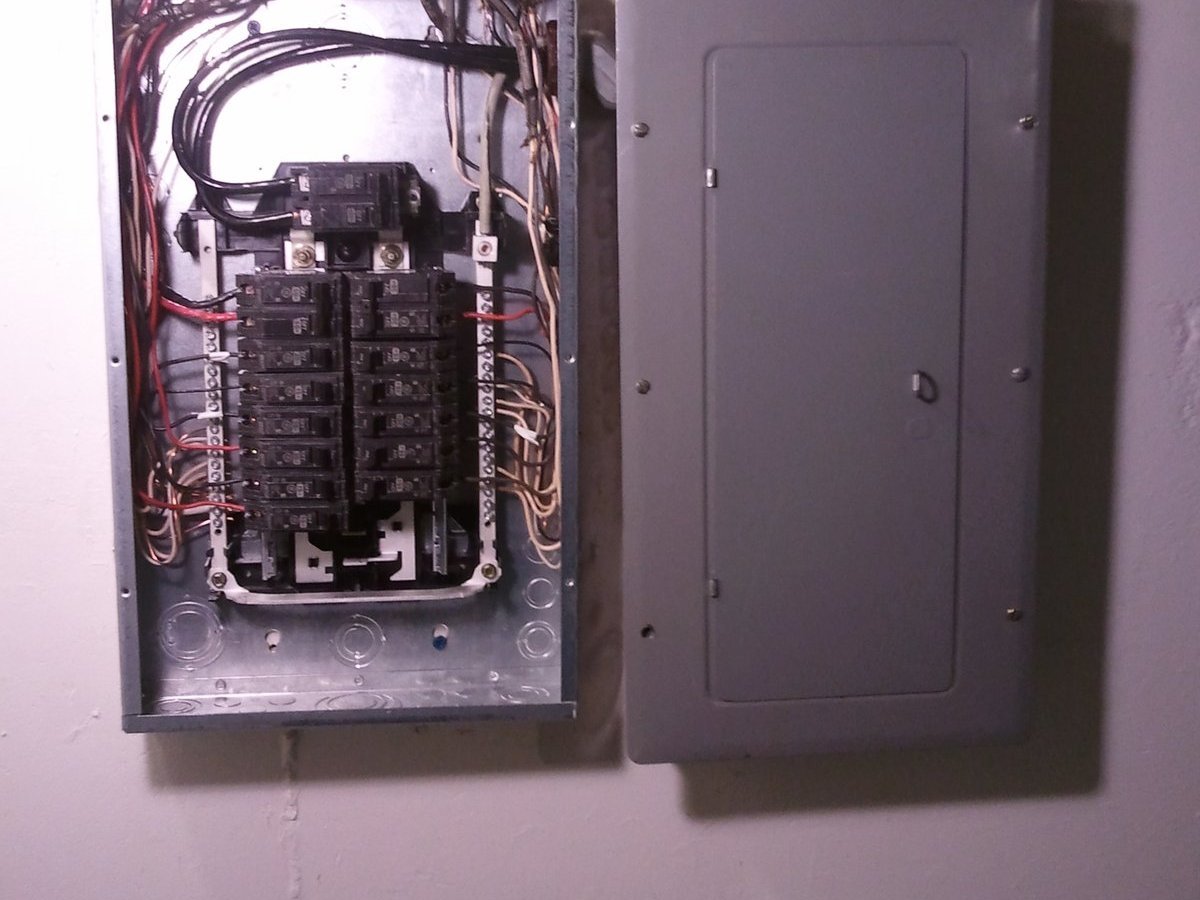
Here is the split that explains almost the whole gap. A panel swap replaces the breaker cabinet and the breakers inside it. The wire feeding the panel stays. The meter stays. The amperage stays the same. It is real work, but it is contained work. It usually takes one day with the power off.
A service upgrade is a different animal. Say a home moves from 100 amps to 200 amps. The panel is only one part of what changes. The service wires, the meter socket, the main breaker, and the grounding all get rebuilt to carry the larger load. If the feed comes in overhead, the mast on the roof often needs work too. If it comes in underground, digging can enter the picture. And the utility has to shut off your service, then turn it back on, on its own schedule.
The national averages behind the answer box blend thousands of simple swaps from cheaper markets. Bay Area homes calling for panel work today usually have a reason. They are adding an EV charger, a heat pump, or an ADU. Or an inspector flagged a hazard brand. Those cases almost always mean the bigger job. Search the phrase yourself and look at the top results. You will find homeowners sharing real quotes at nearly double the top of the box range. They were not overcharged. They were quoted for a service upgrade in one of the priciest trade markets in the country.
What Panel Work Really Costs Around the Bay Area
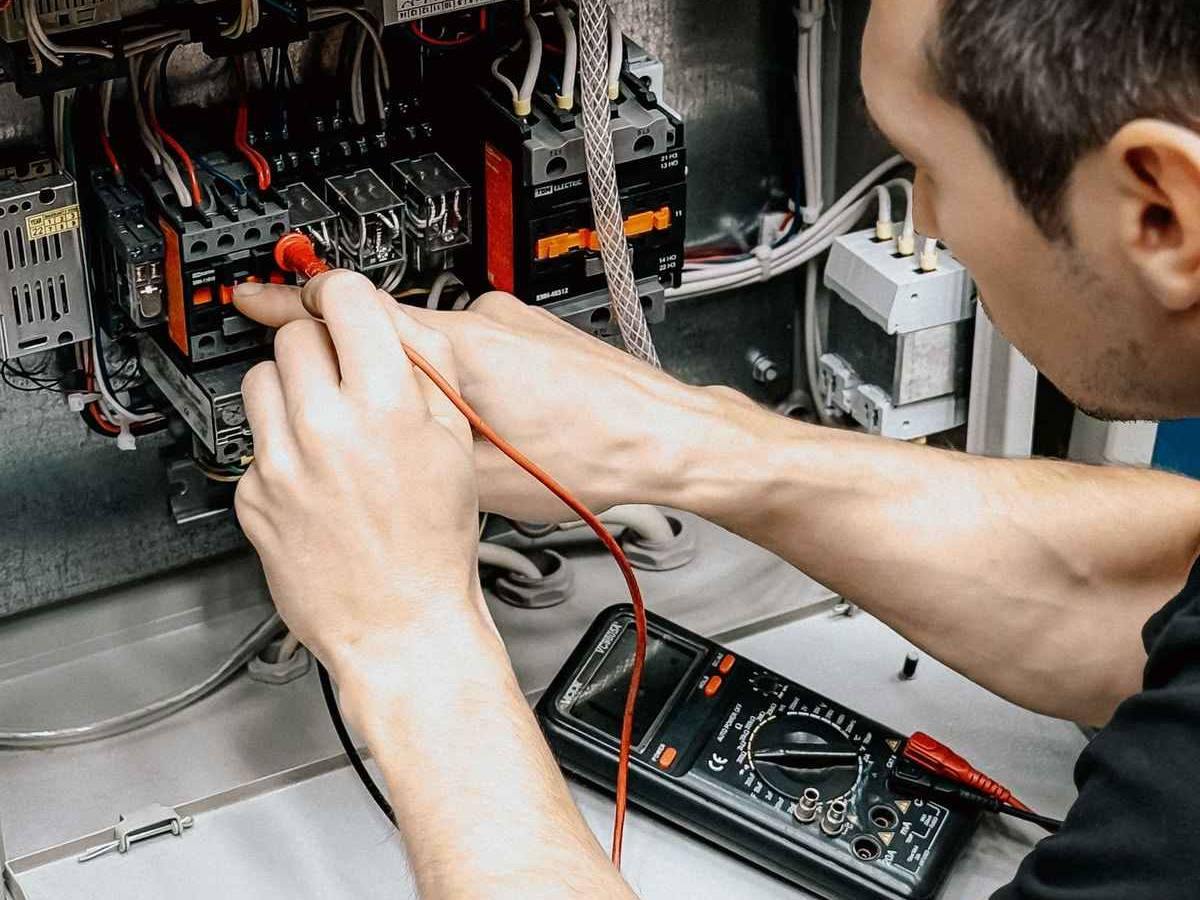
Treat the numbers below as planning ranges, not quotes. They reflect what panel bids commonly look like across Alameda, Contra Costa, and Santa Clara County right now. Your own number depends on the feed type, the wall, the grounding, and your city’s fees.
Three local forces push these ranges above the national picture. First, licensed electrician labor here commonly bills at about $150 to $250 an hour. That is well above national rates. Second, the housing stock is old. A panel installed in 1962 rarely meets today’s grounding rules. So the crew brings decades of code changes up to date in one visit. Third, city fees here are real line items, not rounding errors. They vary widely from Berkeley to Fremont.
How PG&E Sets the Pace on a Service Upgrade
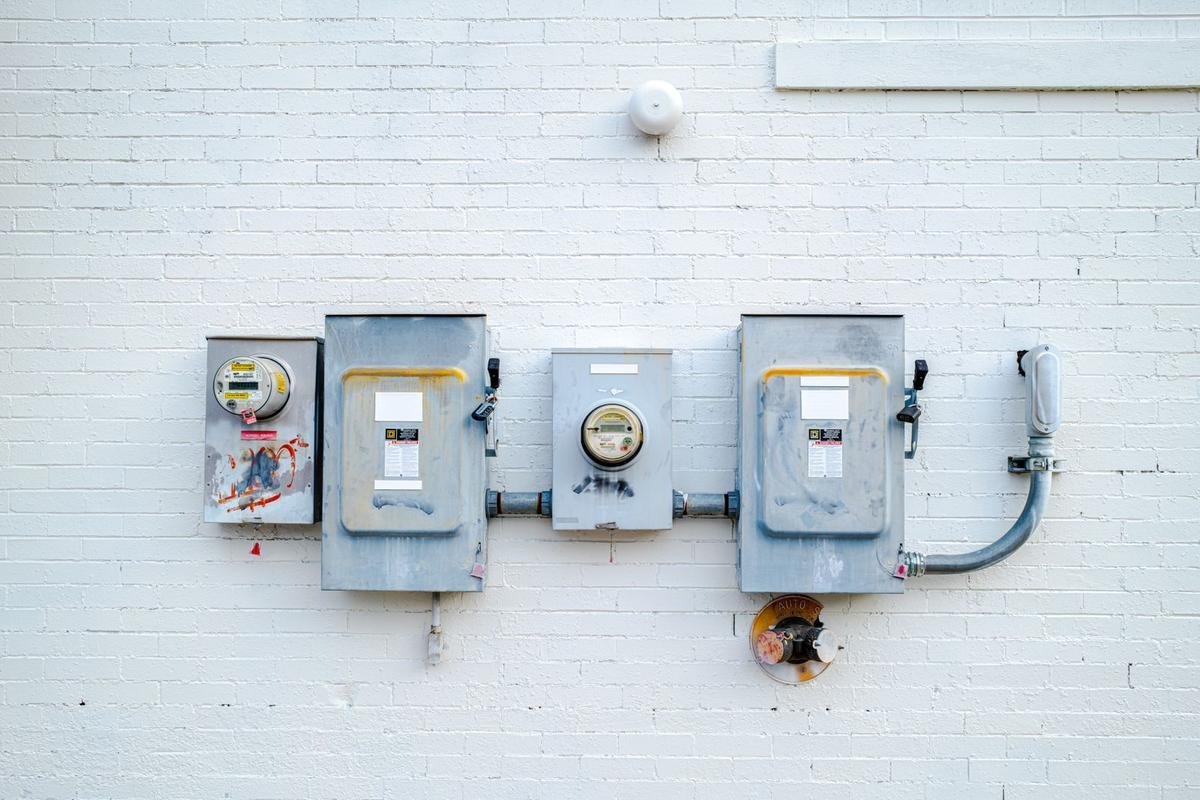
On a swap, your electrician controls the schedule. On a service upgrade, PG&E does. The utility owns the meter and the service wires. So it has to shut the house off before the main gear is rebuilt. Later, its own crew turns the power back on. That makes the utility a project partner, whether you like it or not.
PG&E’s own guidance on its building and renovation service page says to connect early in the project. It states that within five business days of applying, you get a dedicated PG&E contact. Eligible home projects up to 320 amps can use its faster Express Connect path. Those are the paperwork steps. Field crew scheduling is its own queue. In busy periods, that queue, not the electrical work, is the slowest part of the project. State regulators take this seriously. If your power hookup runs past PG&E’s published maximum targets, you can file a delay report with the CPUC.
For your budget, the utility step matters in two ways. Your contractor prices the PG&E paperwork, the site visits, and the shutoff window into the bid. And your household plans around a day without power. Some homes need a small generator for that day, for medical gear or a fridge full of medicine.
Federal Pacific and Zinsco Panels Change the Math
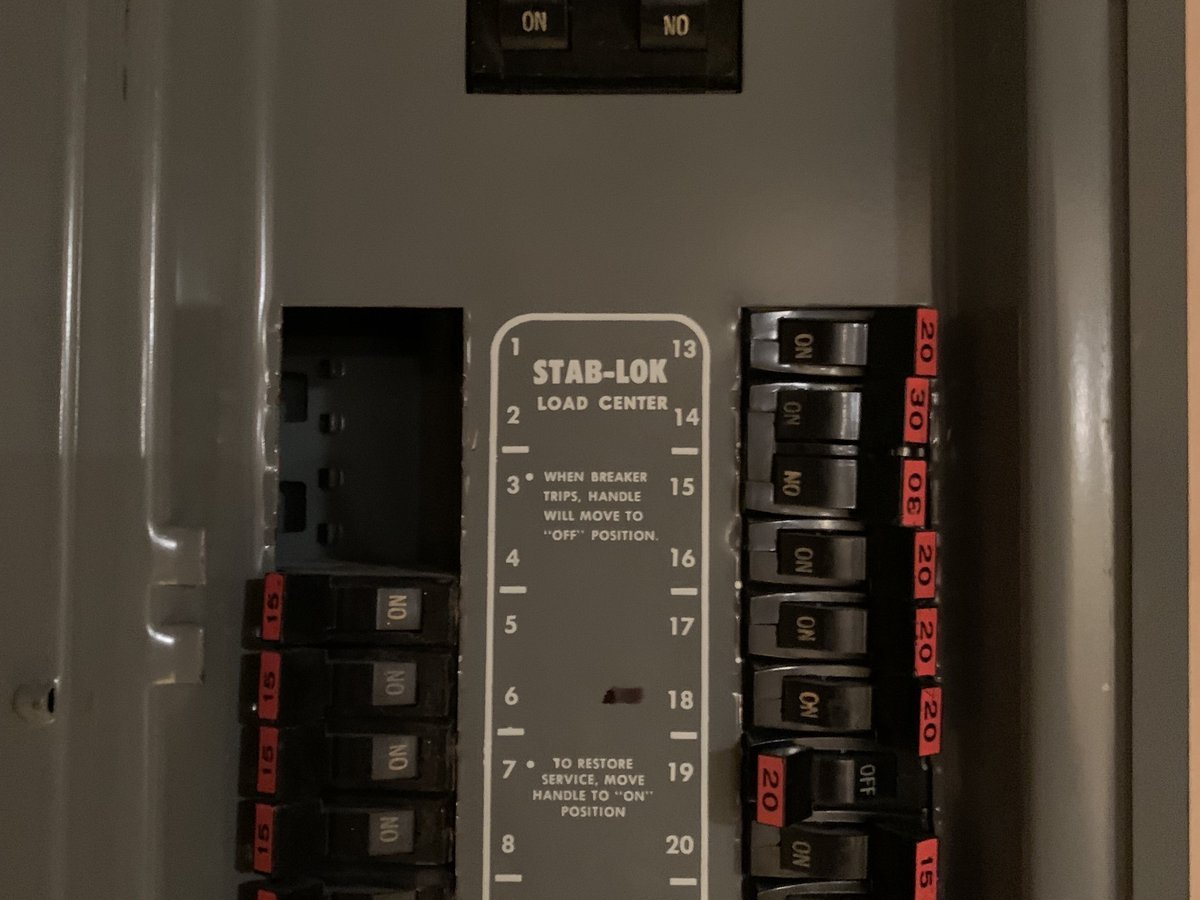
Open the door of your panel and read the label. Does it say Federal Pacific Electric, Stab-Lok, or Zinsco? Then the cost question changes from whether to upgrade to when. These two brands went into huge numbers of homes from the 1950s through the early 1980s. That is why the phrase federal pacific panel still gets searched thousands of times a year.
The worry with Federal Pacific Stab-Lok gear is simple. Home inspectors and testing over decades report that these breakers can fail to trip under overload. A breaker that does not trip is not protecting the wire behind your walls. The federal Consumer Product Safety Commission looked into the breakers in the early 1980s. It closed the case without a final ruling either way. That is why careful electricians call the risk well documented rather than officially settled. Zinsco panels have their own pattern. Their aluminum contact bars corrode, and breakers can overheat where they connect.
Two things follow in practice. Inspectors flag both brands in almost every home sale. The panel becomes a bargaining chip the moment you list the house. And many insurers now ask for the panel brand on applications. Some refuse or surcharge coverage until the panel is replaced. These homes are older, so replacement usually rolls into a full 200 amp panel upgrade rather than a swap. That is why the range in the table starts near $4,000 rather than $1,300. Homes of this age often predate earthquake bolting too. If you are budgeting safety work on an older East Bay house, our seismic retrofit cost guide pairs naturally with this one.
EV Chargers and Heat Pumps Are Pushing Panels to 200 Amps
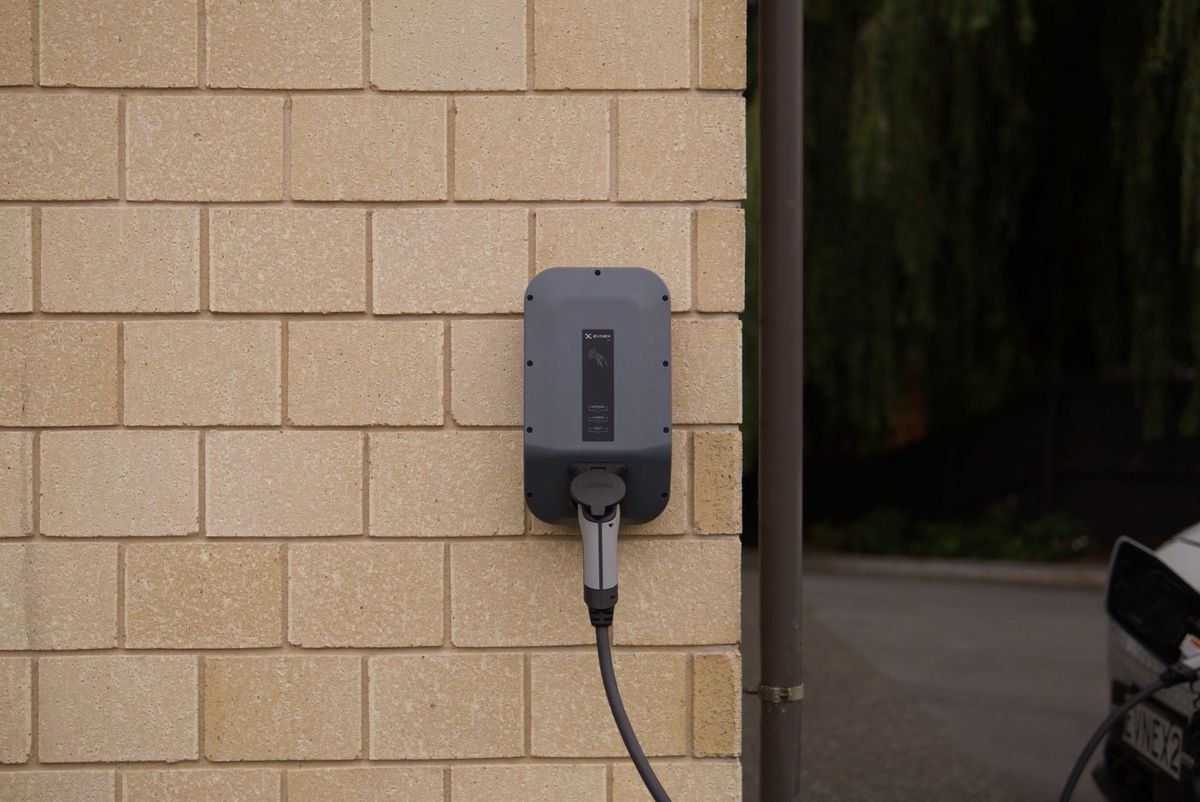
For fifty years, 100 amps ran a gas-heated Bay Area home just fine. Going electric is what broke that math. A Level 2 EV charger draws 32 to 48 amps, nonstop, for hours. A heat pump swaps a gas furnace for an electric load. An induction range and a heat pump water heater each claim another large circuit. Stack two or three of those on a 100 amp service. The load math an electrician runs under the code simply stops adding up.
That math, not salesmanship, drives the 200 amp advice. The electrician adds up your square footage, your fixed appliances, and your new loads under the code formula. The result either fits inside your service size or it does not. California’s Title 24 energy code pushes new homes toward all-electric designs. Older homes follow the same path every time a gas appliance dies and an electric one replaces it. This is why the electrical panel upgrade cost talk so often starts in the garage, next to a new EV.
Honesty requires the other side of this. Is your panel healthy, and are you only adding a charger? Then you may not need the upgrade at all. Load-sharing devices can pause a charger while the dryer or range runs. That lets a 100 amp service carry a Level 2 charger legally. It is a truly cheaper path. It costs a few hundred dollars in gear instead of thousands. The trade-off is slower charging on heavy-use evenings. A contractor who never mentions that option is not showing you the whole menu. Our electrical and lighting team installs both. That is exactly why we bring it up before quoting the bigger job.
The Cost Drivers Hiding Inside Every Panel Bid
Two neighbors with the same size house can get panel bids thousands of dollars apart. Both bids can be fair. These four site conditions are usually the reason.
1. Overhead Versus Underground Service Feeds
How Your Home Receives Power
Every house takes power one of two ways. Either an overhead line drops from a pole to a mast at the roof, or a buried line rises into the meter panel from below. You can spot your own type from the sidewalk in ten seconds. It is the first thing an estimator looks at.
Why Underground Feeds Cost More
An overhead upgrade mostly means mast and wire work in open air. A buried feed can hide old conduit that no longer meets the rules. In the worst case, the crew digs through landscaping or concrete. That digging is where five-figure quotes are born.
What to Check Before Bidding
Ask each estimator whether the existing buried conduit can be reused. Then ask what happens to the price if it cannot. Get that answer in writing up front. It is the difference between a firm bid and an open-ended one.
2. Moving the Panel to a New Wall
When the Panel Has to Move
Panels tucked inside bedroom closets or bathrooms are common in mid-century homes. Today’s rules on working space and location forbid those spots. When the old spot is illegal, the new panel cannot go back there. The job quietly becomes a move.
The Hidden Wall and Wiring Work
Move a panel and every circuit in the house has to reach the new spot. Crews extend dozens of wires through junction boxes or new runs. Then they rebuild the wall around the old opening. The electrical work is often the easy half of a move.
How to Keep Relocation Affordable
The cheapest legal spot is usually the outside wall right behind the current panel. That lets the circuits pass straight through. Ask about that option first, before agreeing to a longer move across the house.
3. Grounding and Bonding Corrections
What Modern Grounding Requires
Today’s code expects ground rods driven at the service. It expects a bonded link to your water piping. It expects properly sized ground wires. This is the safety net that gives a fault current somewhere harmless to go.
Why Old Homes Fail This Check
A house wired in the 1950s may have nothing but a rusty clamp on a water pipe. That pipe may have been swapped for plastic decades ago. The flaw stays invisible until the panel is opened. That is why it shows up in change orders instead of bids.
The Inspection Consequence to Expect
No Bay Area city inspector will sign off a new service on a bad ground. Assume a few hundred dollars of grounding work on any home older than about forty years. A bid that lists it up front is a mark of honesty, not padding.
4. Stucco, Drywall, and Paint Repairs
The Opening the Work Leaves Behind
A new panel or a moved meter rarely matches the footprint of the old one. What remains is exposed stucco, cut drywall, or a visible patch outline on the wall of your home.
Why Finish Repairs Surprise Homeowners
Electrical contractors quote electrical work. Many bids leave out patching entirely, or include only a rough fill. Texture matching and paint fall to you. On a stucco wall, a clean color-matched repair is skilled trade work in its own right.
Questions That Keep Bids Honest
Ask each bidder to state, in writing, whether patching, texture, and paint are included, excluded, or handled by a sub. Comparing two bids without that answer means comparing two different scopes that happen to share a number.
The Permit Path Every Bay Area Panel Job Follows
Every honest panel replacement follows the same steps. Your contractor pulls an electrical permit from the city. The work is performed. A city inspector checks the install, the grounding, and the labels. On a service upgrade, the city then releases the meter so PG&E can restore power. Skipping a step does not just risk a fine. Unpermitted panel work surfaces when you sell the house. It gives your insurer an argument after a fire. And it usually has to be opened up and redone under a real permit anyway.
Fees and friction vary by city. Oakland, San Jose, and Berkeley each set their own permit and plan-check fees. Some cities want the load math filed with the application. Others check it in the field. Your contractor should know the local counter by name. In California, anyone charging more than a token amount for this work must be licensed. You can check any license number in seconds through the Contractors State License Board lookup. Top Tier Building Services carries CSLB license #1146790. We list it because checking should be step one with any bidder, including us.
Get a Straight Answer on Your Panel Before You Sign Anything
The gap between the number Google showed you and the quote in your hand is not a markup mystery. It is the difference between a swap and a service upgrade. It is priced in one of the country’s most expensive trade markets. And a utility and a city inspector each hold part of the schedule. The way to buy this work well is simple. Make every bidder name their scope, their PG&E plan, their permit, and their patching, in writing. Then you are comparing the same job.
Top Tier Building Services handles electrical panel upgrades, dedicated circuits, and EV charger wiring across the East Bay and the greater Bay Area. We are licensed, bonded, and insured under CSLB #1146790. Want a panel assessment that tells you which job your home actually needs, the smaller one included? Reach out for an estimate or call 510-470-1870. We would rather explain the cheaper option you qualify for than sell you the bigger one you do not need.
If the wiring itself is the older half of the problem, our companion guide on the cost to rewire a house walks through that side of the decision.
FAQs
Can I upgrade my electrical panel without rewiring my house?
Yes, in most homes. The panel and the wiring in your walls are separate systems. During an upgrade, your circuits are unhooked from the old panel and landed on new breakers in the new one. The wiring inside the walls stays put. Rewiring only enters the picture when the wiring itself has a problem. Worn insulation, damaged knob-and-tube runs, or circuits an inspector flags as unsafe are the usual triggers. A good electrician checks for that during the estimate. So you know before work starts whether you face one project or two.
How long does an electrical panel replacement take?
A like-for-like swap usually takes one working day, with the power off for most of it. A full service upgrade takes one to three days of on-site work. The calendar time is longer, though. PG&E’s paperwork and power-restore windows wrap around the construction. From signed contract to restored power, several weeks is a normal plan for a Bay Area service upgrade.
Do I need a permit to replace an electrical panel?
Yes, everywhere in the Bay Area. Panel replacement is permit work in every local city and county. A service upgrade also needs utility coordination and a meter release after inspection. The permit protects you. It puts a city inspector’s eyes on the grounding, the connections, and the labels before the walls close and the power comes back on.
How do I know if I have a Federal Pacific or Zinsco panel?
Open the panel door and read the label inside. Federal Pacific panels usually say Federal Pacific Electric or FPE, with the words Stab-Lok on the label. The breakers often have red stripes on the handles. Zinsco panels carry the Zinsco or Sylvania-Zinsco name. Their breaker handles often come in blue, red, and green. If the label is missing or unreadable, take a photo of the panel interior. That is usually enough for an electrician to name the brand.
Is a 200 amp panel upgrade worth it if I do not own an EV yet?
If your panel is a flagged hazard brand, yes. Replace it regardless. Otherwise it depends on your timeline for going electric. Doing the upgrade once, sized for the loads you expect within ten years, is far cheaper than upgrading twice. Is a heat pump, an induction range, or an EV anywhere in your plans? Then sizing to 200 amps now is usually the smart money. If none of that is coming and the panel is healthy, the honest advice is to keep your cash.
Does homeowners insurance pay for electrical panel replacement?
Generally no. A planned upgrade is a home improvement, not a covered loss. Policies do not pay for it. Insurance enters the picture as pressure instead. Carriers increasingly ask about panel brands and amperage when you apply or renew. A flagged panel can hold up coverage until it is replaced. So replacing a hazard panel is often what keeps a policy alive, not something the policy pays for.