
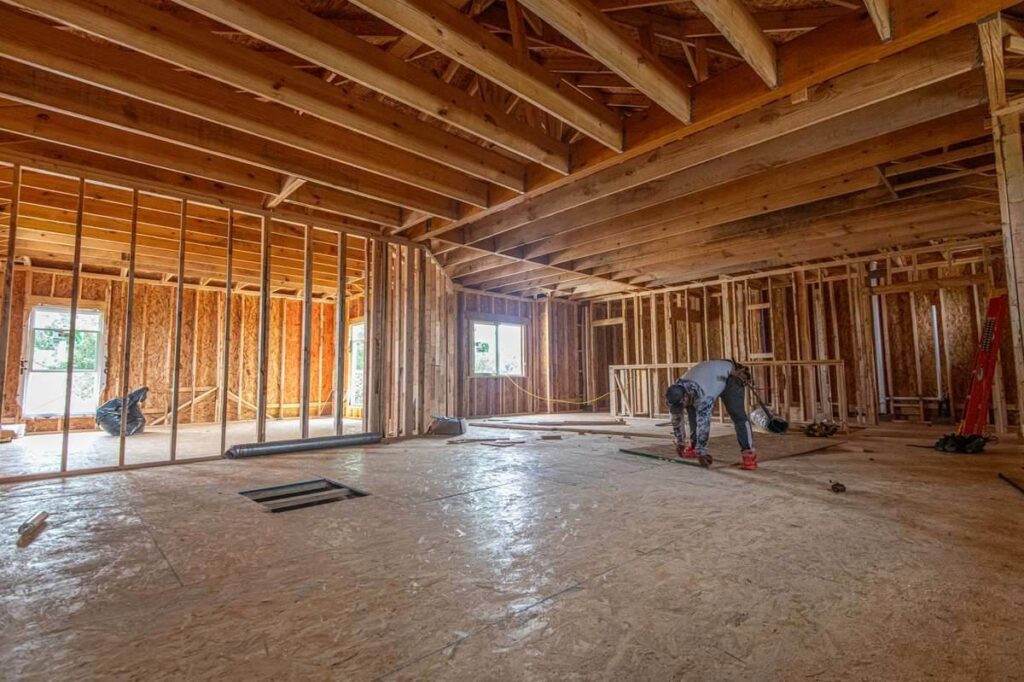
Ask Google what a new subfloor costs and you get a tidy answer. National data puts subfloor replacement cost at $3 to $10 per square foot installed. Most whole-room projects land near the $1,560 national average, according to cost-guide data from Angi. Now scroll one result down. Homewyse prices subfloor repair at about $26 to $45 per square foot. Same floor. Same search. One number is roughly ten times the other.
Neither source is wrong. They are pricing two different jobs. The honest answer to which job is yours sits under your finished floor, where nobody can see it until demo day. We open up floors across the East Bay every week. The bid that survives contact with the framing is always the one that priced the unknowns up front. This guide shows what really sets the number, what water damage and bathroom rot add, and when a repair truly beats a tear-out.
Key Takeaways
- Straightforward subfloor replacement runs $3 to $10 per square foot installed. A typical whole-room project lands near the $1,560 national average.
- Small repairs cost far more per square foot, often $26 to $45. Setup, demo, and finish-floor work get spread over very few feet.
- Rot or joist damage found after demo can add $10 to $25 per square foot. An honest bid carries a written allowance for it.
- Water damage is never just a decking problem. Until the leak itself is found and fixed, any new subfloor is temporary.
- Repair wins when damage is local, the joists are sound, and the leak is gone. Sponginess across whole rooms means replace.
What This Guide Covers
- Why One Search Shows Two Wildly Different Numbers
- What Subfloor Replacement Costs by Scenario
- The Cost Drivers Hiding Under Your Floor
- Water Damage Rewrites the Whole Estimate
- What a Rotted Bathroom Floor Costs to Fix
- When a Repair Beats a Full Replacement
- How Pros Find the Real Extent Before Quoting
- Permits and What Local Rules Add
- Get a Number Backed by What Is Actually Down There
- FAQs
Why One Search Shows Two Wildly Different Numbers
The gap between $3 and $45 per square foot is not a data error. It is two different jobs wearing the same name. Replacement pricing assumes an open room. A crew strips the deck, lays full sheets fast, and spreads its setup time across hundreds of square feet. Repair pricing assumes the opposite. The crew cuts out one bad patch and works around cabinets and fixtures. It removes and reinstalls the finished floor above. The same drive time and cleanup get spread across thirty square feet instead of three hundred.
There is a second reason no online number can be your number. Cost sites price the work you can see. A contractor prices what the demo will show. Subfloor damage almost never stops at the edge of the soft spot. Rot follows the moisture. Moisture travels along pipes and wall framing, far past where the floor feels bad underfoot. So the real question is not what a subfloor costs per square foot. It is how many square feet, in what shape, over what kind of framing.
Treat every range in this guide the way a contractor does. It is a starting bracket, not a quote. Your number firms up the day the floor is open. The rest of this guide makes sure nothing found that day is a surprise you have not already priced.
What Subfloor Replacement Costs by Scenario
National figures give you the bracket. The scenarios below show how size and condition move you inside it. The rate per square foot falls as the area grows. It climbs sharply the moment hidden damage joins the job.
Metro labor tilts every row upward. Cost databases put big-metro rates 10 to 20 percent above the national average. Skilled-trade hours in Oakland, Fremont, or San Jose sit at the high end of that spread. The materials barely move. The hours do.
The Cost Drivers Hiding Under Your Floor
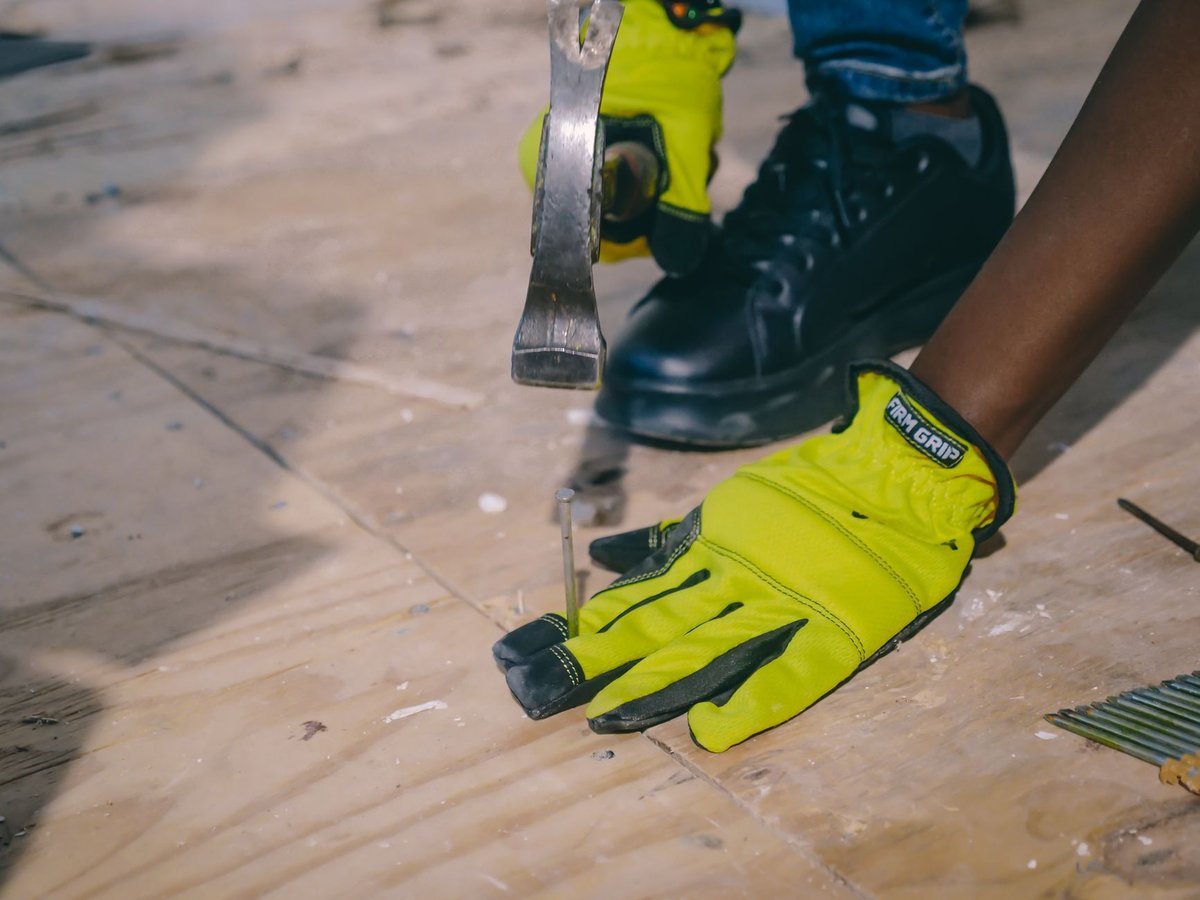
Six things decide where your project lands. Five of them are invisible before demo. Here is each one, and the money attached to it.
How Far the Rot Has Spread
The Demo Sets the Scope
Decay follows moisture along wall framing and pipe runs. The damaged area a crew uncovers is routinely larger than the soft spot you can feel. Good contractors price the visible area first. Then they state, in writing, what each added sheet of bad decking will cost. The floor decides the final scope, not the estimate.
Whether the Joists Still Hold
Structure Costs More Than Decking
Decking is a lid. Joists are the structure under it. When a screwdriver sinks into one, the job changes category. Fixing rotten framing adds roughly $10 to $25 per square foot on the affected area. Badly decayed joists can mean bolting new lumber alongside the old, a practice called sistering, plus a building permit before anything closes up.
The Leak That Started It
The Moisture Source Is Its Own Project
Subfloors do not fail dry. A supply line, a failed wax ring, a shower pan, or damp crawl-space soil put the water there. That fix is a separate trade with its own bill. Skipping it is the most expensive shortcut in flooring. It guarantees you will buy this same repair twice.
The Decking Material You Choose
Plywood, OSB, and Upgrade Panels
Standard plywood runs about $1.50 to $3.50 per square foot in material. OSB, a panel made of pressed wood strands, spans roughly $1.40 to $4.50. Moisture-resistant panel systems for wet-prone rooms reach $10. OSB is a fine deck kept dry. Its edges swell when soaked, which matters most in the rooms where subfloors actually die.
The Finished Floor Above It
Removal and Reinstall Ride Along
Nobody replaces a subfloor for its own sake, so the bid always carries the floor above. Tearing out old tile runs $2 to $7 per square foot before the new finish goes down. On a tiled bath, the finish work can outgrow the subfloor line itself. Our guide to the cost to install tile floor breaks down that half of the bill.
Room Size and Access
Small Rooms Price Higher Per Foot
A crew’s drive, setup, protection, and cleanup cost the same for 40 square feet as for 400. So a tiny bathroom carries the highest rate per foot in the house. Add a toilet and vanity that must come out and go back, and the smallest room produces the least intuitive bid.
Water Damage Rewrites the Whole Estimate
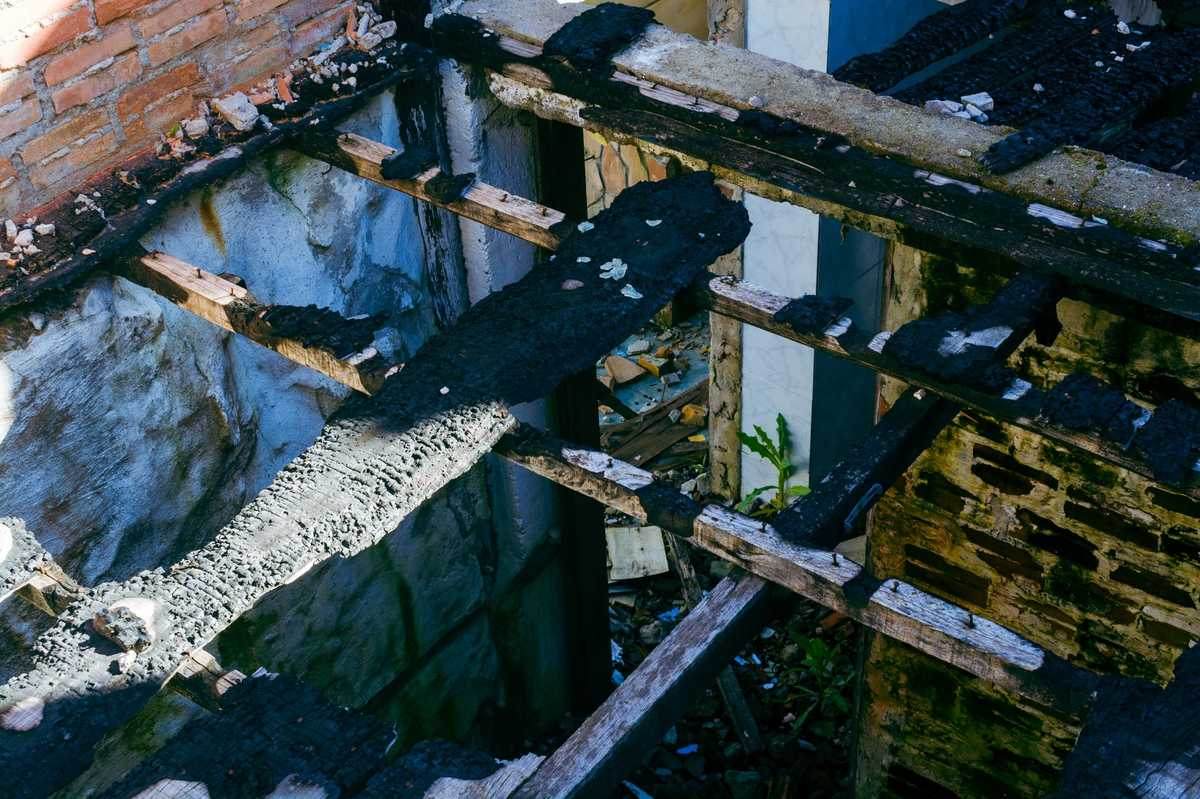
The moment water is the cause, the project stops being carpentry and becomes a sequence. Stop the water. Dry the structure. Deal with any mold. Only then rebuild. Each step has its own cost. Skipping one wastes the money spent on the rest.
The mold step has a bright line worth knowing. The EPA’s mold cleanup guidance says areas under about 10 square feet are generally a job a homeowner can handle. Anything larger calls for professional cleanup. Under a floor, growth is usually found late. That is how a decking swap quietly becomes a mold job with a rebuilt floor at the end of it.
Speed is the one lever you fully control. A burst-pipe floor opened and dried within days often keeps its framing. The same water ignored for a season grows the damaged area, moves into joists, and multiplies the bill. Slow leaks are the quiet budget killers. They are also the ones insurers look hardest at. Sudden accidental damage is commonly covered. Long-term seepage often is not. Read your own policy before you assume either way.
What a Rotted Bathroom Floor Costs to Fix
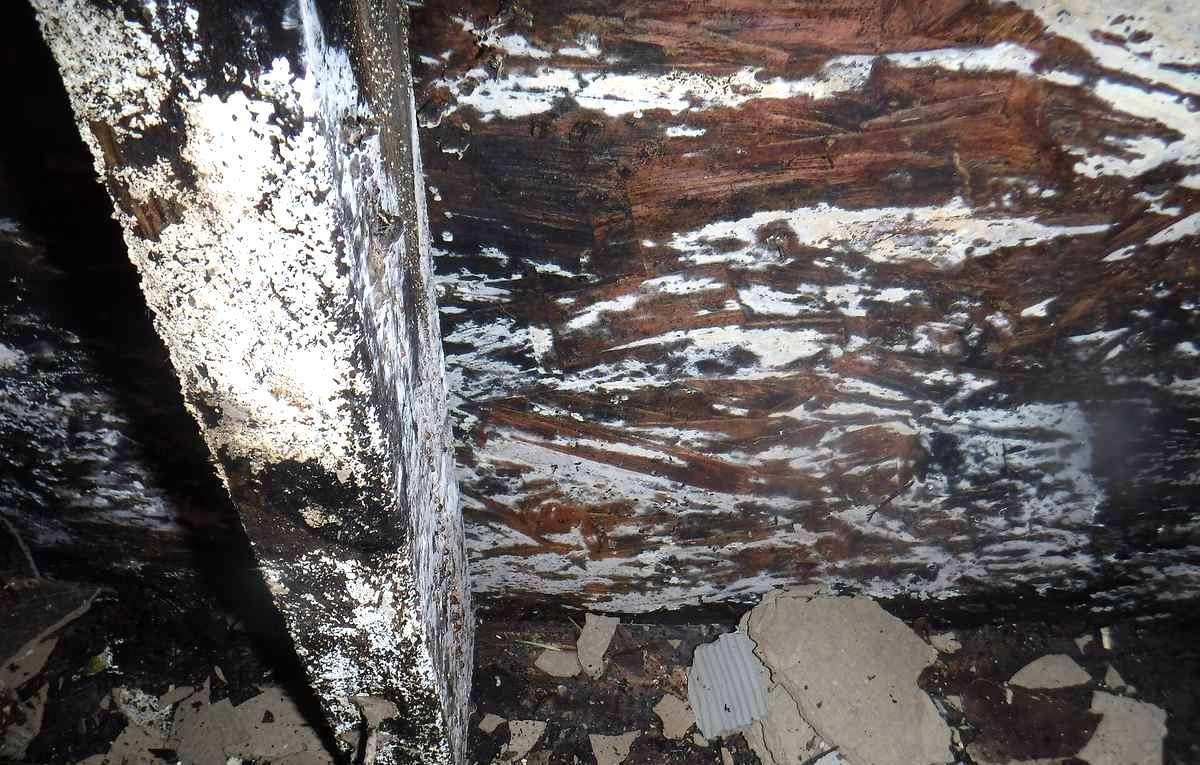
Bathroom subfloors fail more than every other room combined, and they usually fail the same way. A wax ring or flange at the toilet seeps slowly. The decking around it softens. By the time the floor feels spongy, the rot has had months. Vinyl curling at the tub and grout lines going dark are the same story told earlier.
The repair spans a wide band because the discovery does. Softness caught early can mean cutting out a patch of decking and resetting the toilet for a few hundred dollars to around $1,500. Let it run and the job grows into joist repair, a new flange, moisture-rated underlayment, and a re-tiled floor. Multi-thousand-dollar totals become normal then, especially at Bay Area labor rates. In the older housing around Berkeley and Alameda, we also find rot sharing the framing with termite damage, since both follow the same moisture. If the demo turns up chewed wood next to the soft wood, our guide to termite treatment cost covers that fork in the project.
When a Repair Beats a Full Replacement
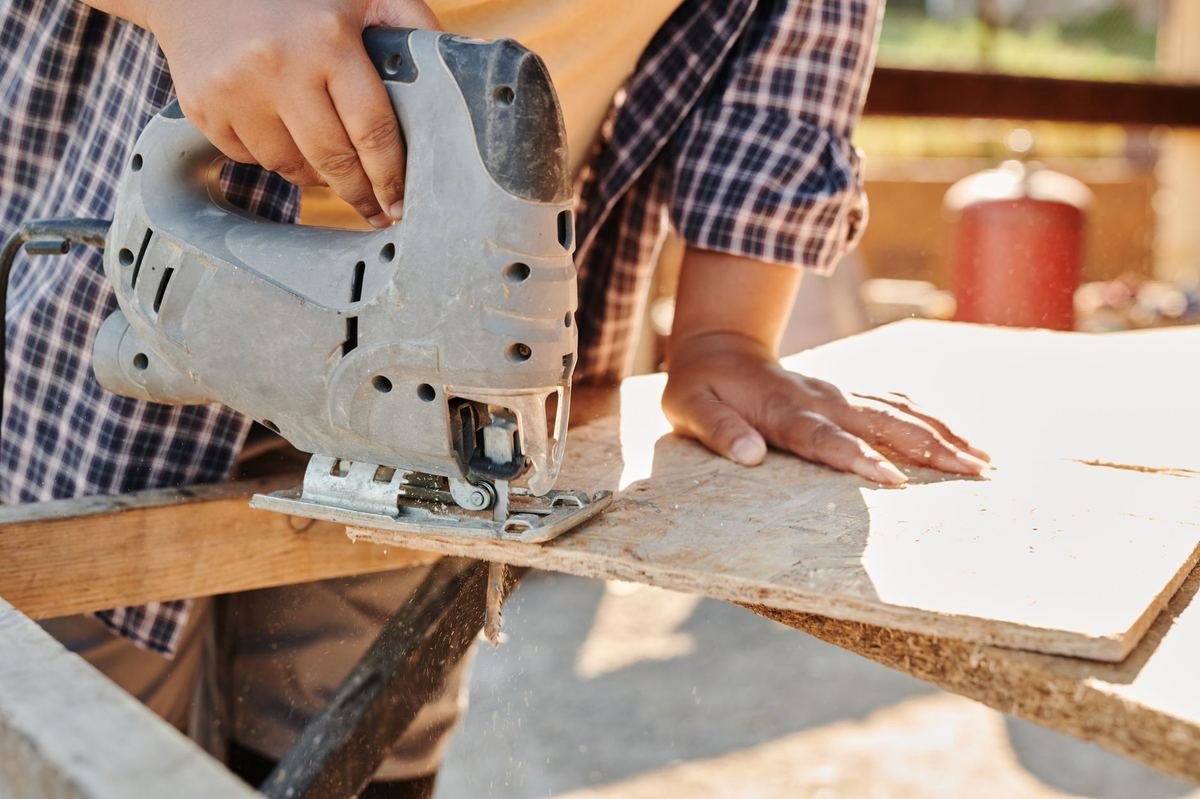
Repair wins when three things are true at once. The damage is local, one soft area with firm floor around it. The joists underneath take a screw and hold it. And the moisture source is found and already fixed. Meet all three and a patch is honest work, not a shortcut, even at the $26 to $45 per square foot that small jobs cost. Cutting out thirty bad feet still beats re-decking a room by a wide margin.
Replacement wins when the problem is everywhere. Sponginess in more than one room. A bouncy feel across long spans. Seams showing through the finish floor. Decking that crumbles at the cut line. All of it says the deck is done, not dented. Patching a failing deck one soft spot at a time is the most expensive way to buy a new subfloor. Each visit re-pays the same setup, demo, and finish-floor costs, and the next soft spot is already forming.
One craft detail separates a patch that lasts from one that squeaks. New decking must land on joist centers or on added blocking, matched to the old deck’s thickness, then glued and screwed. A patch that floats on cut edges becomes the squeak you hear in a year. That is a $200 problem wearing a $2,000 disguise.
How Pros Find the Real Extent Before Quoting
You cannot price what you have not measured. A diagnostic visit is what separates a real bid from a guess. A moisture meter does the honest talking. Framing in a healthy floor usually reads from single digits to the low teens. Sustained readings around 20 percent and above are where decay fungi get to work. Metering outward from the damage maps how far the moisture traveled, before a single board is lifted.
The rest is old-fashioned. A probe with an awl finds wood that has lost its strength under a sound-looking surface. Where homes have a crawl space, as much of the East Bay’s older housing does, the underside of the floor can be checked directly. Staining on the bottom of the decking often tells the story the top hides. Homes on a slab give up their secrets less easily. That is one more reason the written allowance matters.
Permits and What Local Rules Add
Swapping decking like-for-like is generally treated as repair work. The moment joists are cut, sistered, or replaced, the project is structural. Bay Area building departments commonly require a permit for structural repairs. The rules and fees differ from Oakland to San Jose to Castro Valley. So the right move is a call to your city’s building department before demo, not after. A contractor who shrugs at that call is telling you who will hold the liability later. It is not them.
California adds two protections worth using. Any job of $1,000 or more, and any job that needs a permit, must be done by a licensed contractor. You can check any license on the CSLB site in under a minute. State law also caps the down payment on a home improvement contract at $1,000 or 10 percent of the price, whichever is less. A subfloor bid that opens with a request for half up front is out of step with the law before the first board is lifted.
Get a Number Backed by What Is Actually Down There
Every range in this guide narrows to one number the day your floor is open. The crew standing in it should be one that priced the unknowns before demo, not after. Top Tier Building Services repairs and replaces subfloors as part of our flooring work across the East Bay and greater Bay Area, with moisture testing and written allowances as standard practice. We are licensed (CSLB #1146790), bonded, and insured. Reach out for a free estimate and get a bid that already knows what a soft floor can hide.
Featured photo by Ryan Stephens via Pexels.
FAQs
How much does it cost to replace a subfloor?
Straightforward replacement runs $3 to $10 per square foot installed, and a typical whole-room project lands near the $1,560 national average. The range moves with decking material, old-floor removal, and what the demo uncovers. Rot or joist damage adds $10 to $25 per square foot on the affected area.
What is the subfloor replacement labor cost on its own?
National figures put installation labor around $2.40 to $4 per square foot, plus roughly $0.75 to $1.60 to remove the old decking. High-wage regions run above that band. Bay Area trade rates typically add 10 to 20 percent or more over national averages, so labor, not material, carries the local premium.
How much does water damage subfloor repair cost?
Plan for a sequence, not one line. Fixing the leak, drying, and any mold work come first. Then decking repair runs $26 to $45 per square foot for small areas, plus $10 to $25 per square foot where rot reached framing. Fast response is the biggest cost saver, because the damaged area grows with time.
What does it cost to repair a rotted bathroom floor?
Caught early, cutting out soft decking around a toilet and resetting it often runs a few hundred dollars to about $1,500. Once rot reaches joists or the flange, expect joist repair, moisture-rated underlayment, and refinishing. That pushes totals into the multiple thousands, especially in high-labor-cost metros.
How can I tell if my subfloor needs replacing instead of repair?
Local softness with firm floor around it, sound joists, and a fixed leak point to repair. Bounce across long spans, sponginess in more than one room, seams showing through the finish floor, or decking that crumbles when cut point to replacement. A sustained moisture reading near 20 percent signals active trouble.
Is it worth replacing a damaged subfloor?
Yes, when the damage is real, because everything above depends on it. Tile cracks, vinyl bubbles, and hardwood squeaks all trace back to a deck that moves. Skipping the subfloor to save money on the finished floor usually sacrifices that new floor within a few years, which is the most expensive way to save.