
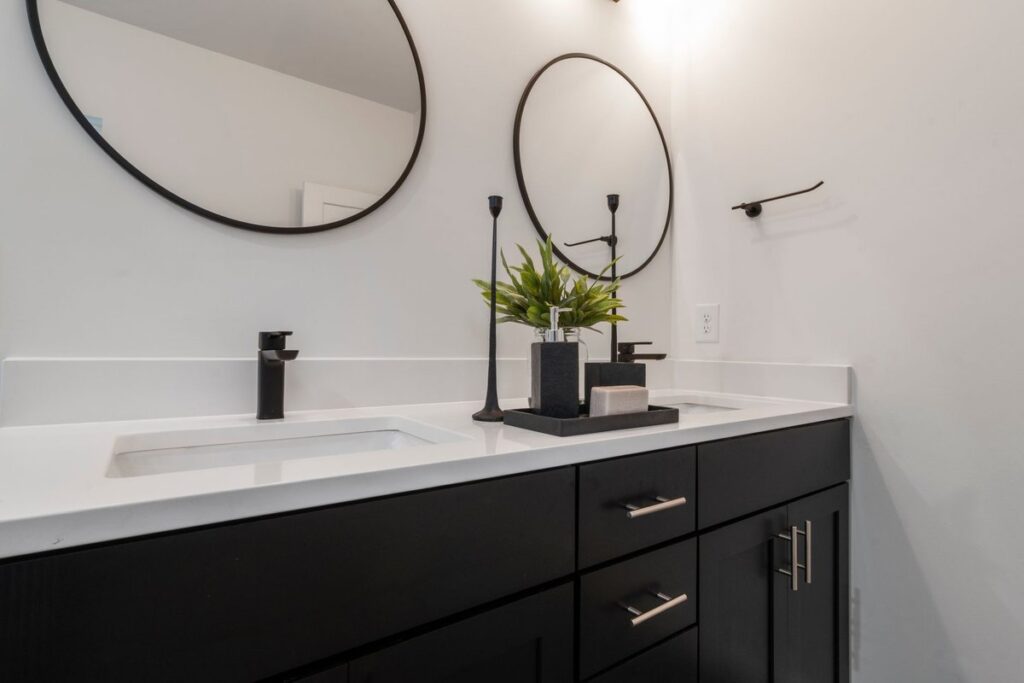
You found the vanity you love. Now you need to know what it costs to put it in. Here is the short answer for the bathroom vanity installation cost in the Bay Area. Published national cost guides put a simple same-spot swap with a stock vanity at about $608 to $918, and a full vanity, top, sink, and faucet job at about $800 to $2,200. Bay Area plumbers earn about 28% more than the national average. Scale those guides by that gap and you get roughly $880 to $1,430 for a simple swap and $1,020 to $2,820 for the full job. The math, and the sources, are in the first section.
Your own number can still land well outside those ranges, for a reason. The cabinet is the cheap, easy part to price. The real bill comes from what sits behind its doors. That means where the drain and water lines sit, how old the shutoff valves are, and what the wall and floor look like once the old unit comes out. It also depends on one quiet line. Some jobs need a permit and some do not, and crossing that line changes who may legally do the work. This guide walks through all of it, so the number you plan for is the number you pay.
Key Takeaways
- Scaled from national cost guides by the Bay Area wage gap, a same-spot swap with a stock cabinet works out to roughly $880 to $1,430. A new vanity, top, sink, and faucet together works out to roughly $1,020 to $2,820.
- Moving from one sink to two, or building in a custom or floating vanity, is a different job. Those cost more because pipes and walls change, and only an itemized quote can price the wall work.
- Most surprise costs live behind the old vanity. Seized shutoff valves, a stained wall, a floor gap, or soft wood from an old leak can each add hundreds of dollars.
- In many Bay Area cities, cabinets and countertops need no permit. Replacing hidden drain or water pipe usually does.
- Once a job needs a permit, a California handyman can no longer do it unlicensed, even under $1,000. In homes built before 1994, permitted work can also require water-saving fixtures home-wide.
- Compare quotes line by line. Two bids only match when both cover the same valves, wall repair, top, faucet, and haul-away.
What This Guide Covers
- What Bathroom Vanity Installation Costs in the Bay Area
- Four Different Jobs Hide Behind One Vanity Quote
- The Plumbing Behind the Doors Sets the Real Price
- What Shows Up When the Old Vanity Comes Out
- Bay Area Permit and Water Rules That Change the Bill
- When a DIY Vanity Swap Makes Sense and When It Does Not
- How to Get Vanity Quotes You Can Actually Compare
- Planning Your Vanity Project With Top Tier
- FAQs
What Bathroom Vanity Installation Costs in the Bay Area
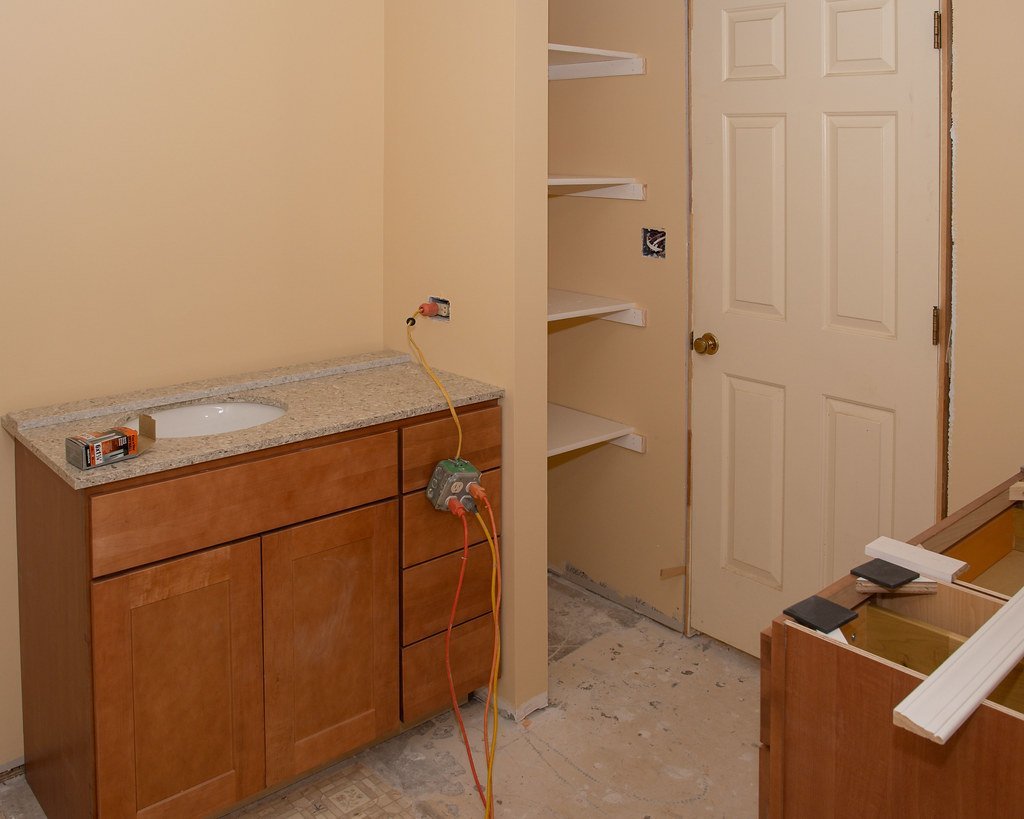
Start with a national baseline, then adjust it for where you live. The cost site Homewyse puts a basic vanity install at about $608 to $918 per vanity in September 2026. That figure covers a mid-range stock cabinet, labor, and supplies. It leaves out plumbing changes, wall or floor repair, permits, and contractor overhead. Homewyse says overhead alone adds 13% to 22%.
Bay Area labor costs more, and federal wage data shows how much. In May 2025, plumbers around San Francisco, Oakland, and Fremont averaged $44.41 an hour, per the Bureau of Labor Statistics. The national average was $34.70. That is about 28% more. Carpenters here earned about 37% more than the national average. Here is the math. Add overhead to the Homewyse range and you get about $687 to $1,120. Multiply by 1.28 for the plumber wage gap and you get about $880 to $1,430. That is a high-side shortcut, because the cabinet itself costs about the same here. The other rows use the same 1.28 step on national ranges from KB Authority’s 2026 cost guide.
Treat these as planning ranges, not quotes. Your home’s age, the wall behind the old cabinet, and the top you choose can push a real bid up or down.
Four Different Jobs Hide Behind One Vanity Quote
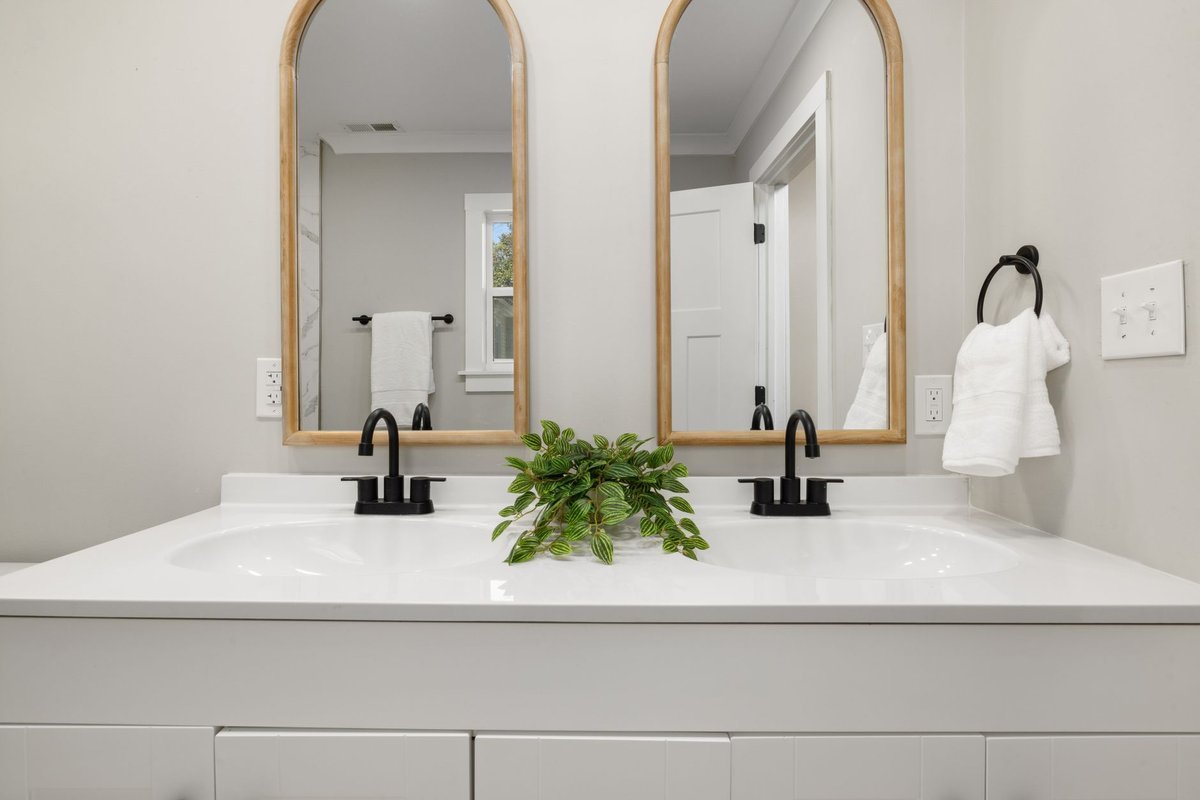
Ask three people to “install a vanity,” and you may get three prices thousands apart. Usually nobody is cheating. They are pricing different jobs. Here are the four jobs that share that one name.
Swapping a Vanity in the Same Spot
What This Job Includes
The old cabinet comes out and a new one of about the same size goes in. The drain and water lines stay right where they are. The installer levels the cabinet, fastens it to the wall, and reconnects the drain and faucet.
What It Usually Costs
Expect roughly $880 to $1,430 in the Bay Area with a stock vanity included, using the math above. It climbs when the shutoff valves are old or the new cabinet sits a little differently.
Where This Job Goes Wrong
The new vanity must line up with the existing pipes. A cabinet with a drawer where the drain sits, or a shallower depth, can force pipe changes. Then the swap stops being a swap. Measure the pipe height and position before you buy.
Replacing the Vanity, Top, and Faucet Together
What This Job Includes
This is the most common upgrade. A new cabinet comes with a new countertop, sink, and faucet. Good installers also replace the two small shutoff valves under the sink and the drain trap while the space is open.
What It Usually Costs
Plan on roughly $1,020 to $2,820, using the math above. The countertop moves the price the most. A prefab top with a built-in sink costs far less than a custom stone top cut to size. A stone top often needs a separate measuring visit and one to two weeks of wait.
Why Doing It All Now Pays
Doing the top and faucet later means paying for a second visit. It can also mean disturbing a fresh caulk line and backsplash. Since the plumber is already under the sink, a new faucet adds little labor.
Turning One Sink Into Two
What This Job Includes
A double vanity needs a second drain and a second set of hot and cold lines. The plumber opens the wall, ties into the existing pipes, and adds a new branch. Then the wall gets patched, painted, and sometimes re-tiled.
What It Usually Costs
Expect roughly $2,110 to $4,610 for the conversion with a mid-range double vanity, before any wall or tile repair. The cabinet itself may cost only a bit more than a single. The plumbing, wall repair, and longer top are where the money goes.
When the Second Sink Is Worth It
It earns its cost in a busy shared bathroom where two people get ready at once. Most double vanities start around 60 inches wide. In a smaller room, one sink with more drawers often works better.
Building In a Custom or Floating Vanity
What This Job Includes
A floating vanity hangs off the wall with open floor below. That means the wall needs solid wood backing, called blocking, to carry the weight. A custom built-in is made to fit the room, so it starts with design and shop time.
What It Usually Costs
Scaled the same way, a floating vanity works out to roughly $770 to $2,560 and a custom built-in to $2,560 to $5,120 or more, before wall work. The wall usually has to open for the blocking. That brings drywall, paint, and maybe tile work, plus pipe changes to suit the new height.
Who Should Choose This Path
It fits when the vanity is part of a bigger bathroom remodel and the wall is open anyway. Our guide to choosing a custom bathroom vanity layout covers sizing and storage. As a stand-alone upgrade, it is the hardest vanity job to justify on cost.
The Plumbing Behind the Doors Sets the Real Price
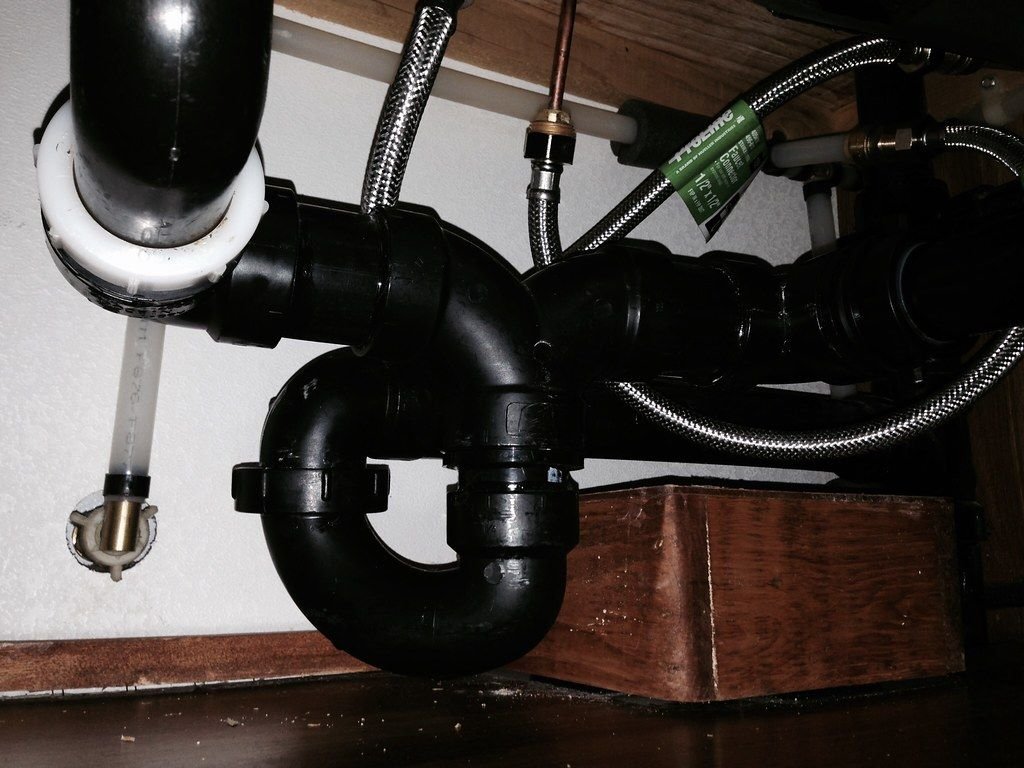
Open the doors of an old vanity. You will see two small valves on the wall, a curved drain pipe, and two flexible water lines. Those few parts decide whether your job is simple or not. The curved pipe is called a P-trap. It holds a little water that blocks sewer gas. The valves let a plumber shut off water to just that sink.
In older Bay Area homes, those valves are often decades old. Many will not turn, or they drip once moved. The drain pipe may be old metal that cracks when touched. None of that shows until the old cabinet is gone. That is why honest quotes list these parts by name.
The national figures below come from Inch Calculator, KB Authority, and Homewyse’s faucet guide. Where no guide publishes a number, the line says so.
These are national figures. Bay Area plumbers earn about 28% more than the national average and carpenters about 37% more, so expect the labor part of each line to land higher here. Older homes with plaster walls, tight crawl spaces, or galvanized steel pipes trend higher still.
What Shows Up When the Old Vanity Comes Out
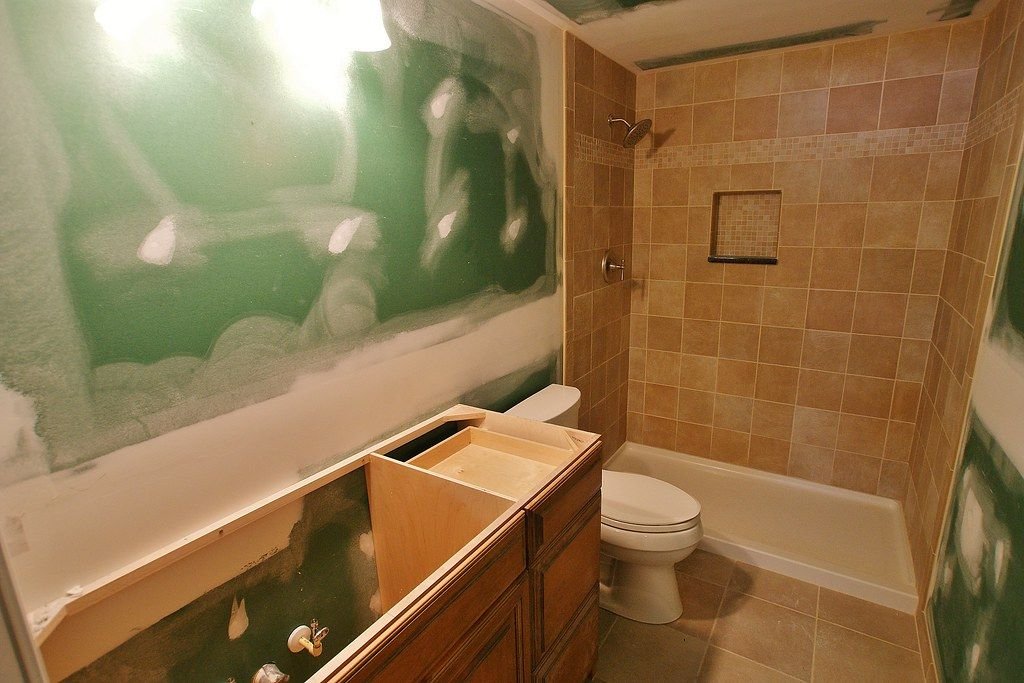
The second set of surprises is not plumbing. It is the room itself. Most old vanities were installed after the floor and wall were finished around them. Pull one out and you see what the rest of the room has been hiding.
Wall and Floor Gaps the Old Cabinet Hid
Why the Gaps Appear
Tile often stops at the edge of the old cabinet. Paint often stops behind it. If your new vanity is smaller, shaped differently, or floats, those bare spots show. A floor patch can mean matching old tile that is no longer made.
How to Keep It Cheap
Choose a new vanity with the same or a slightly larger footprint. That alone can remove a whole line item from your quote. If you want a smaller or floating unit, budget for floor and wall work from the start, not as a surprise.
Water Damage From a Slow Leak
What the Damage Looks Like
A small drip under a sink can run for years with no one noticing. The cabinet floor swells. The wall behind it stains or turns soft. Sometimes the wood floor under the vanity feels spongy, which means the wood below it is rotting.
What It Adds to the Bill
Cleaning and drying a small stain may cost little. Cutting out and replacing soft wood under the floor is a bigger job. Our subfloor replacement cost guide explains that repair in detail. Fixing it now is far cheaper than tiling over it.
Lead Paint in Homes Built Before 1978
Why Age Matters Here
Many Bay Area homes were built before 1978, when lead paint was common. Pulling a vanity off the wall can chip painted surfaces. Under the EPA’s lead-safe work rule, anyone paid to disturb paint in these homes must be lead-safe certified.
What That Means for You
Ask any contractor working in an older home about lead-safe practices. That usually means plastic sheeting, careful cleanup, and special vacuums. It adds a little time and cost, and it protects kids and pets from lead dust.
Bay Area Permit and Water Rules That Change the Bill
Most homeowners never think about permits for a vanity. For a plain swap, they often do not need one. But a few California rules decide the price and who may do the work.
Permits Cover the Pipes, Not the Cabinet
What Needs No Permit
In many Bay Area cities, the cabinet itself is permit-free. Berkeley’s list of work exempt from permits includes cabinets, countertops, and similar finish work. Oakland and Fremont also exempt cabinets and countertops from building permits.
What Usually Does Need One
The same Berkeley list says replacing hidden drain, water, or vent pipe needs a permit. Moving an outlet or a light usually needs an electrical permit too. Rules vary by city, so a quick call to your building department is worth it before any pipe moves.
Why Most Vanity Jobs Need a Licensed Contractor
What the Rule Allows
California lets an unlicensed handyman take small jobs under $1,000, counting labor and materials. The limit rose from $500 at the start of 2025. The state licensing board’s bulletin spells out the details.
Where the Rule Stops
The job cannot need a permit, and the handyman cannot hire helpers. Most full vanity jobs pass $1,000, and any pipe move needs a permit. So most of these jobs legally need a licensed contractor, even when the cabinet itself is small.
Water-Saving Upgrades in Older Homes
What the Law Requires
California has a law for homes built on or before January 1, 1994. When permitted alteration work happens in a single-family home, old water-wasting fixtures must be replaced before the city signs off on the final inspection. That covers older toilets, showerheads, and faucets across the whole house, not just the room you touched.
When It Applies to You
Berkeley’s guide to this water-saving rule explains how cities apply it. Ordinary repairs do not trigger it. A plain vanity swap with no permit does not either. A permitted bathroom alteration can, so ask about it before you sign.
Faucet Flow Limits for New Faucets
The Number to Know
A new bathroom faucet in California must flow no more than 1.2 gallons per minute. That limit comes from the state’s green building code. For comparison, the older faucets the water-saving law targets run above 2.2 gallons per minute.
Why It Matters When Shopping
Faucets sold in California stores are already built to this limit. A bargain faucet shipped from out of state may not be. Check the flow rating on the box or spec sheet before you buy, so an inspector never asks for a swap.
When a DIY Vanity Swap Makes Sense and When It Does Not
Plenty of handy homeowners replace a vanity themselves. California law lets you work on your own home. The real question is whether the job stays simple once the old cabinet is out.
DIY makes sense when the new vanity matches the old footprint and the pipes stay put. It also helps if the shutoff valves turn freely and close fully. In that case, you are mostly leveling a cabinet, setting a top, and reconnecting two water lines and a drain. Plan a full day if it is your first time, plus time for the caulk to cure.
Call a pro when any pipe needs to move, when the valves will not budge, or when the wall or floor shows water damage. The same goes for adding a second sink, hanging a floating vanity, or moving an outlet or light. A small leak hidden inside a cabinet can do more damage than the whole job costs. For a full room refresh, our bathroom remodeling team handles the vanity, plumbing, tile, and finish work under one contract.
How to Get Vanity Quotes You Can Actually Compare
Two vanity quotes only compare when they price the same job. Use this list when you call around. It turns a vague “install vanity” line into something you can check.
- Name the vanity and top. Give each bidder the same model, size, and top, or the same allowance.
- Ask about the valves and drain. Does the price include new shutoff valves and a new drain trap? If not, what do they cost?
- Ask what happens to the wall and floor. Who patches and paints if the new cabinet leaves a gap?
- Ask about hidden damage. What is the hourly or fixed price for rot, a leak, or a seized valve?
- Ask about permits. Will any pipe or power move? If so, who pulls the permit and books the inspection?
- Check the license. Look up the contractor’s license number with the state board before you sign.
Our questions to ask a bathroom remodeling contractor go deeper if the vanity is part of a larger bathroom job.
Planning Your Vanity Project With Top Tier
Top Tier Building Services is a licensed Bay Area general contractor, CSLB #1146790, based in Castro Valley. We install vanities, countertops, and cabinetry as part of bathroom remodels across Alameda, Contra Costa, and Santa Clara counties. Our quotes list the valves, drain, wall, and floor work by name. Then you see the real number before work starts, not after the old cabinet comes out.
If you are weighing a bigger change, like adding a whole new bathroom, our guide to the cost to add a bathroom is a good next read. Ready to price your vanity? Contact us for a clear, itemized estimate.
FAQs
How much does it cost to remove and install a bathroom vanity?
In the Bay Area, removing an old vanity and installing a new stock one in the same spot works out to roughly $880 to $1,430, cabinet included, when national cost guides are scaled by the Bay Area wage gap. Adding a new top, sink, and faucet brings it to roughly $1,020 to $2,820. Pipe moves, wall repair, and hidden water damage cost extra.
Can I replace a bathroom vanity myself?
Yes, California lets homeowners work on their own homes. A same-size swap with working valves is a fair DIY job for a handy person. Hire a pro if pipes must move, the valves are stuck, or you find water damage. Any permit work done for pay needs a licensed contractor.
Do I need a permit to replace a bathroom vanity?
Usually not for the cabinet alone. Many Bay Area cities, including Berkeley, Oakland, and Fremont, exempt cabinets and countertops from permits. Replacing hidden drain or water pipe, or moving an outlet, usually does need one. Check with your city’s building department before pipes move.
How long does it take to install a bathroom vanity?
A same-spot swap often takes a few hours to a full day for a pro. Allow time for caulk and sealant to cure before heavy use. A custom stone top can add one to two weeks for measuring and cutting, and pipe moves can add a day or more.
How much does a double vanity installation cost?
Replacing one double vanity with another can cost close to a single vanity job. Turning one sink into two is the expensive version. It needs a new drain and water lines inside the wall, and works out to roughly $2,110 to $4,610 in the Bay Area before wall repair, scaled from national cost guides.
What is the most expensive part of a vanity installation?
It is rarely the cabinet. Moving the drain or water lines, a custom stone top, and repairing a wall or floor hurt by an old leak are usually the biggest costs. Measure the pipe position before buying, so the new vanity fits the plumbing you already have.