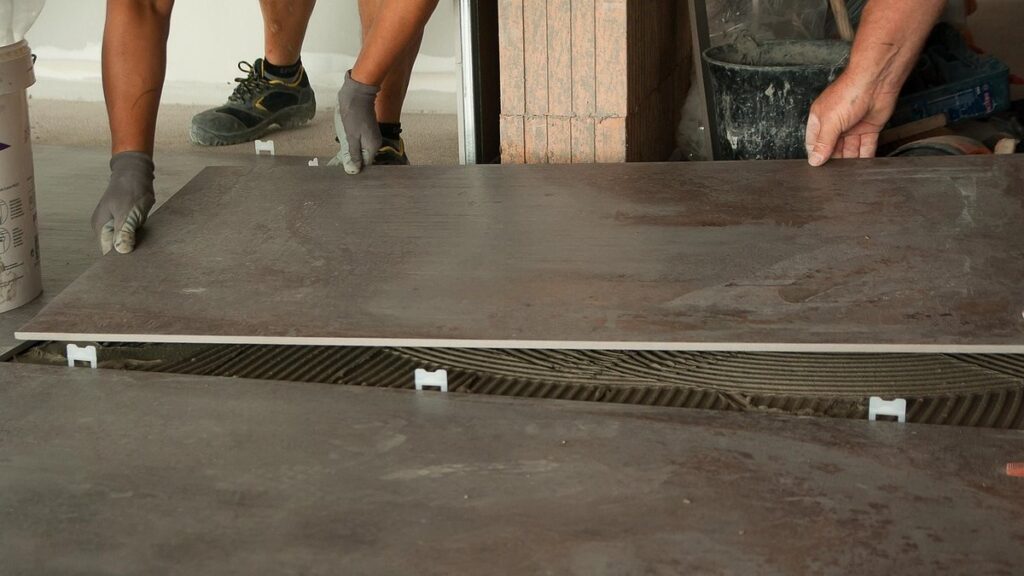
Walk into any tile showroom and someone will tell you porcelain is better. That is only half true. Here is the short answer on ceramic vs porcelain tile. Porcelain is the right buy where water sits and shoes grind, like shower floors, entries, and patios. Ceramic is often the smarter buy for walls and backsplashes. It costs less, it cuts more easily, and on a wall its weak spots barely matter.
The real test is not the word on the box. It is one number, the tile’s water absorption. Porcelain is tile that soaks up 0.5% of its weight in water or less, and some tile sold as porcelain misses that line. So you can pay porcelain prices for tile that is not porcelain, or for a wall that never needed it. Worse, a wall-only tile laid on a floor can crack and have to be torn out, and then you pay twice. This guide shows which tile belongs in each room, what each costs installed, and how to check a tile before you buy.
Key Takeaways
- Porcelain is tile that absorbs 0.5% water or less in a lab test. Any tile that absorbs more is non-porcelain, which is what most people call ceramic.
- Porcelain earns its higher price on shower floors, entries, kitchen floors, and outdoor patios, where water and foot traffic are heavy.
- Ceramic is usually the better value on walls, backsplashes, and tub surrounds. It costs less and is easier for an installer to cut.
- National cost data from late 2023 puts ceramic at about $12 to $40 per square foot installed and porcelain at about $15 to $50, and Bay Area labor runs higher.
- Neither tile makes a shower waterproof. The waterproof layer under the tile does that job.
- In a showroom, check the spec sheet for the water absorption number, look for the Porcelain Tile Certification Agency (PTCA) mark, and read the maker’s list of approved rooms.
What This Guide Covers
- What Actually Separates Ceramic From Porcelain Tile
- Ceramic vs Porcelain Tile Side by Side
- Which Tile to Use in Each Room of the House
- What Ceramic and Porcelain Tile Cost Installed
- How to Tell Ceramic and Porcelain Apart in a Showroom
- Bay Area Conditions That Change the Tile Decision
- Choosing Tile With Top Tier Building Services
- FAQs
What Actually Separates Ceramic From Porcelain Tile
Both tiles start the same way. They are clay pressed into shape and fired in a kiln, a very hot oven. The cost site HomeGuide explains the split in plain terms. Porcelain uses finer clay and is fired at higher heat, so it comes out denser and less porous. Porous means full of tiny holes that can hold water.
That density is where the official line comes from. The Tile Council of North America (TCNA) is the trade group that publishes the main U.S. tile standard, called ANSI A137.1. On its porcelain certification page, TCNA says standards define porcelain as tile with “a water absorption of 0.5% or less,” measured by a lab test called ASTM C373. In that test, a tile is dried, weighed, soaked, and weighed again. The weight it gains is the water it soaked up.
TCNA’s FAQ on porcelain vs non-porcelain tile adds the other side. Non-porcelain tile absorbs more than 0.5%, and that group covers a wide range of products. So “ceramic” is not one product. It is everything that misses the porcelain line.
Why does that number matter at home? A tile that soaks up water stains more easily, and outdoors it can crack if trapped water freezes. A dense tile also resists chips and wear. On a wall that rarely gets wet or kicked, those strengths buy you very little.
Ceramic vs Porcelain Tile Side by Side
Here are the two tiles side by side, using TCNA’s definitions and HomeGuide’s national cost data.
Read the table as a set of trade-offs, not a ranking. Porcelain wins every row about toughness. Ceramic wins the rows about price and ease of installation. The right choice depends on what the surface has to survive.
Which Tile to Use in Each Room of the House
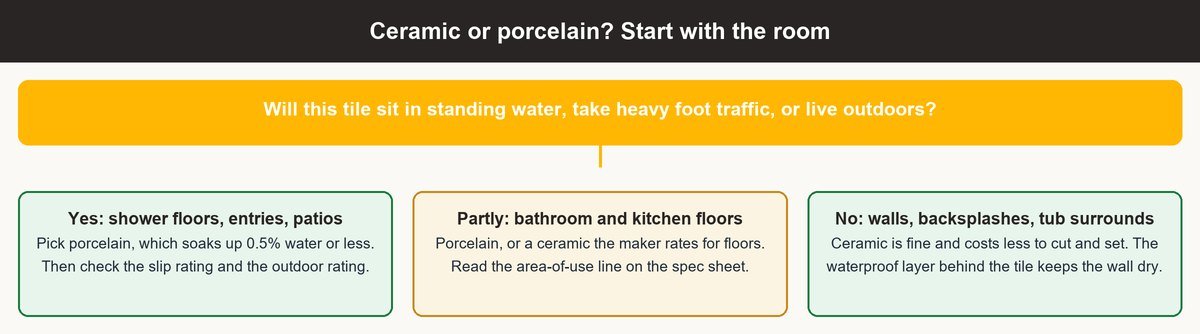
Start with one question. Will this tile sit in standing water, take heavy foot traffic, or live outdoors? If yes, porcelain usually pays for itself. If no, ceramic usually does the job for less. The cards below walk through each room.
Shower Floors and Shower Pans
Why Porcelain Wins Here
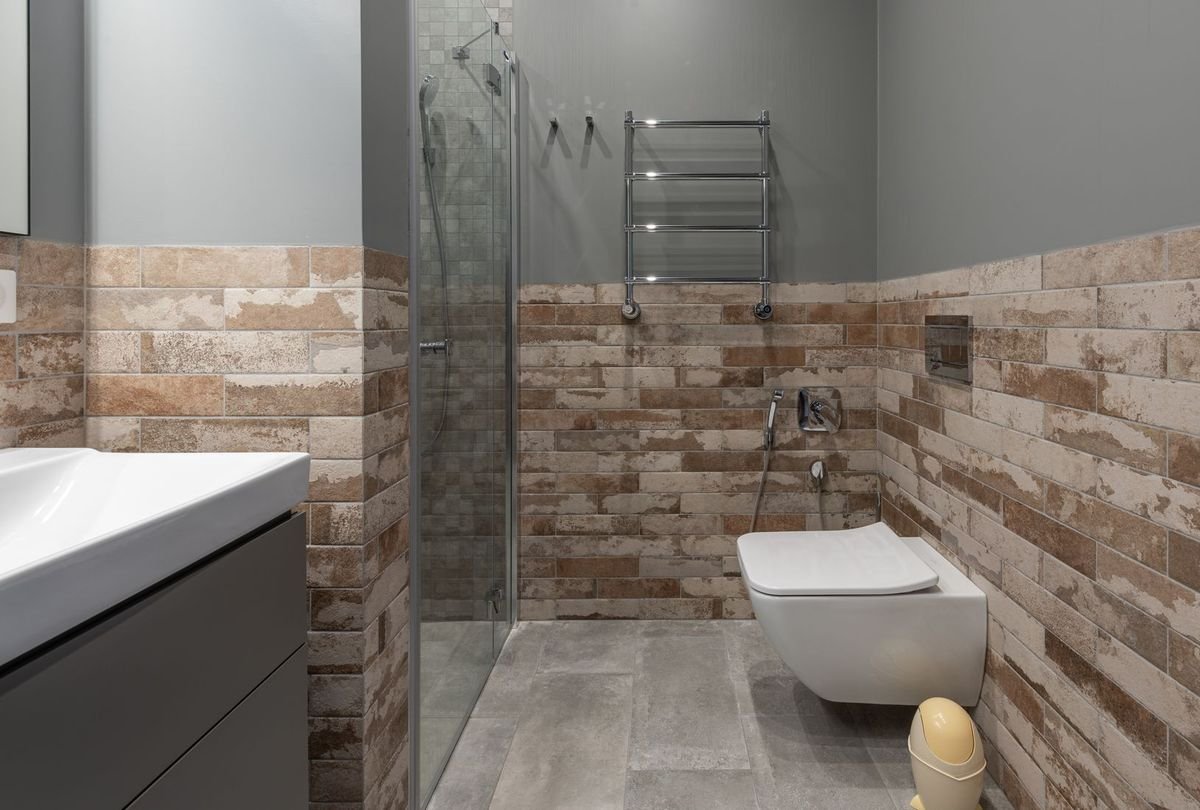
A shower floor stays wet for hours every day, and people stand on it barefoot. Dense porcelain soaks up very little water, so it stains less and holds up better under daily scrubbing. Many installers use small porcelain mosaics here, because small tiles bend to the slope that carries water to the drain.
What the Tile Cannot Do
No tile makes a shower floor waterproof. Grout lines let water through, so a waterproof membrane or shower pan under the tile does the real work. Our guide on how to tile a shower floor shows where that layer goes and why skipping it causes leaks.
Shower Walls and Tub Surrounds
Why Ceramic Works on Walls
Water runs off a wall instead of sitting on it, and nobody walks on it. That takes away porcelain’s two main advantages. Glazed ceramic wall tile sheds water well, costs less, and is easier to cut around valves and niches, which saves labor time.
When Porcelain Still Makes Sense
Large-format tiles and wall-to-floor designs often come only in porcelain. If you want the shower floor and walls to match, porcelain on both is the simple route. Our guide on how to tile a shower covers the wall prep that keeps either tile from leaking.
Bathroom Floors Outside the Shower
What This Floor Has to Handle
A bathroom floor takes splashes, wet feet, and a toilet that may one day overflow. It does not sit in standing water all day. Porcelain is the safer default, but a ceramic tile rated for floors can work well in a guest bath or powder room.
How to Decide Between the Two
Check the maker’s area-of-use rating before you buy. Many ceramic tiles are rated for walls only, and they can crack or wear through on a floor. If the spec sheet says walls only, keep it off the floor, whatever the price. Still choosing between tile, vinyl plank, and stone for a bathroom? Our guide to the best flooring for bathroom floors compares them.
Kitchen Backsplashes and Accent Walls
Why Ceramic Is the Value Pick
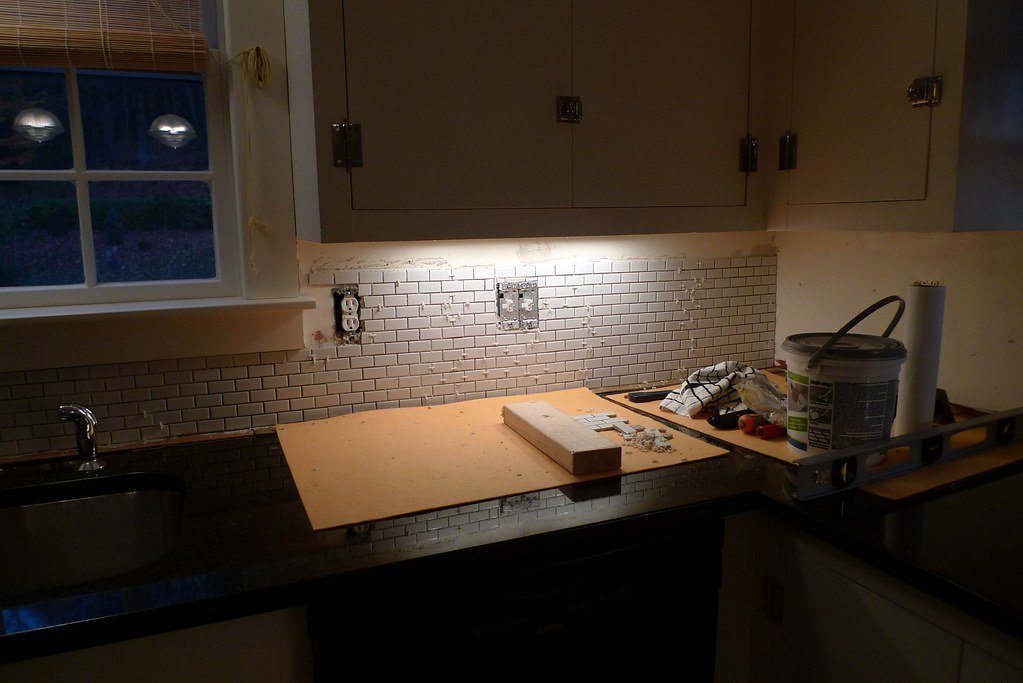
A backsplash gets grease and water splashes, but it is a wall. Ceramic subway tile is a classic here for a reason. It comes in many colors and glazes, it costs less, and it cuts cleanly around outlets and window trim.
Where the Savings Show Up
Porcelain on a backsplash buys toughness you will never use. The savings come from both the tile price and the labor. Softer ceramic takes less cutting time around each outlet box, and a typical backsplash has several of them.
Kitchen Floors, Entries, and Mudrooms
Why Porcelain Earns Its Price
These floors get grit tracked in from outside, dropped pans, and chairs dragged daily. Grit acts like sandpaper on a glaze. Dense porcelain resists that wear and chipping better, so it keeps its look longer in the busiest rooms of the house.
A Detail Worth Checking
Some porcelain is colored all the way through its body. When it chips, the chip is the same color as the top, so it is hard to see. Glazed tile shows a different color at a chip, which matters most at a busy entry.
Patios, Porches, and Other Outdoor Floors
Why Low Absorption Matters Outside
Outdoor tile gets rain, sun, and sometimes frost. Water that soaks into a tile can expand when it freezes and crack the tile. TCNA says porcelain is usually frost resistant but not always, and some non-porcelain tiles are rated for outdoor use too.
What to Check Before You Buy
Follow TCNA’s advice and ask the maker which areas the exact tile is rated for. Outdoors, also check the slip rating, because wet tile in the sun gets slick. A textured outdoor porcelain is the usual choice for a patio.
What Ceramic and Porcelain Tile Cost Installed
HomeGuide’s national cost data puts ceramic tile at about $12 to $40 per square foot installed. Porcelain runs about $15 to $50. Labor alone is about $8 to $20 per square foot. Removing old tile adds about $2 to $7 more.
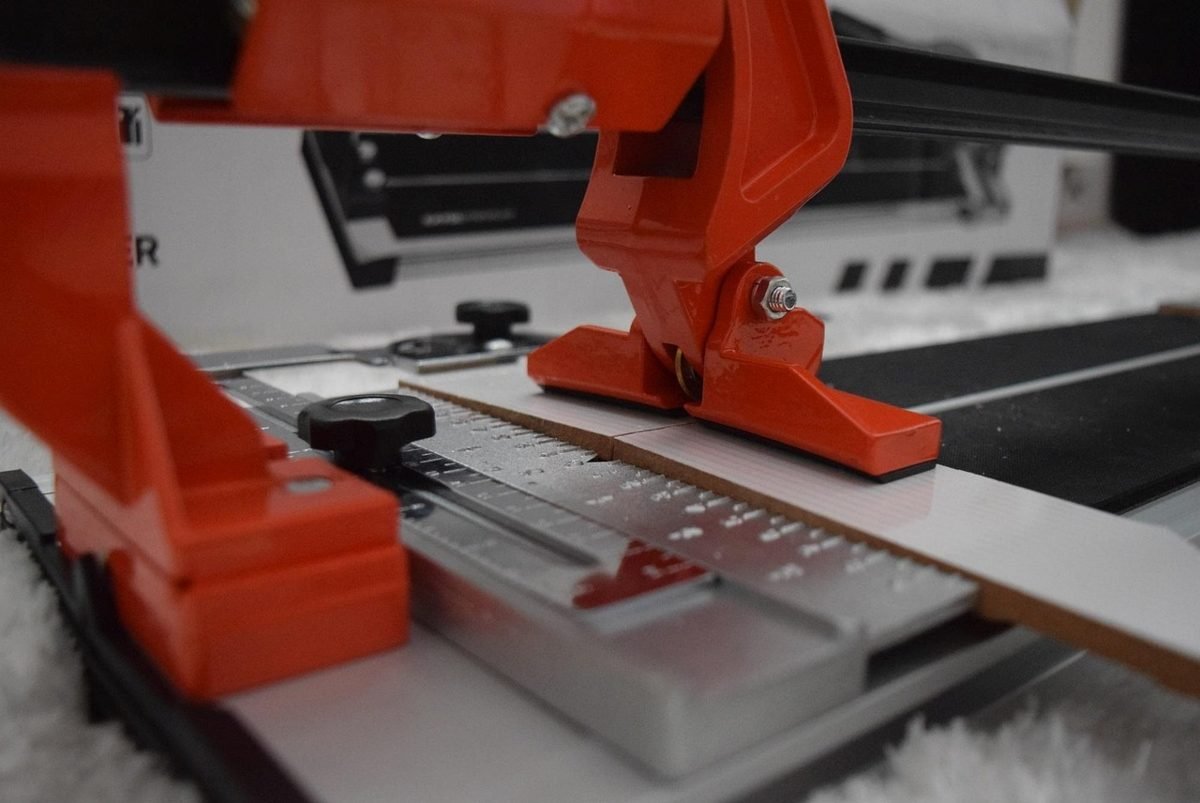
So the tile itself is only part of the gap. Porcelain also costs more to put in. TCNA notes that porcelain is harder to bond and harder to cut. Installers need diamond blades, slower cuts, and mortar made for dense tile. Big porcelain tiles add more work, because the floor under them must be very flat. Otherwise, the edges of side-by-side tiles sit at different heights and catch toes. In older raised-floor homes, like many in Oakland and Berkeley, that can mean a leveling line in the quote, and a smaller tile is sometimes the cheaper fix.
The table below multiplies HomeGuide’s per-square-foot ranges by common room sizes. Treat these as planning ranges, not quotes. HomeGuide’s numbers are national averages from its cost data, last updated in late 2023. Bay Area labor usually runs above national averages, and HomeGuide notes that some installers charge a minimum fee for small jobs, so expect a backsplash to land above the low end of its row.
On a 30-square-foot backsplash, choosing ceramic might save about $90 to $300. On a 150-square-foot kitchen floor, porcelain might cost $450 to $1,500 more. That extra money buys real wear resistance where people walk every day. On the backsplash, it buys very little. For the full breakdown of tile floor costs, including demo and subfloor repair, see our guide to the cost to install tile floor.
How to Tell Ceramic and Porcelain Apart in a Showroom
Most tile looks alike on a display board, and many porcelains are printed to look like stone or wood. These checks run from most reliable to least. The first two are proof. The rest are clues.
Read the Water Absorption Number on the Spec Sheet
What to Look For
Ask for the technical data sheet, not the marketing card. Look for a water absorption figure tested to ASTM C373. A result of 0.5% or less means porcelain under the standard. Some sheets say “impervious” instead, which is the term TCNA uses for that porcelain class.
Why This Beats the Label
The word “porcelain” on a box is a claim. The absorption number is a test result. If a seller cannot show you the number, treat the porcelain label as unproven and price the tile as if it were ceramic.
Look for the PTCA Certification Mark
What the Mark Means
The Porcelain Tile Certification Agency runs a program that tests tile against the porcelain standard. Makers that pass may print the PTCA mark on packaging and marketing. TCNA says a tile with that mark “has been certified as true porcelain.”
What Its Absence Means
Plenty of real porcelain is sold without the mark, because the program is voluntary. So a missing mark is not proof the tile is fake. It just means you should fall back on the spec sheet number.
Check the Edge and the Back of the Tile
What the Edge Can Show
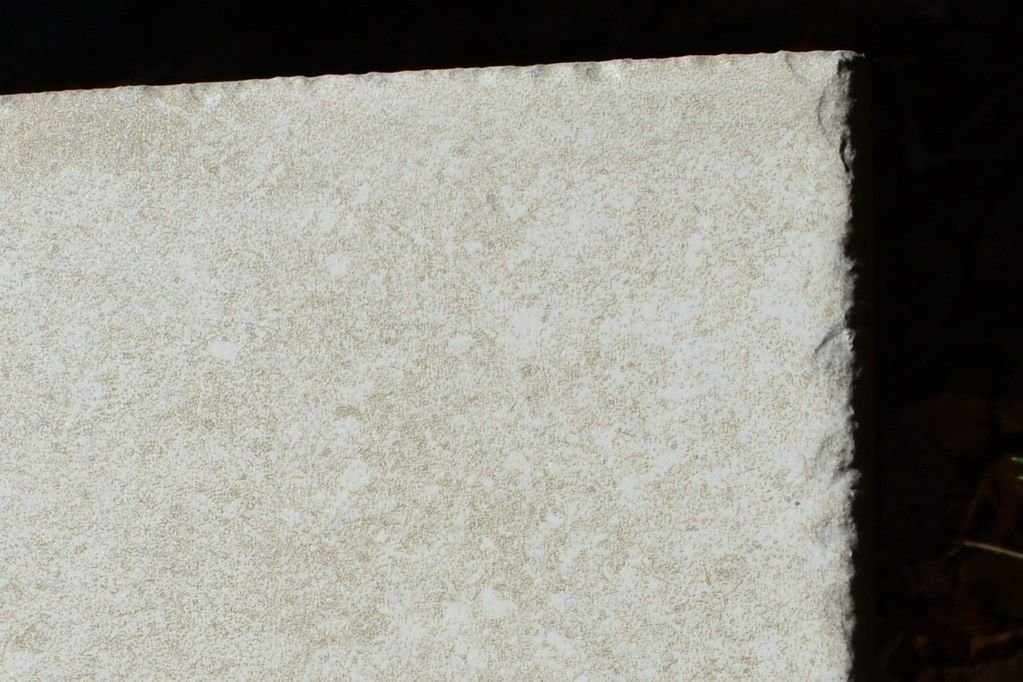
Turn a sample over and look at a cut or broken edge. Through-body porcelain shows the same color all the way through. Ceramic and glazed porcelain often show a red, tan, or white clay body under a thin colored glaze on top.
The Water Drop Test
Put a drop of water on the bare back of the tile. On many ceramic tiles, it soaks in and darkens the spot within seconds. On porcelain, it tends to sit on top. This is a rough clue, not proof, since backs can be coated.
Compare Weight and Ask Which Rooms It Is Rated For
The Weight Clue
Porcelain is denser, so a porcelain tile usually feels heavier than a ceramic tile of the same size and thickness. Pick up two similar samples, one in each hand. This only works when sizes truly match, so treat it as a quick hint.
The Rating That Settles It
Ask which rooms the maker approves the tile for, and whether it lists a slip-resistance result. The ANSI A137.1 standard includes a slip test, and floor tile should report it. Glazed tile may also list a PEI wear class, where higher numbers handle more foot traffic.
Bay Area Conditions That Change the Tile Decision
Tile choice is not only about the tile. The house underneath matters just as much, and Bay Area homes have a few patterns worth knowing before you choose. The same is true if you are still weighing tile against another floor. Our LVP flooring cost guide shows how prep lines change a vinyl plank quote too.
Concrete Slabs and Earthquake Movement
What Happens Under the Tile
Many homes in Fremont, San Jose, and much of the East Bay sit on concrete slabs. Slabs often develop small cracks as they cure and settle, and earthquakes can move them more. A crack in the slab can travel up through the grout and split the tile above it.
Why the Tile Choice Does Not Fix It
Porcelain is stronger than ceramic, but no tile stretches across a moving crack. The fix is an anti-fracture or uncoupling membrane between slab and tile. It lets the slab move a little without breaking the tile. Ask whether your quote includes one.
Outdoor Tile in a Mild Climate
How Frost Risk Changes Here
Hard freezes are rare in most of the Bay Area flatlands, so freeze cracking is less of a worry than in snowy states. Hillside homes and inland valleys can still see frost on winter mornings, so an outdoor rating is still the safe call.
The Bigger Outdoor Risk Is Slipping
Bay Area patios see months of winter rain, and shaded tile can grow a slick film. A smooth, polished tile that looks great indoors can be dangerous on a wet patio. Choose a textured exterior porcelain and check its slip-resistance result.
Choosing Tile With Top Tier Building Services
Top Tier Building Services is a licensed general contractor, CSLB #1146790, based in Castro Valley. Our bathroom remodeling team installs custom tile on floors, walls, and shower surrounds, with a waterproofing membrane behind the tile in every wet area. Our flooring installation team handles tile and natural stone floors, plus the subfloor prep and leveling that large porcelain needs.
We will help you match each surface to the right tile, show you the spec sheet before you buy, and price both options so you can see the difference in dollars. Contact us for a free tile estimate.
FAQs
Are ceramic tiles better than porcelain?
Not in every room. Porcelain absorbs 0.5% water or less and resists wear and chips better, so it is better for shower floors, entries, kitchen floors, and patios. Ceramic costs less and is easier to cut, so it is often the better value on walls, backsplashes, and tub surrounds.
Is ceramic or porcelain tile better for a shower?
Porcelain is the usual pick for the shower floor, because it stays wet and takes foot traffic. Ceramic works well on shower walls, where water runs off. Either way, the waterproof membrane under the tile is what keeps water out of the walls and floor.
Can ceramic tile be used outdoors?
Some can. TCNA says many non-porcelain tiles are suited to freeze-thaw conditions, and many quarry tiles are rated for exterior use. Check the maker’s area-of-use rating for the exact tile. Porcelain is usually, but not always, frost resistant, so check it too.
Does porcelain tile need sealing?
Glazed porcelain usually does not need a sealer, because the glaze and the dense body keep water out. Some unglazed or polished porcelain may need one, so follow the maker’s care sheet. The grout between tiles is porous, and many installers seal it.
Can you put wall tile on a floor?
Only if the maker rates it for floors. Many ceramic tiles are made for walls only and can crack or wear through underfoot. Read the area-of-use line on the spec sheet before you buy, and keep any wall-only tile off the floor.
Is porcelain tile harder to install than ceramic?
Yes. TCNA notes that porcelain is harder to bond and harder to cut. Installers need diamond blades and mortar made for dense tile, and large porcelain tiles need a very flat floor. That extra work is part of why porcelain costs more installed.