Here is the short answer. The best flooring for bathroom use is porcelain tile with a textured surface or small mosaic pieces, laid over a stiff, waterproofed floor. Rigid-core luxury vinyl plank (LVP) is the best choice if you do not want tile, as long as the edges are sealed and the plank has a wet slip rating.
The word “waterproof” on the box is the wrong test. A plank can be waterproof and still be slick under wet feet. Water can also slip through the seams and along the wall, then soak the wood floor underneath. That is how a “waterproof” floor ends up torn out. Below, each floor type is scored on the three tests that matter, with real bathroom costs.
Key Takeaways
- Judge a bathroom floor on three tests: wet grip, water at the seams and edges, and the floor beneath it.
- Porcelain tile passes all three over a stiff, waterproofed floor. Textured tile or small mosaics grip best.
- Rigid-core LVP is the best non-tile floor, but only with a sealed edge and a published wet slip rating.
- In a test of 22 plastic-based floors sold for wet areas, 16 scored below the tile industry’s wet slip mark.
- Solid hardwood, standard laminate, and carpet do not belong in a full bathroom.
- In a 50-square-foot bathroom, porcelain costs about $450 to $1,700 more than LVP. One subfloor repair can cost more.
What This Guide Covers
Three Tests Every Bathroom Floor Has to Pass
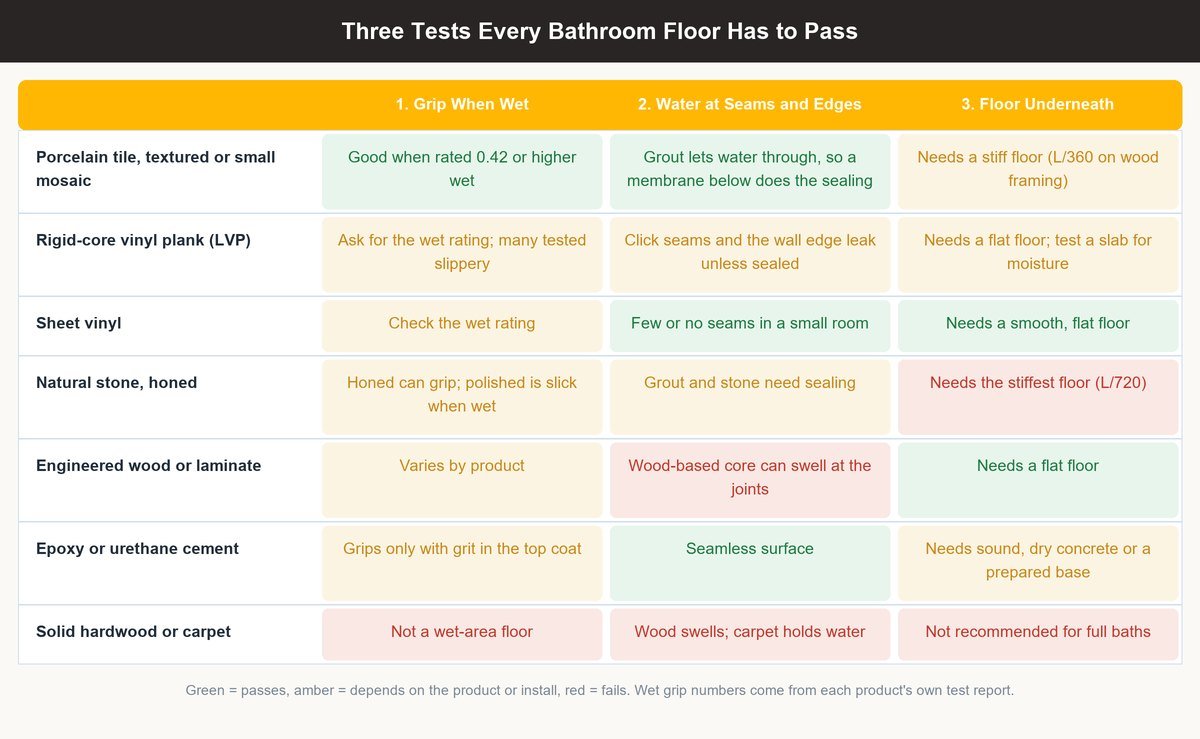
Instead of asking “is it waterproof?”, ask these three questions.
Test one is grip when wet. Tile makers test slip resistance with a number called DCOF, short for dynamic coefficient of friction. It measures how well a wet surface resists a sliding foot. The Tile Council of North America (TCNA) explains in its DCOF guide that tile rated “Interior, Wet” must test at 0.42 or higher. TCNA also warns that the number cannot predict whether a given person will slip, so treat it as a minimum.
Test two is water at the seams and edges. A plank can be waterproof while the floor as a whole is not. Water finds the joints between planks and the gap left at the wall. Pergo’s WetProtect warranty says full waterproof coverage needs the edge of the floor sealed. It does not cover damage that comes in at an unsealed edge.
Test three is the floor underneath. Tile and stone crack if the wood floor below them bends too much. Vinyl fails if the concrete slab below it is damp.
How Each Bathroom Flooring Type Handles Water
The cards below score each floor on the three tests.
Porcelain and Ceramic Tile
Why Tile Wins All Three Tests
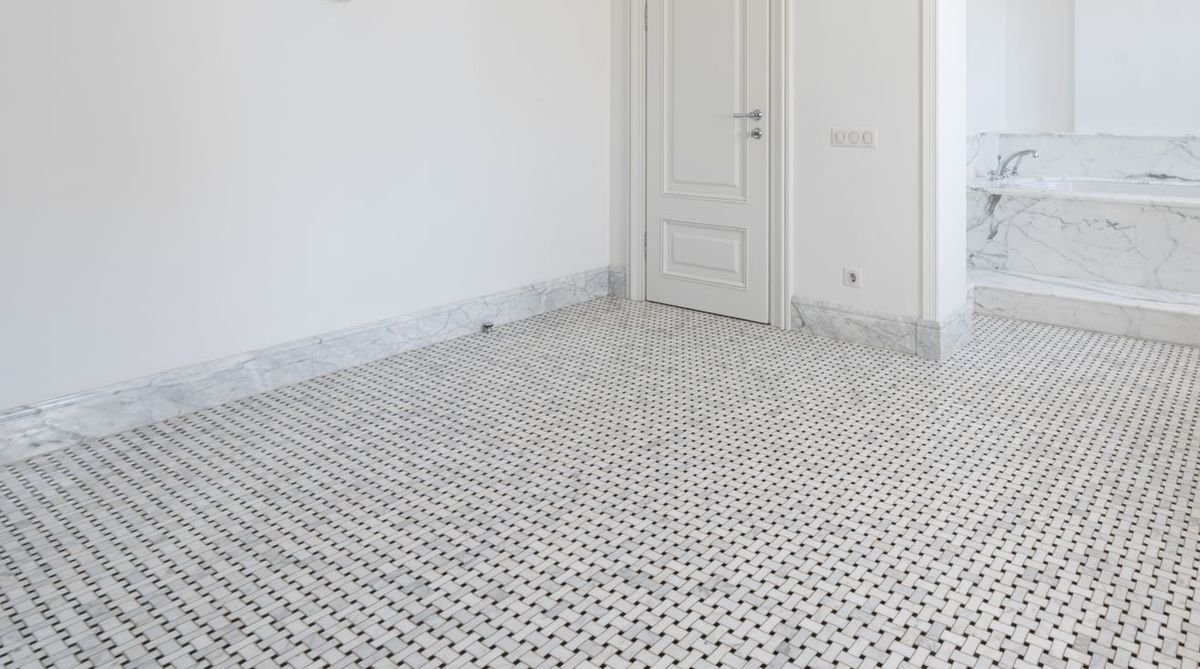
Porcelain soaks up almost no water, and it does not swell or rot. A textured finish or small mosaic tiles give more grip, because every grout line is an edge for your foot to catch. Water that seeps through grout stops at the waterproof layer underneath, as our guide on how to tile a shower floor shows.
Porcelain or Ceramic for the Floor
Porcelain is the safer default on a bathroom floor, and floor-rated ceramic can work in a guest bath. Our ceramic vs porcelain tile guide covers that choice. Whichever you pick, check the spec sheet for an “Interior, Wet” rating of 0.42 or higher.
Rigid-Core Luxury Vinyl Plank
Where LVP Does Well
Rigid-core LVP has a stiff, plastic-based core that does not swell in water. It suits a family bath, feels warmer underfoot than tile and costs less, as our LVP flooring cost guide shows.
What to Check Before You Buy
Ask for the plank’s wet DCOF result, since many plastic floors test slippery when wet. Most LVP floats, which means it clicks together and is not glued down. Many water-resistant floor warranties, like Pergo’s WetProtect laminate warranty, require a sealed perimeter, which takes in the walls, tub, and toilet. The toilet bolts to its flange, never through the planks.
Sheet Vinyl With Few Seams
Why Fewer Seams Help
Sheet vinyl comes off a wide roll. In a small bathroom it often goes down as one piece, so there are few or no joints for water to find. It is also the cheapest floor in this guide. Grip varies by product, so check its wet rating.
The Trade-Offs to Weigh
Sheet vinyl looks less high-end than tile or plank, and it can tear or dent. Any bump in the floor below shows through the thin sheet. It suits a rental or basement bath where low cost matters more than looks.
Honed Natural Stone Tile
Choose Honed Over Polished
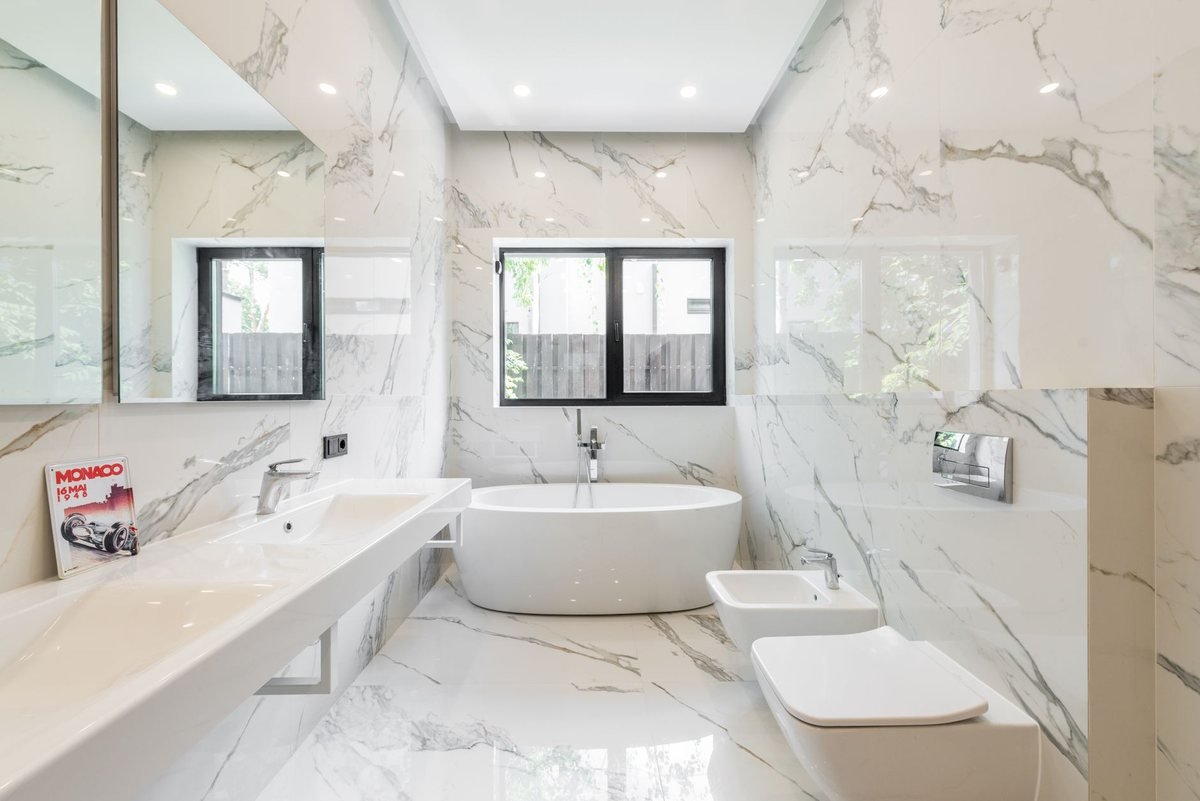
Marble and other stone look great, but a polished finish turns slick when wet. A honed finish is matte, which means flat and not shiny, so it grips better. Stone also soaks up water and stains, so it needs a sealer that gets renewed over time.
Stone Needs a Stiffer Floor
A guide from the joist maker Boise Cascade asks for twice the floor stiffness under stone as under ceramic tile. Our natural stone restoration team hones, seals, and repairs stone. Before hiring anyone, read our questions to ask a stone restoration company.
Engineered Wood and Water-Resistant Laminate
Where These Floors Fit
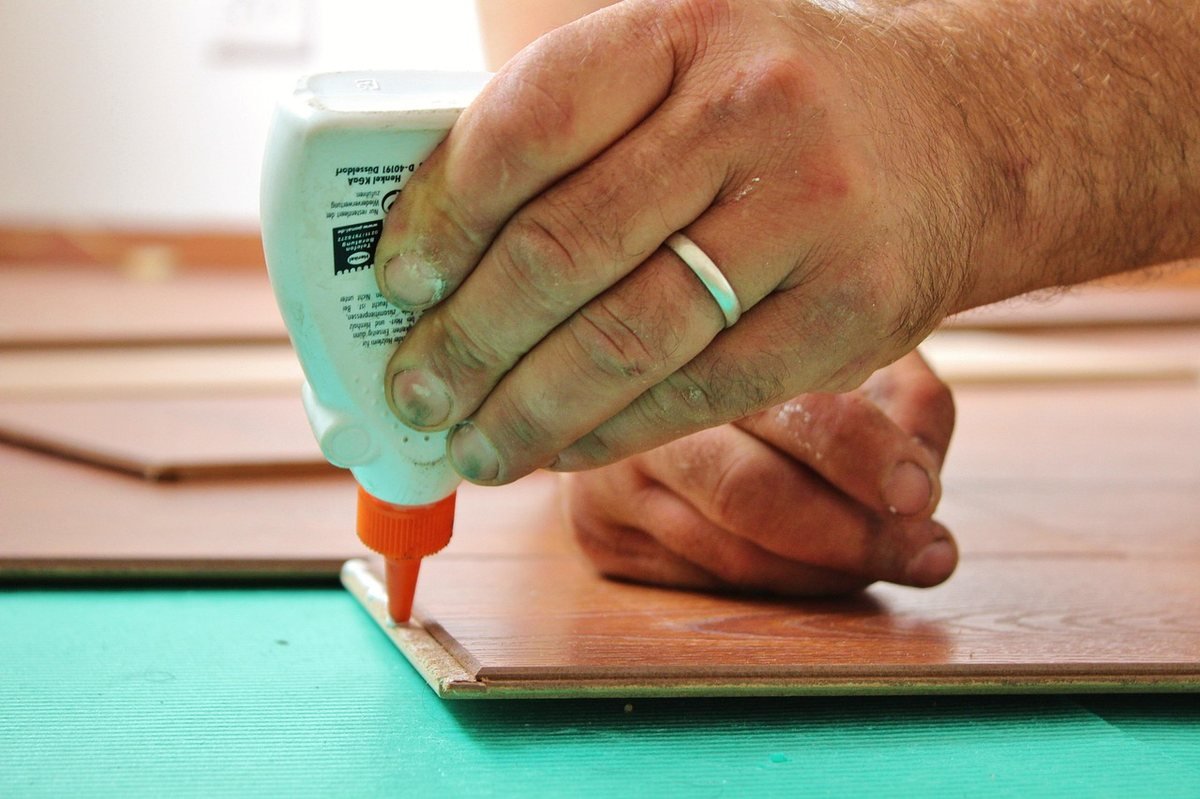
Engineered wood has a real wood top layer over plywood. Laminate is a photo layer over a wood-fiber core. Both work best in a powder room, which has a toilet and sink but no tub or shower. Our vinyl plank vs laminate guide compares laminate with LVP.
Why the Joints Are the Weak Spot
The wood-based core can swell if water gets into the joints. Once swollen, the edges lift and the boards must be replaced. Water-resistant laminate slows this, but its warranty still needs sealed edges. A flat floor keeps the joints tight, as our laminate install guide explains.
Seamless Epoxy and Urethane Cement
How a Seamless Floor Works
Epoxy and urethane cement go down as a liquid and harden into one solid surface. With no seams or grout, water has nowhere to get in. These coatings suit modern bathrooms on a concrete slab.
What Makes It Safe Underfoot
Smooth epoxy can be slick when wet, so installers mix grit into the top coat. Top Tier installs epoxy and urethane cement and is an authorized distributor for Duraamen, a coating maker. For a bathroom, ask for grit in the top coat before the pour.
Floors to Keep Out of a Full Bathroom
Two floors fail test two outright in any bath with a tub or shower.
Solid hardwood swells and cups when water gets into it. Cupping means the edges of each board rise above the middle. The finish protects the top of the board, but it does not seal the joints between boards.
Carpet holds water against the floor and stays damp. The EPA’s guide to mold and moisture says porous materials such as carpet may have to be thrown away once they grow mold. Top Tier does not install carpet. We mention it only so you can rule it out.
What Is Under the Floor Decides Most Failures
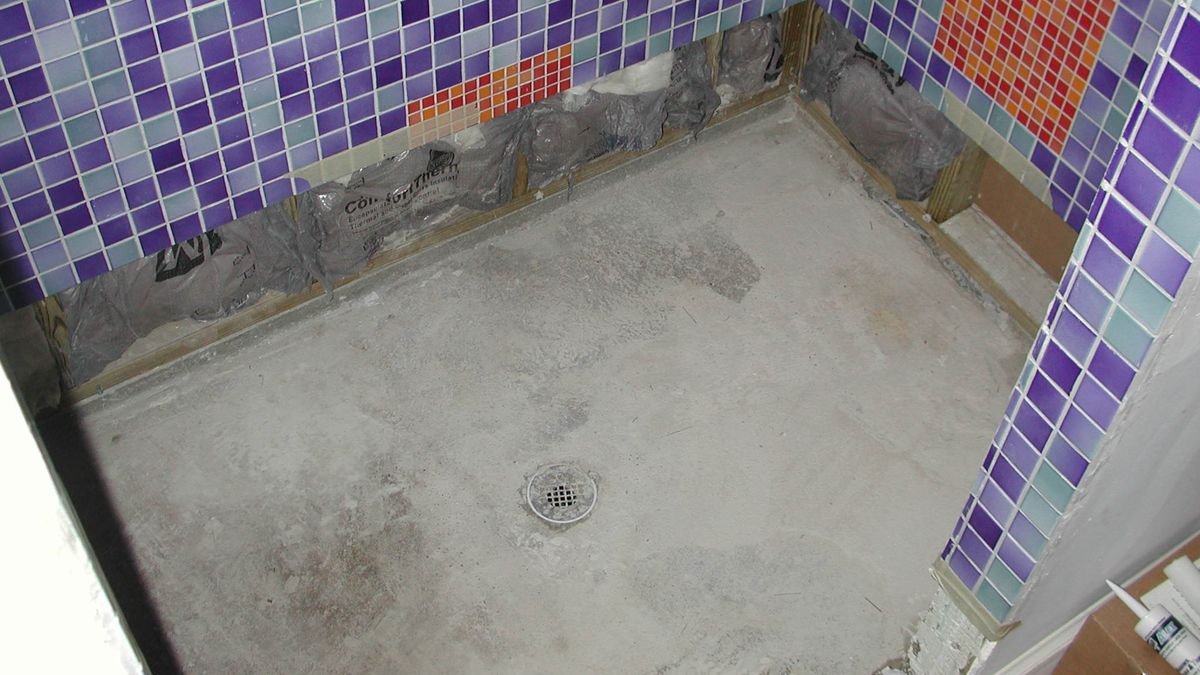
Most failed bathroom floors fail from below.
On a wood floor, stiffness comes first. Engineers measure how much a floor bends with a ratio called deflection. Boise Cascade’s guide sets L/360 for ceramic and porcelain tile and L/720 for stone. L is the span of the joists, the beams that hold up the floor. A bigger number means a stiffer floor. Older floors may need extra plywood or added supports before tile.
On a concrete slab, dryness comes first. Moisture rising from a slab can lift vinyl and feed mold under it. Our flooring team tests slabs and installs vapor barriers when needed.
Around the shower and toilet, waterproofing comes first. A waterproof layer runs under the tile at the shower and laps up the walls, as our guide on how to tile a shower shows. Subfloor repair adds cost, which our tile floor cost guide breaks down.
Bay Area Homes Add Three Wrinkles
Local houses change the floor decision in three ways: raised wood floors, concrete slabs, and condos run by a homeowners association (HOA). The right answer in an older Oakland home is not always right in a newer Fremont tract house.
Raised Wood Floors Over Crawl Spaces
Why Older Homes Need a Check
Many older homes in Oakland, Berkeley, and Castro Valley sit on raised wood floors over a crawl space. The state’s Earthquake Brace + Bolt program treats pre-1980 raised-foundation homes as their own retrofit group. These floors can bend more than tile allows.
What to Do Before Tiling
Have the joists and subfloor checked before you choose tile or stone, and make sure the crawl space has airflow. Adding plywood or new supports costs much less now than ripping out a cracked floor later.
Concrete Slab Homes
Why Slabs Change the Choice
Many homes in San Jose and Fremont sit on a concrete slab. A slab does not bend like wood, so tile does well on it. Slabs can crack, though, as our ceramic vs porcelain guide explains in its section on slabs and earthquakes.
The Test Vinyl Needs First
A slab can look dry and still give off moisture. Before LVP or sheet vinyl goes down, the slab should pass the maker’s moisture limit. If it fails, a vapor barrier or a different floor is the safer call.
Condos and HOA Sound Rules
Why Condo Floors Need Approval
Hard floors carry footstep noise to the unit below. Many HOAs require an approved underlayment, a sound-blocking layer under the floor, and a written plan before work starts. Skipping that step can mean pulling up a new floor.
How We Handle the Paperwork
Our condo remodeling team installs HOA-approved sound reduction systems and prepares the submittal package for the board. That keeps the approval moving and the neighbors below from hearing every footstep.
What a Bathroom Floor Really Costs
A typical bathroom floor is only 40 to 60 square feet, so the dollar gap between floor types is smaller than per-foot prices suggest. The table works out a 50-square-foot room from national installed ranges.
The per-foot figures come from HomeGuide’s bathroom flooring costs, except LVP, which uses Modernize’s range from our LVP cost guide (HomeGuide says about $4 to $16). HomeGuide’s marble range sits below porcelain, but stone quotes often leave out the extra floor stiffening and sealing it needs. So do not read the table as “stone is cheaper.”
HomeGuide’s tile installation data puts tiled bathroom floors of 40 to 160 square feet at about $400 to $8,000, so room size and tile choice swing the total more than the per-foot price. Tearing out old tile adds about $2 to $7 per square foot, and Bay Area labor runs above national averages. Treat these as planning ranges, not quotes.
So what does it mean for you? In a 50-square-foot bathroom, porcelain costs about $450 to $1,700 more than LVP. One subfloor repair after a leak can cost more than that. Pick the floor that passes all three tests, then compare prices.
Planning Your Bathroom Floor With Top Tier
Top Tier Building Services is a licensed general contractor, CSLB #1146790, based in Castro Valley and serving the Bay Area. Our bathroom remodeling team handles waterproofing, demolition, structural prep, and custom tile on floors and showers. Our flooring installation team installs tile, natural stone, LVP, laminate, engineered hardwood, epoxy, and urethane cement, plus subfloor leveling and moisture testing.
We will check what is under your floor, show you each product’s wet rating, and price two options side by side. Planning floors for the rest of the house too? Read our guide to flooring for each room. Contact us for a free bathroom flooring estimate.
FAQs
Is LVP good for bathrooms?
Yes, when it is installed right. The planks do not swell, but water can get under them at the seams and walls. Seal the edges as the maker directs, and pick a plank rated 0.42 or higher when wet.
Can you put LVP under a toilet?
Yes, most makers allow it. The planks run under the toilet with a small gap around the flange, the pipe fitting the toilet bolts to. The toilet bolts to the flange, never through the planks, and the edge gets sealed as the maker’s guide directs.
Is laminate flooring waterproof for bathrooms?
Standard laminate is not, because its wood-fiber core swells when wet. Water-resistant laminate handles spills better, but its warranty still needs sealed edges and excludes flooding and standing water. Keep laminate to powder rooms.
Can you put engineered hardwood in a bathroom?
It works best in a powder room. Engineered wood moves less than solid wood, but water at the joints can still swell it. Many makers limit or exclude full bathrooms in their warranty, so read it before you buy.
What is the best non-slip bathroom flooring?
Textured porcelain or small mosaic tile with a wet DCOF rating of 0.42 or higher is the safest pick. Small tiles add grout lines that give bare feet more grip. Honed stone, or epoxy with grit in the top coat, can also grip well.
What is the best flooring for a small bathroom?
Porcelain tile, in most cases. With only 40 to 60 square feet, the cost gap over cheaper floors is small. Sheet vinyl is the low-cost option, since it often goes down in one piece.